
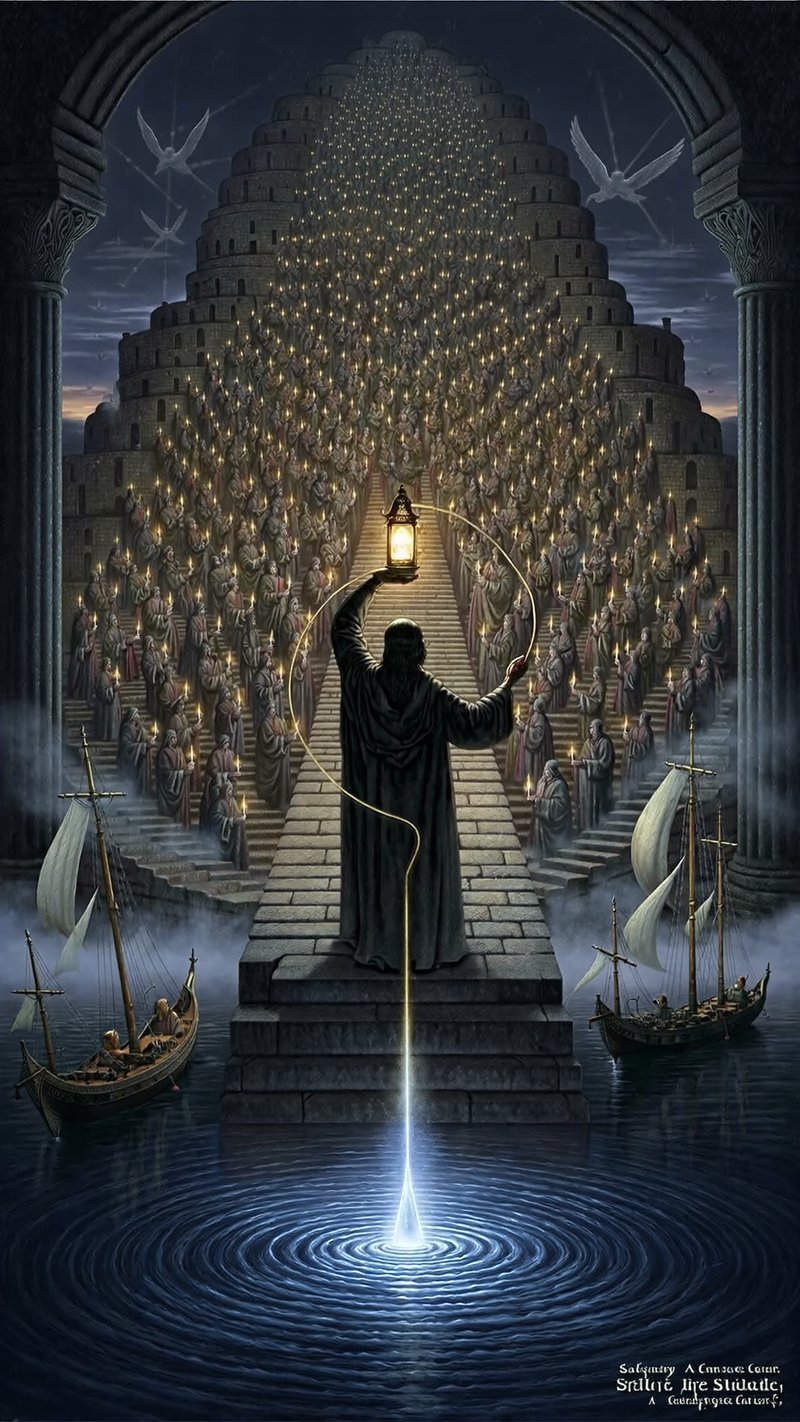
The Prophet
In brief
The Prophet, published in 1923 by Kahlil Gibran, is a book of prose poetry in which the departing prophet Almustafa answers the people of Orphalese on the matters of human life. Every province of ordinary life, from love and work to pain and death, belongs to one sacred whole, and the god-self within each person remains vast, free and undying.
Key ideas
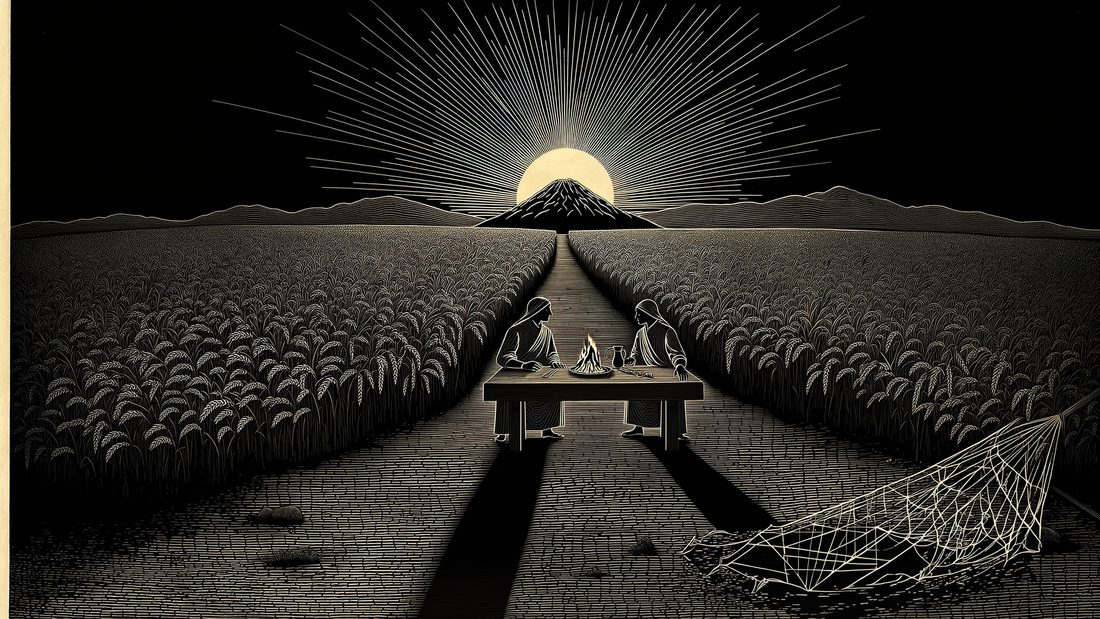
- Work is love made visible, and daily acts such as eating, drinking and trade are forms of worship.
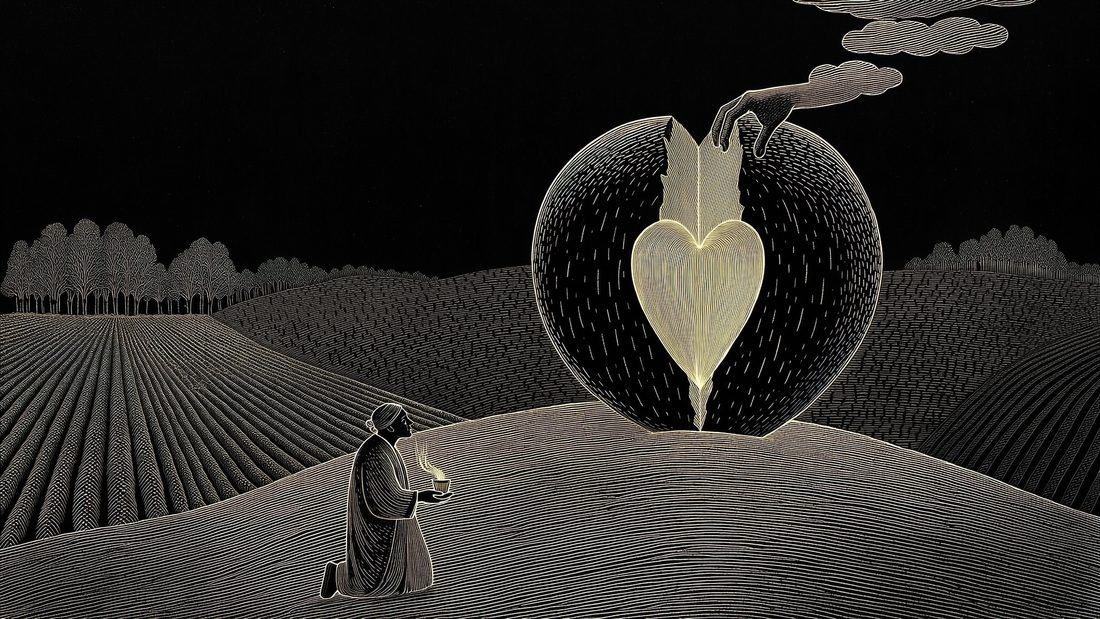
- Joy and sorrow rise from one source, and pain breaks the shell that encloses understanding.
- The god-self in each person stays undefiled, and evil has no life of its own.
- Love, marriage and parenthood flourish only where space and freedom are kept within them.
- Life and death are one, as the river and the sea are one.
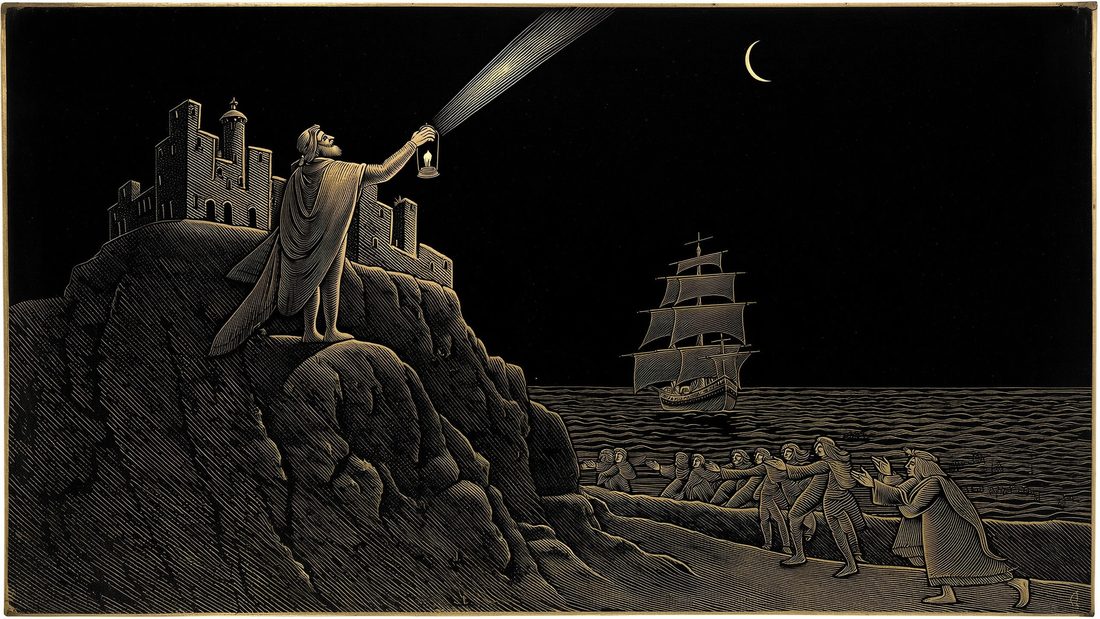
At the harbor, a teacher waits for the ship that will carry him home, and a city asks him to speak of love, work, pain and death before he goes. If your daily life feels like more than it seems, his answers meet you there, and his last promise outlasts the parting.
This Book Is: Kahlil Gibran · The Prophet · Mystical Poetry
Chapters
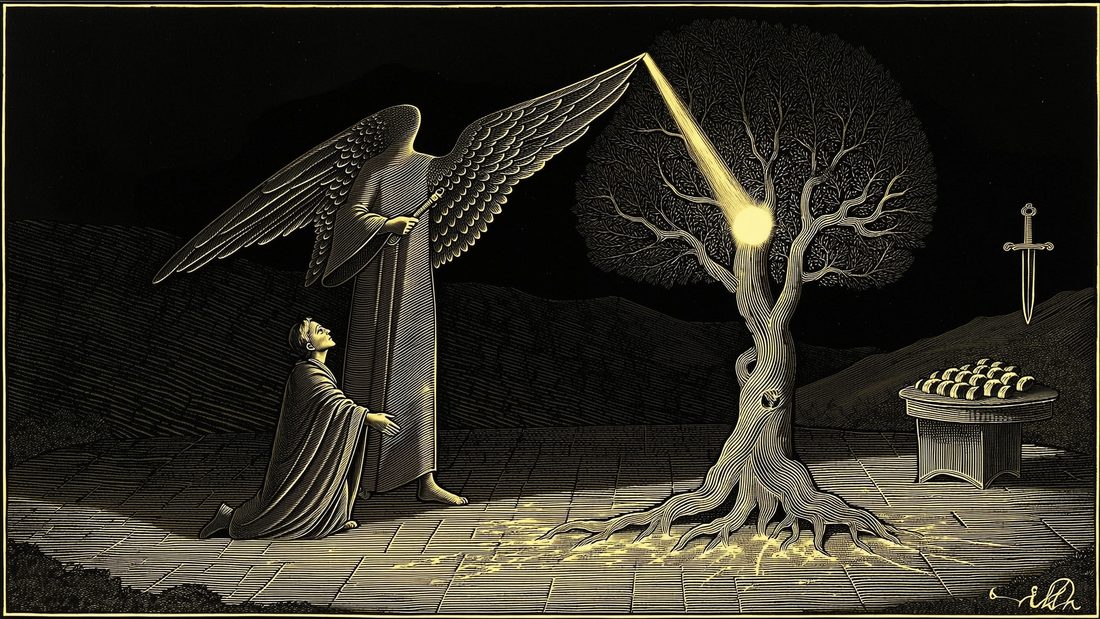
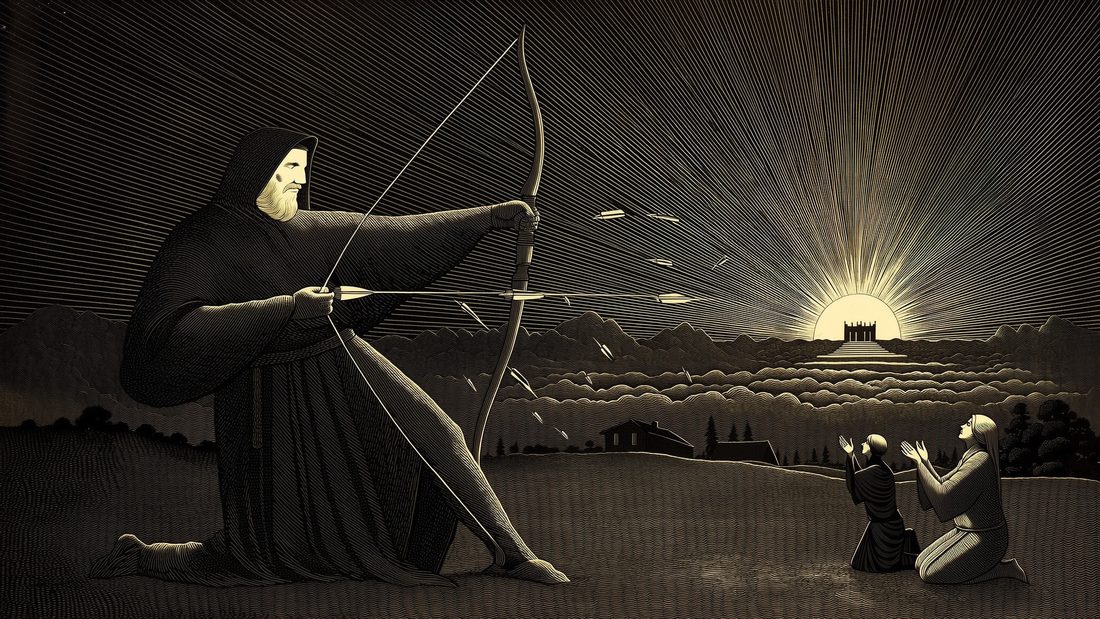
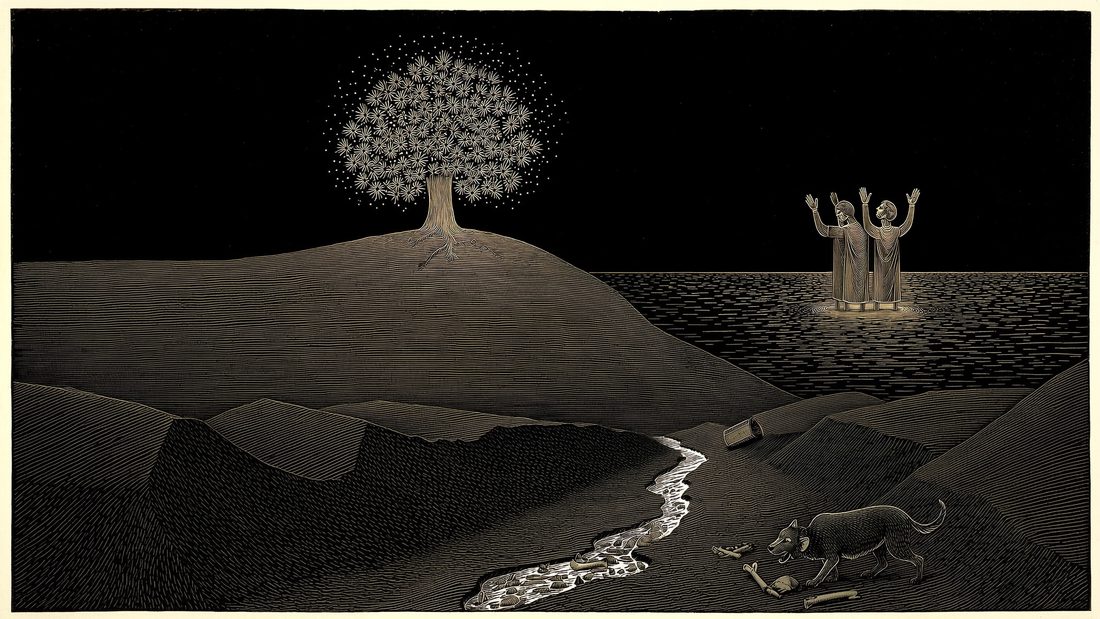
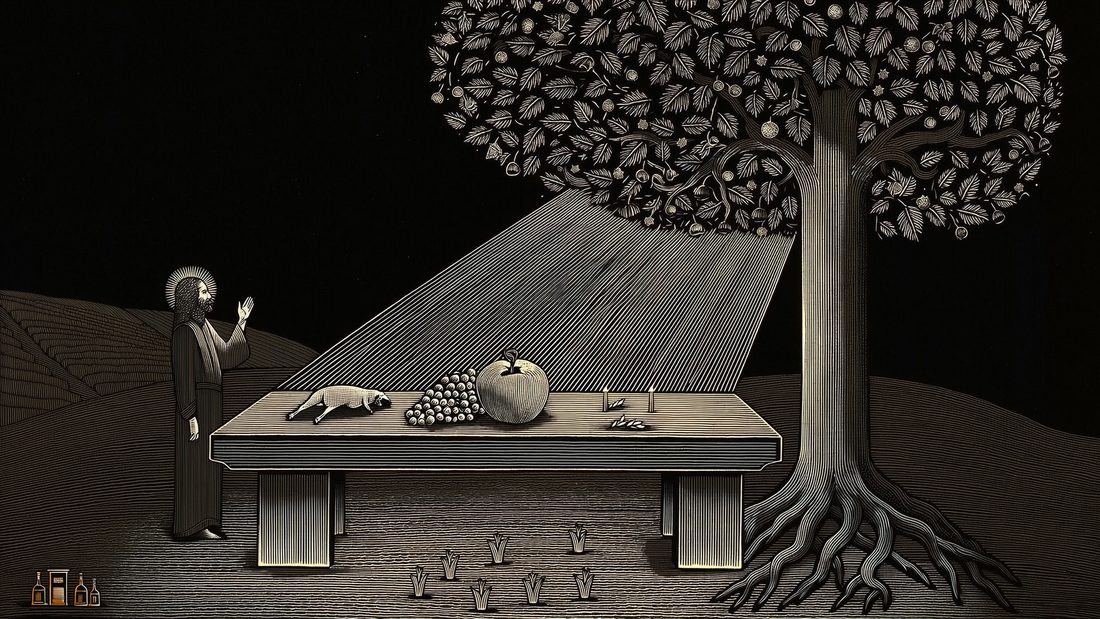
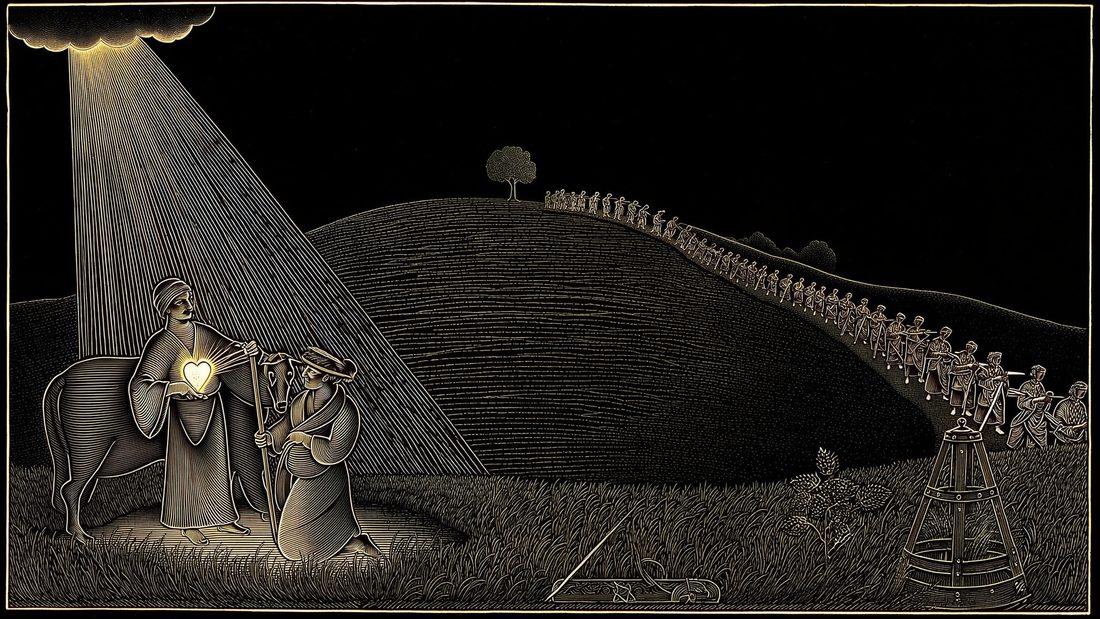
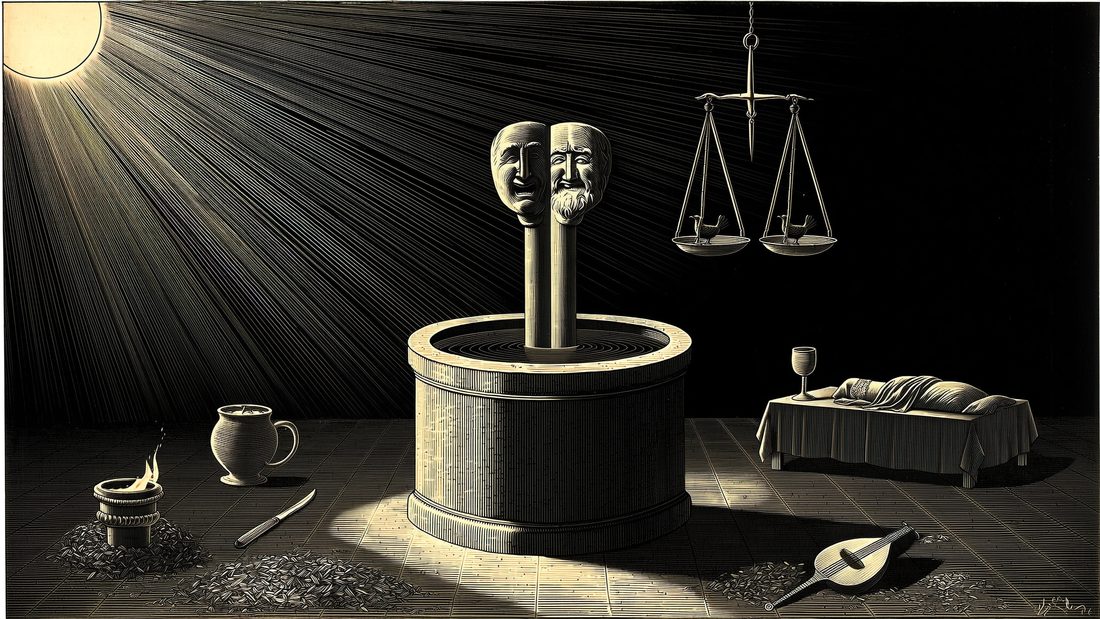
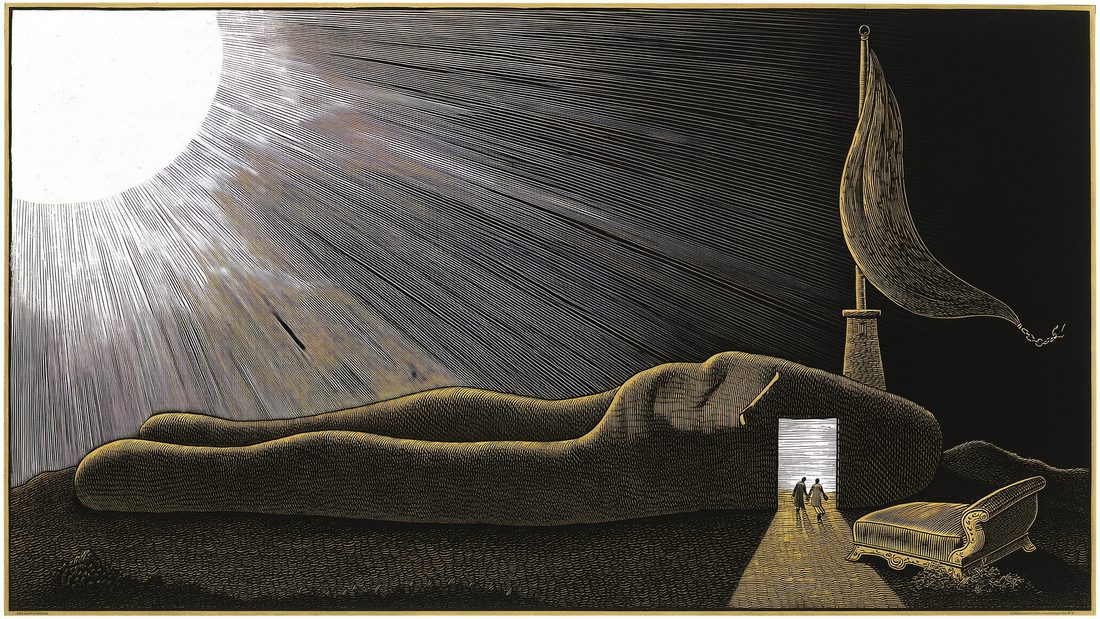
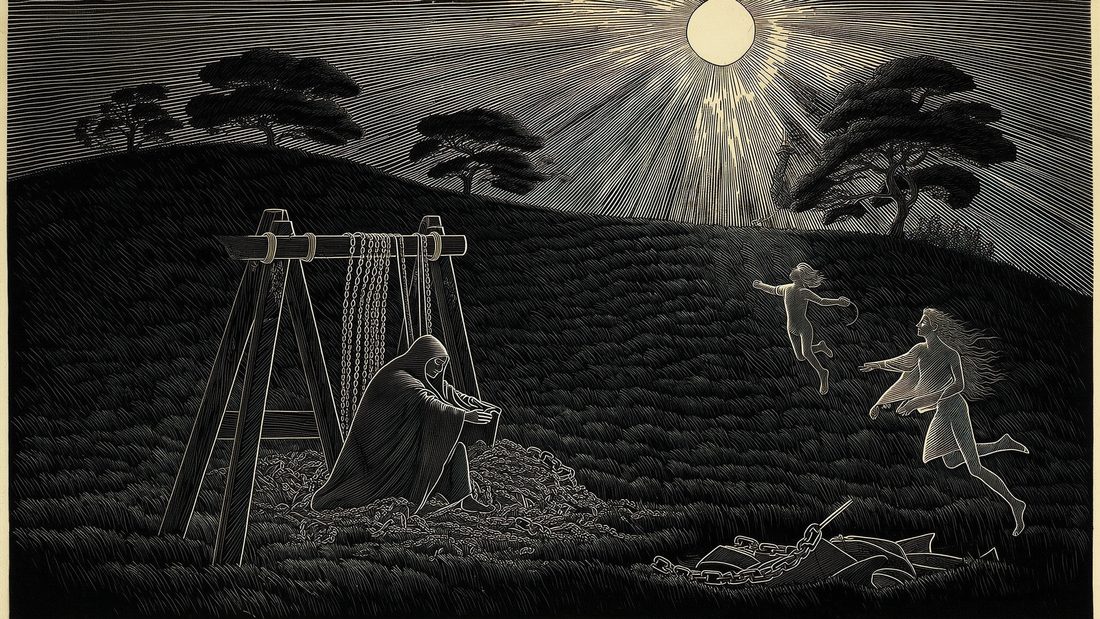
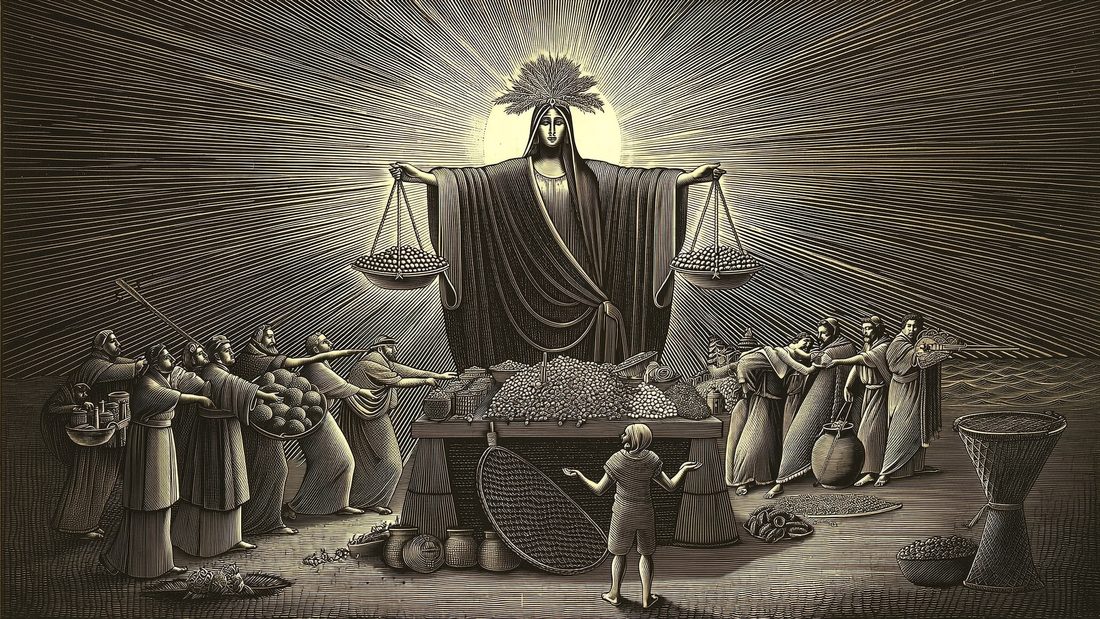
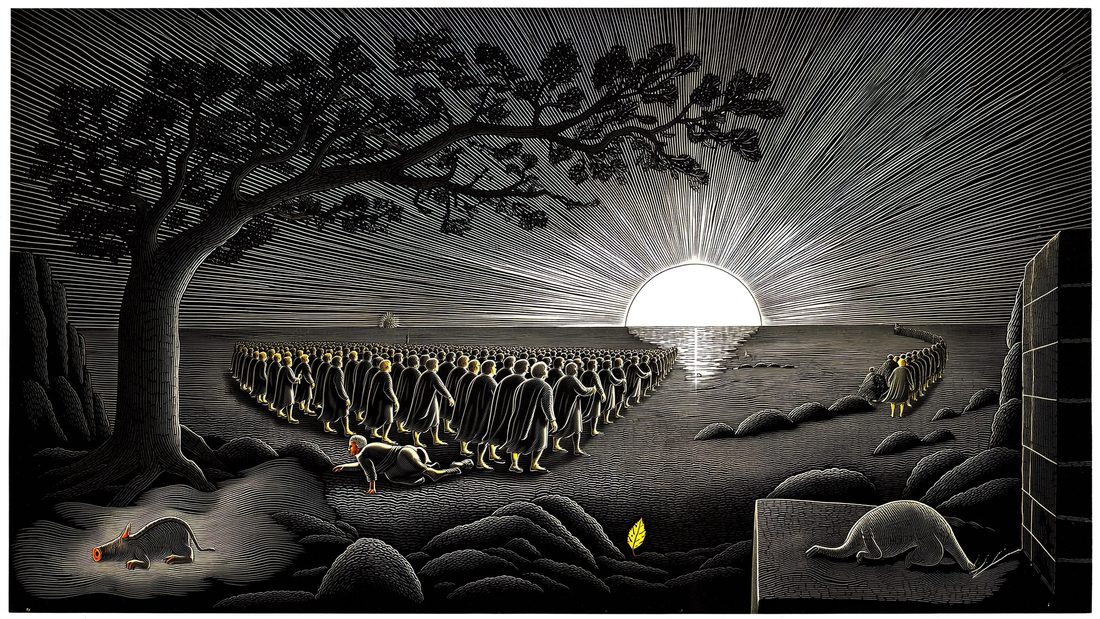
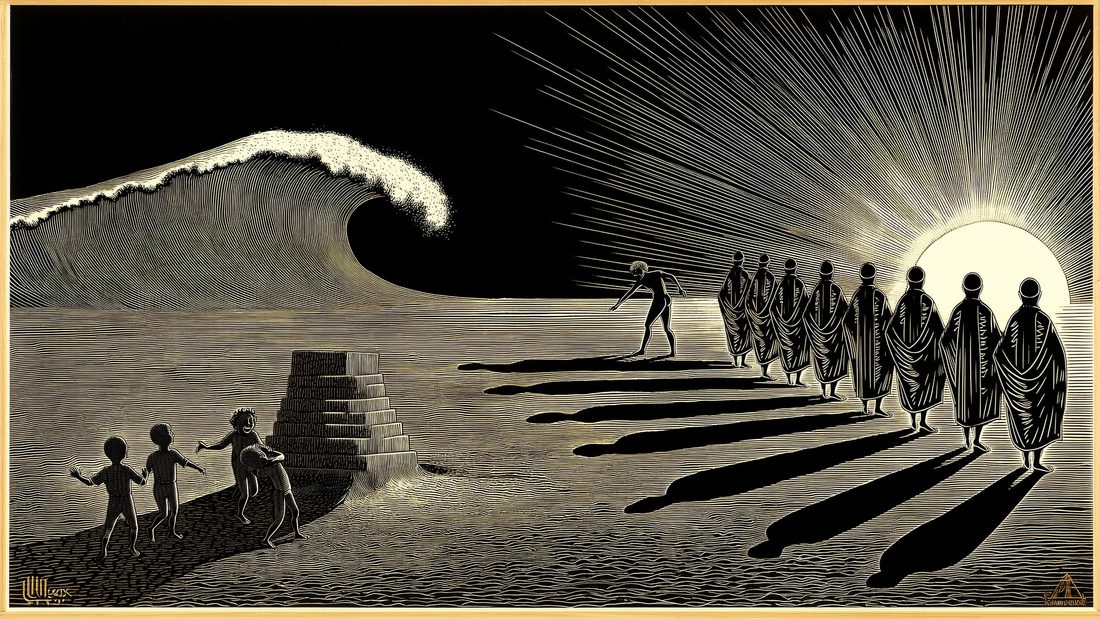
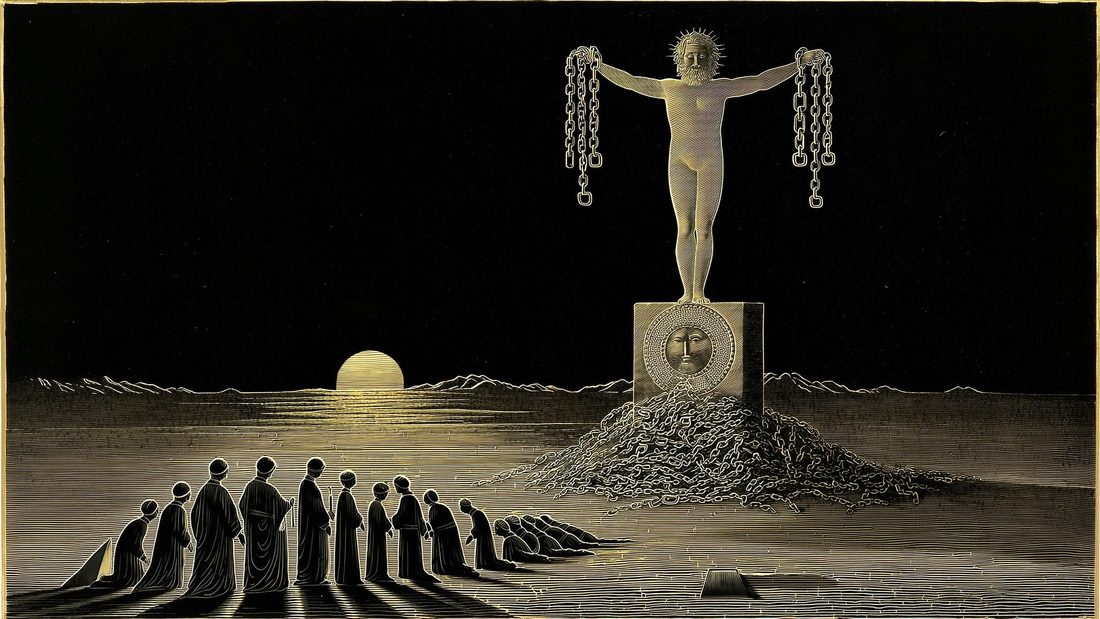
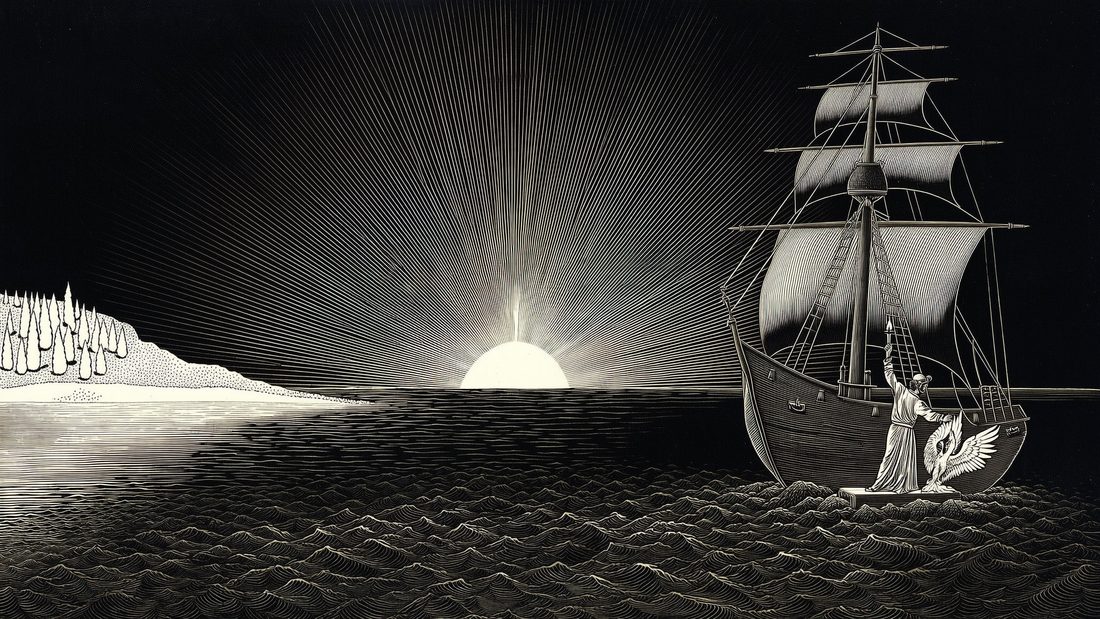
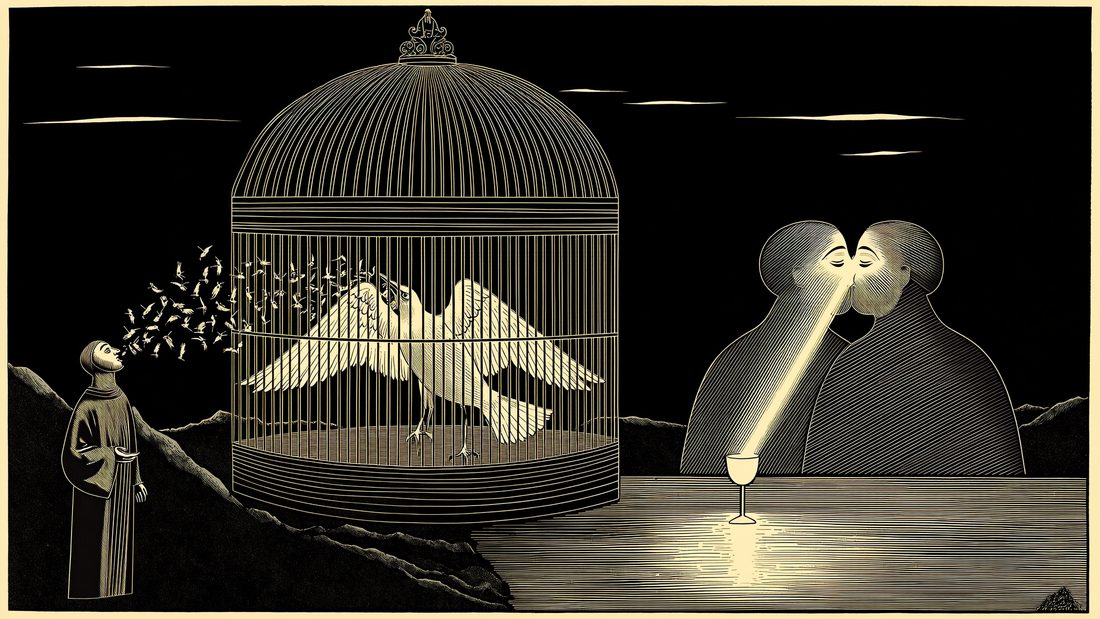
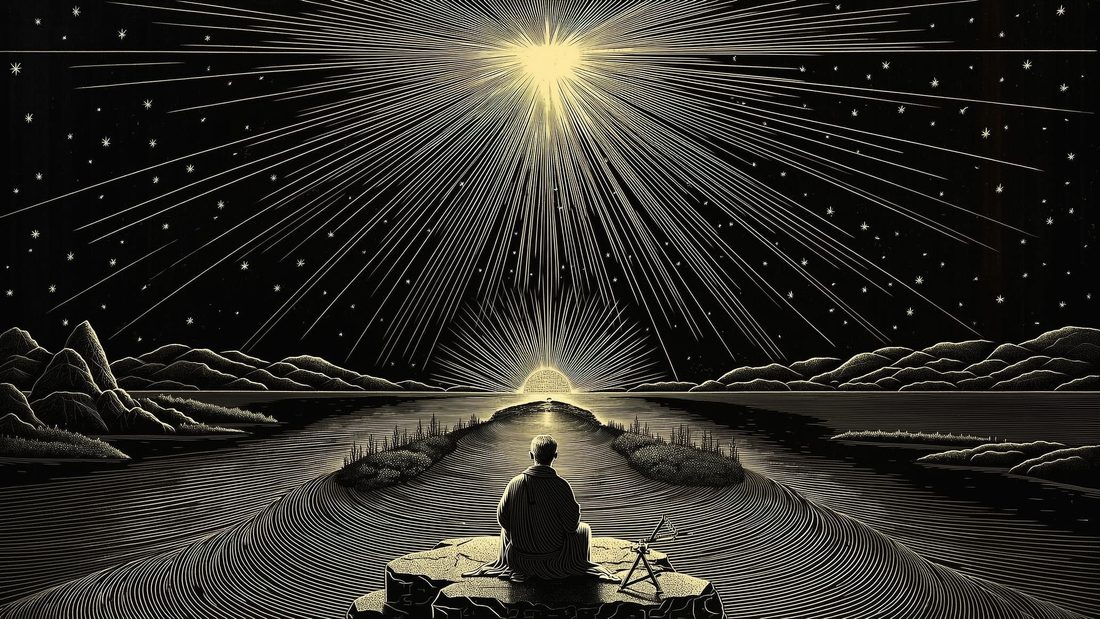
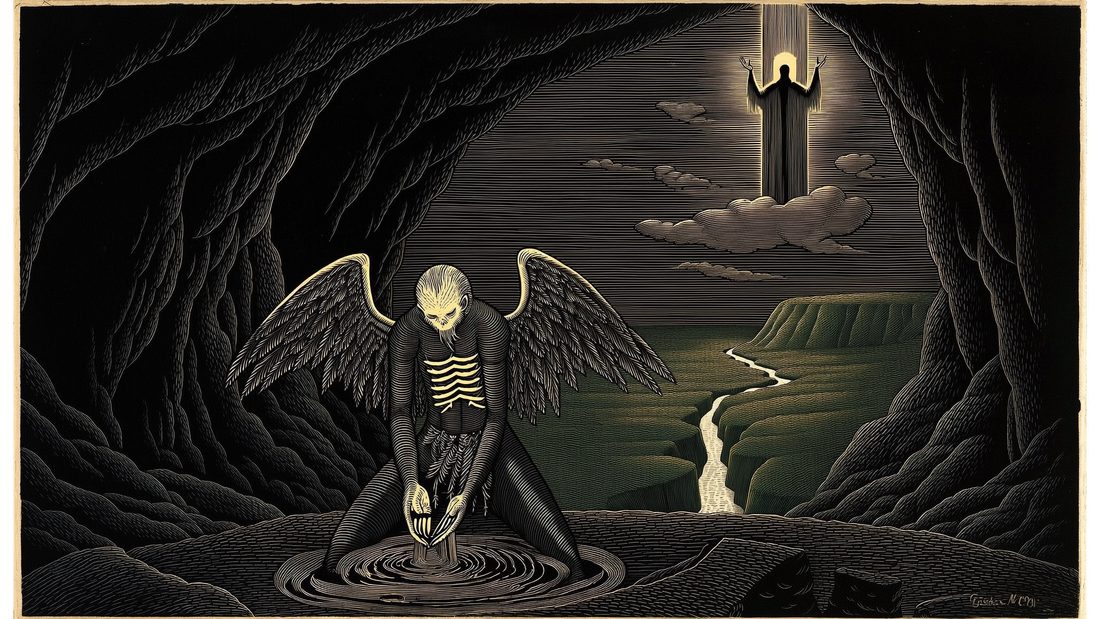
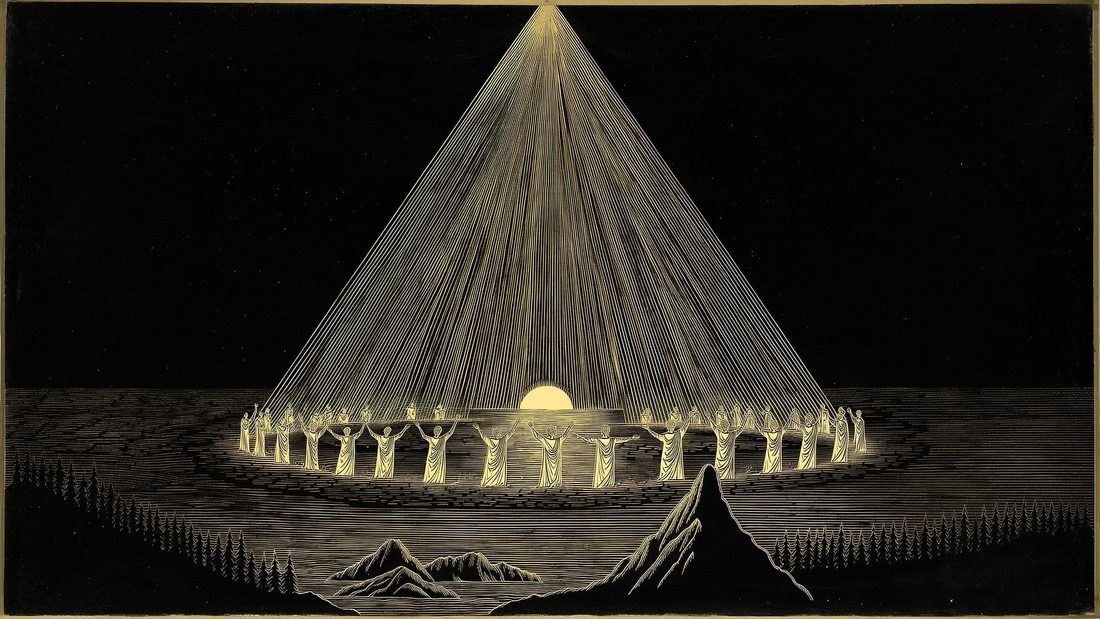
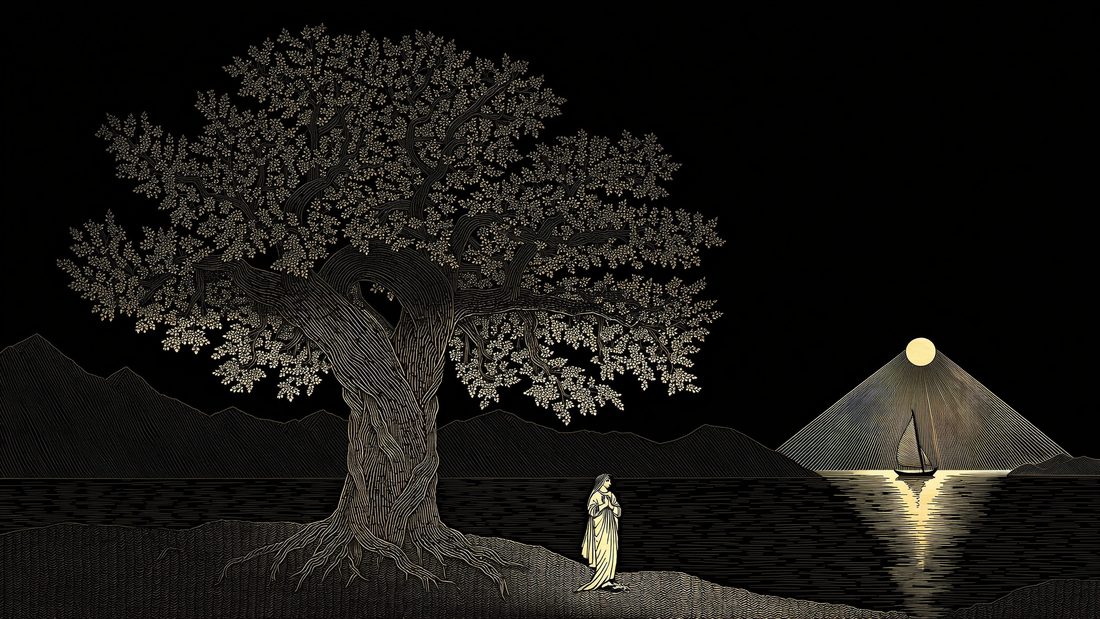
Work is love made visible.
About This Book
Every seeker reaches a harbour where a ship waits and something must be released before the voyage can begin. The Prophet stands at that harbour. It speaks to the one who asks how the soul is to live inside the ordinary hours of loving, labouring, grieving and parting, and how those hours might become a path rather than a distraction from one. Gibran answers in a voice that belongs less to a teacher than to the deeper self the reader already carries.
Love is the first initiator here, and it is no gentle guest. It crowns and it crucifies, it threshes and sifts and grinds the soul until it is made fit bread for God's sacred feast. Beneath the small, fearful self lives a god-self, a giant self, and beyond that a vast man in whom every person is a cell and a sinew. From this height the opposites that seem to divide a life are revealed as one movement: joy is sorrow unmasked, the shadow is the companion of the light, and death and life are as the river and the sea. Freedom, likewise, is no escape from outer chains. Every tyranny has its throne first within, and liberation comes when the soul rises above its own desires and fears.
Gibran holds that nothing in daily life stands outside the sacred. Work is love made visible. Eating is a communion in which one life gives itself to another. Giving and receiving are a single flow of life giving unto life, so that the giver has no cause for pride and the receiver no cause for debt. Marriage, friendship and parenthood are unions that preserve the solitude of each soul, as the pillars of a temple stand apart and yet hold up one roof. No one does wrong alone, for the whole tree is silent witness to the fall of a single leaf, and justice is seen truly only in the fullness of light. Pain is the breaking of the shell that encloses understanding, and sorrow carves the vessel that joy will one day fill.
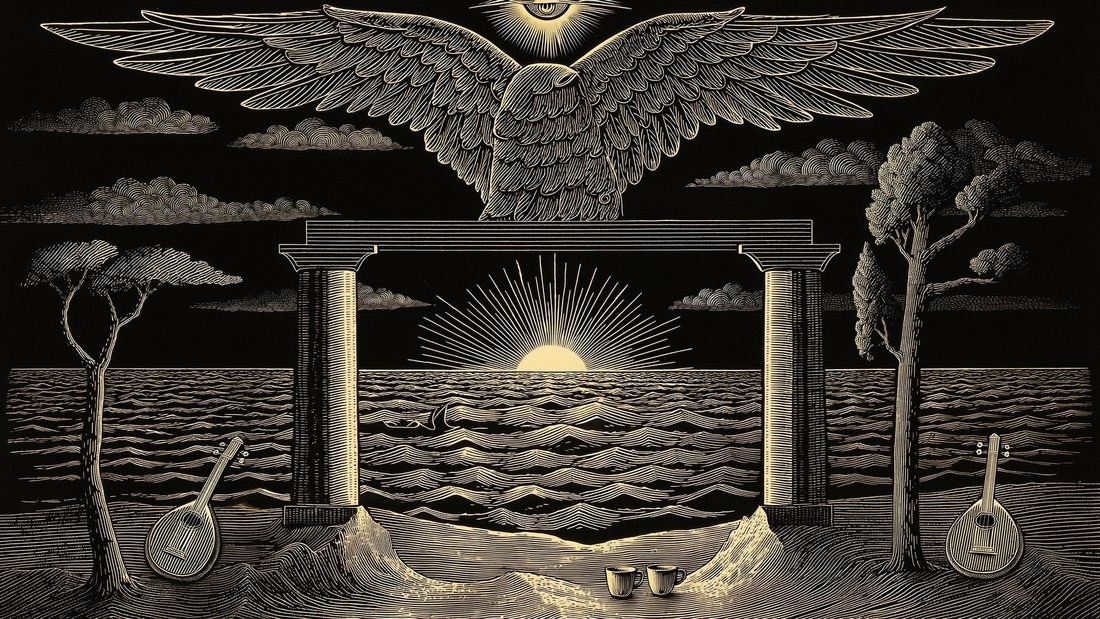
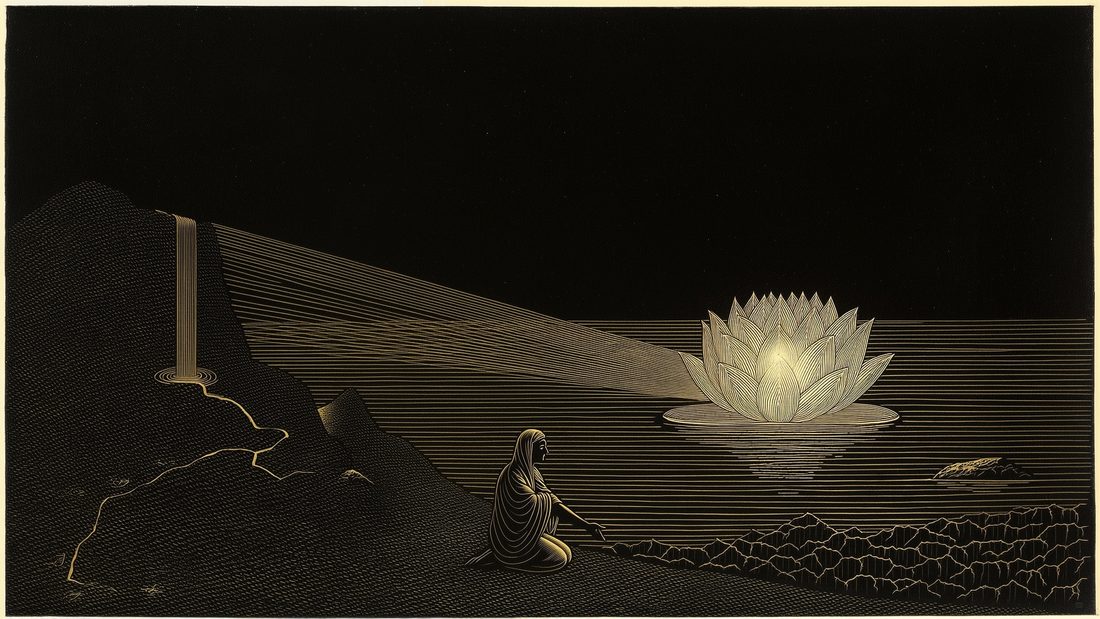
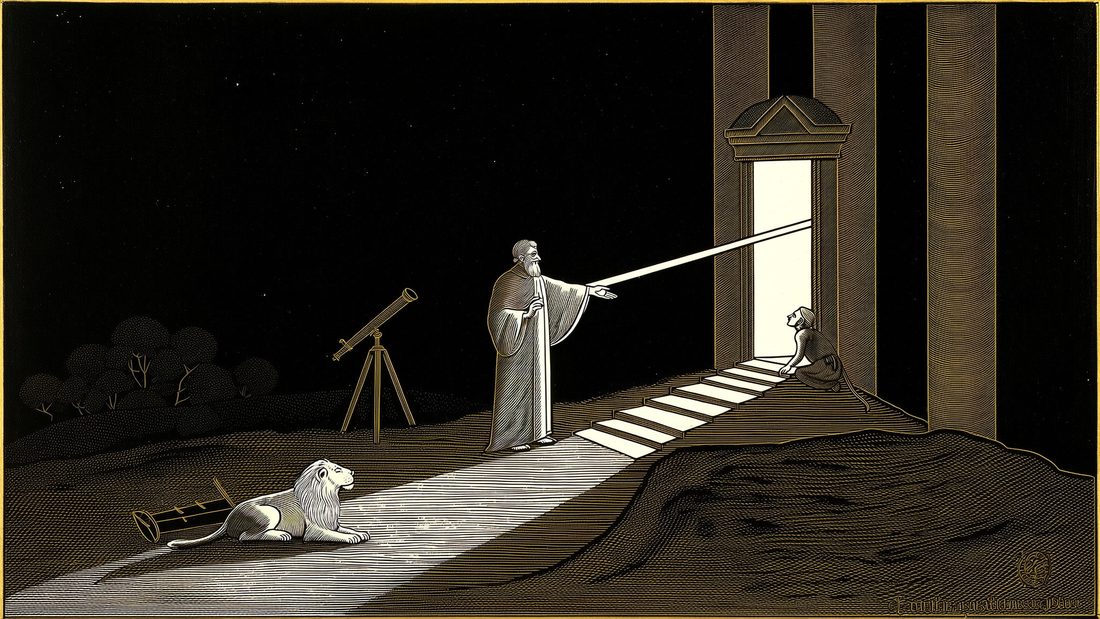
What the soul most needs to know cannot finally be told. Wisdom rests already in the dawn of each person's own knowing, and the truest teacher leads the student only to the threshold of their own mind. The soul is not enclosed in body, house or field; it unfolds like a lotus of countless petals. Death is a release into the wind, and the one who departs promises to return, born again of another woman, for a little while upon the wind.
More like this

In Tune with the Infinite
1897 · 4h read
You have looked outward for the cause of your troubles and the source of your strength. Trine holds that both were always within, and that one realization, lived rather than merely believed, reorders health, peace, power, and plenty. What that realization is, and how it is kept, he makes plain.
Mental Chemistry
1922 · 4h 20m read
You suspect your circumstances answer to something inside you, and Haanel agrees: conditions are chemistry, thought the reagent that fixes them. He hands you the equations. Whether you dare to run them on your own life is the part he leaves in your hands.
Your Invisible Power
1921 · 1h 31m read
You already hold a picture of the life you want, and it is shaping your days whether you tend it or not. Genevieve Behrend, the only personal pupil of Thomas Troward, teaches how that picture is drawn into form from Universal Substance, and names the single power able to hold it back.
About this edition
First published 1923.
Because of when it was first published, this text is in the public domain in the United States.
Presented as a reading edition by Better Thought. Typography, chapter titles and glossary links are ours. The words are the author's.
The Master Key Experience
The books teach the law.
The Experience trains it.
A 24-week guided journey through the laws of mind: weekly gates, lessons drawn from the texts in this library, and a living companion that remembers you.
Begin the ExperienceFree · Begin without an account