
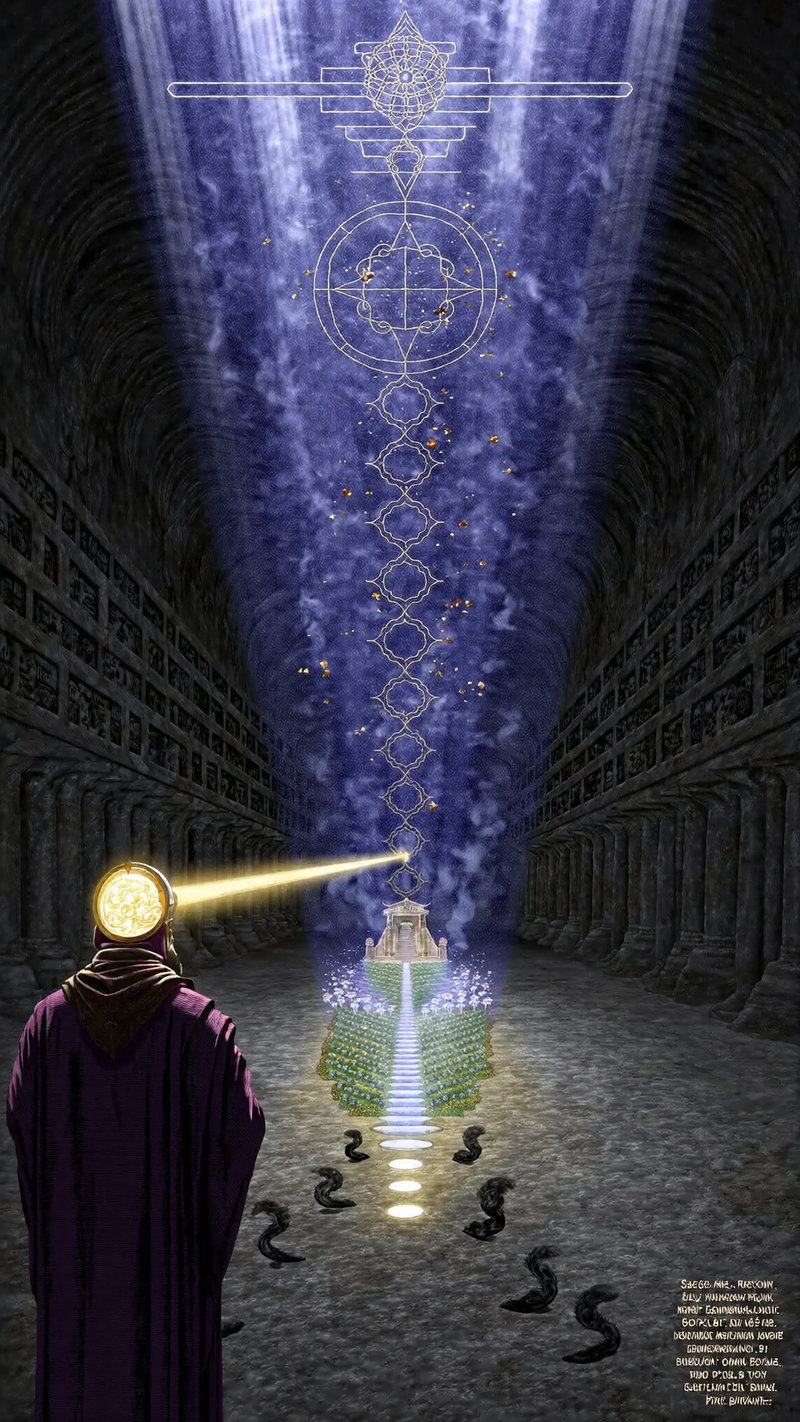
Your Invisible Power
In brief
Your Invisible Power (1921) by Genevieve Behrend is a practical New Thought manual on visualization and the creative use of mind, written by the only personal pupil of Thomas Troward. Each individual mind is a center of the Universal Mind, and a mental picture held with feeling and faith, as already received, is reflected into that Mind and returns in physical form.
Key ideas
- Visualization sets the mind in order, and an ordered mind attracts all that its picture requires
- Every individual mind is a branch of the Universal Mind and draws its supply from that source
- Matter is not illusion, and every physical thing begins as a sustained thought
- Every word carries a power germ that moves toward physical expression
- Answered prayer is the habitual affirmation of what is already received in thought
You already hold a picture of the life you want, and it is shaping your days whether you tend it or not. Genevieve Behrend, the only personal pupil of Thomas Troward, teaches how that picture is drawn into form from Universal Substance, and names the single power able to hold it back.
This Book Is: New Thought · Visualization · Mental Science
Chapters
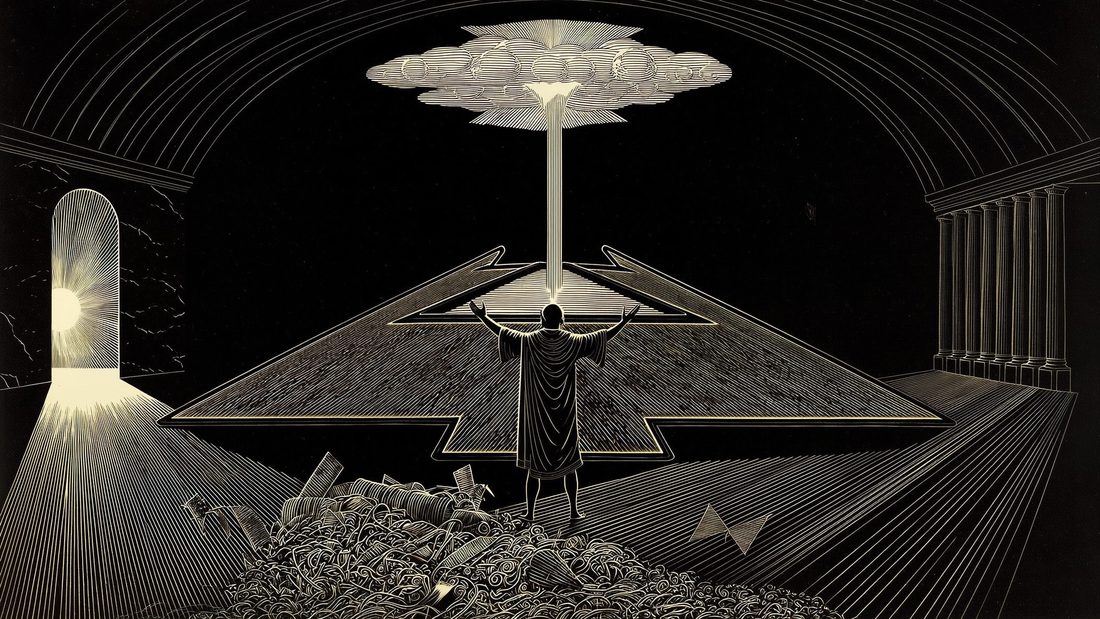
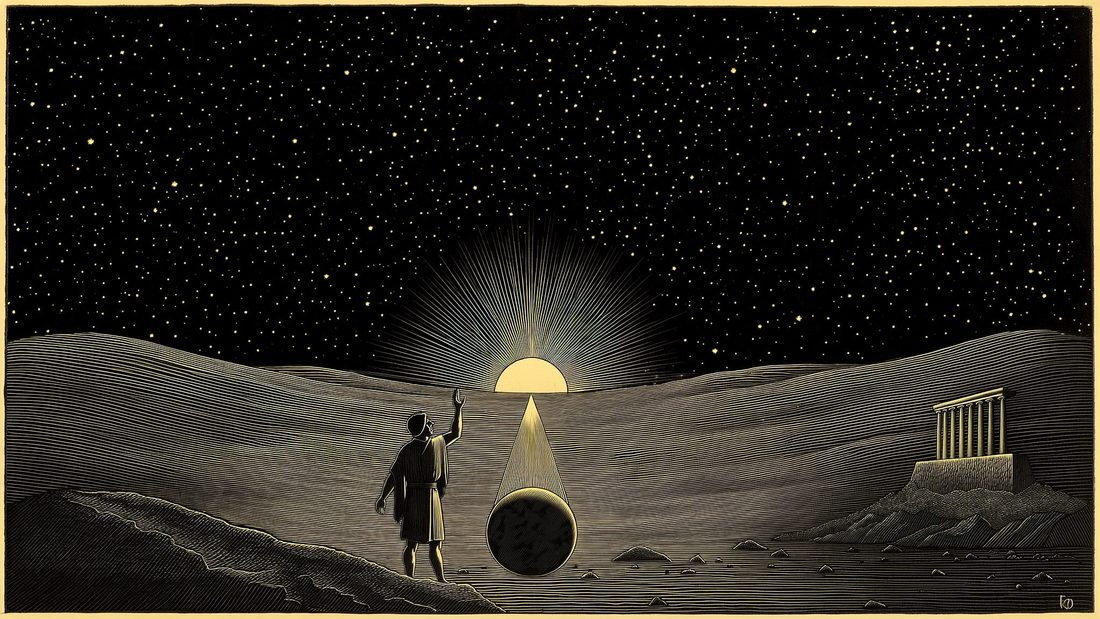
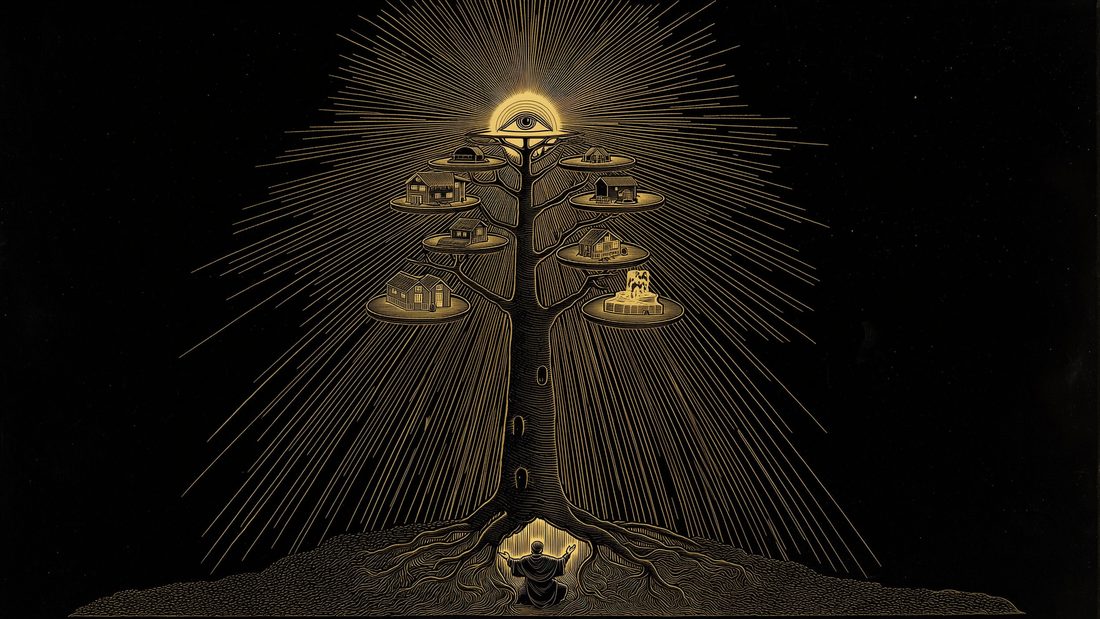
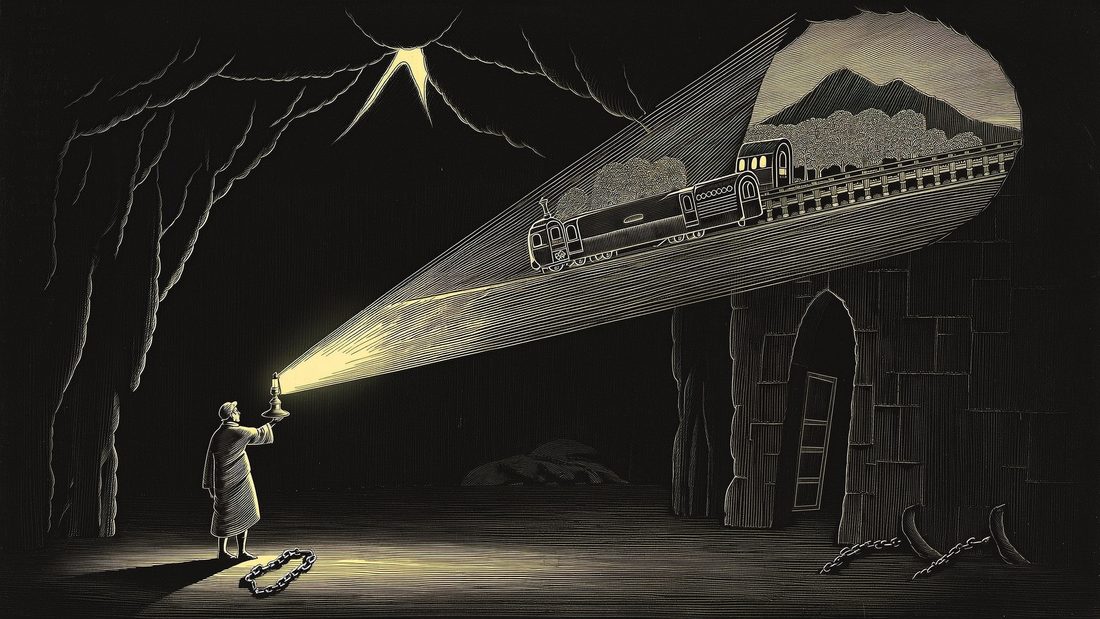
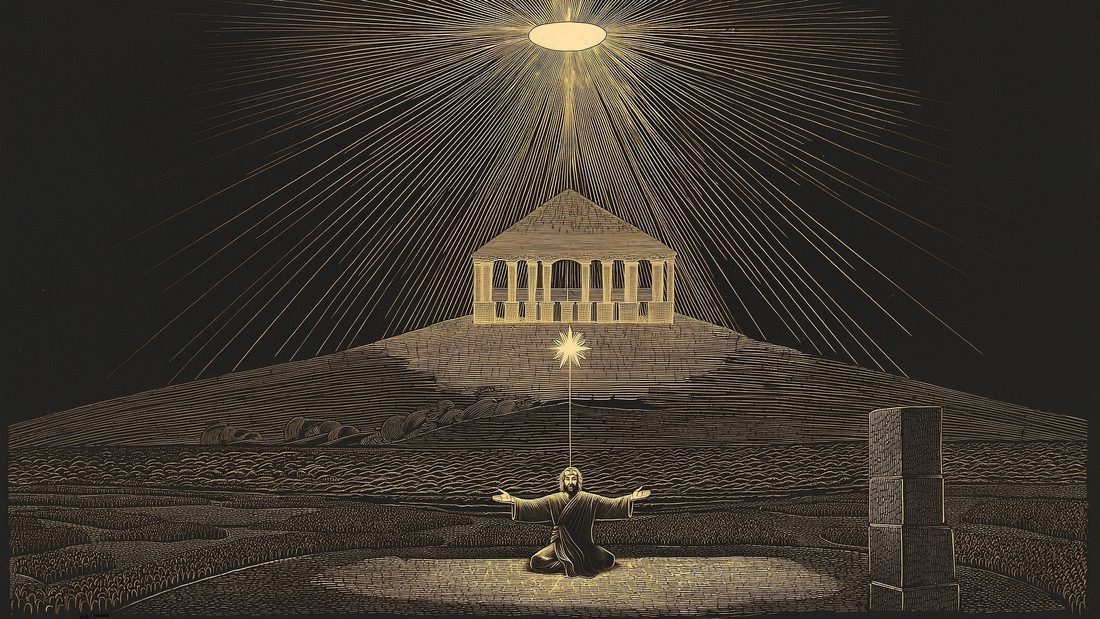
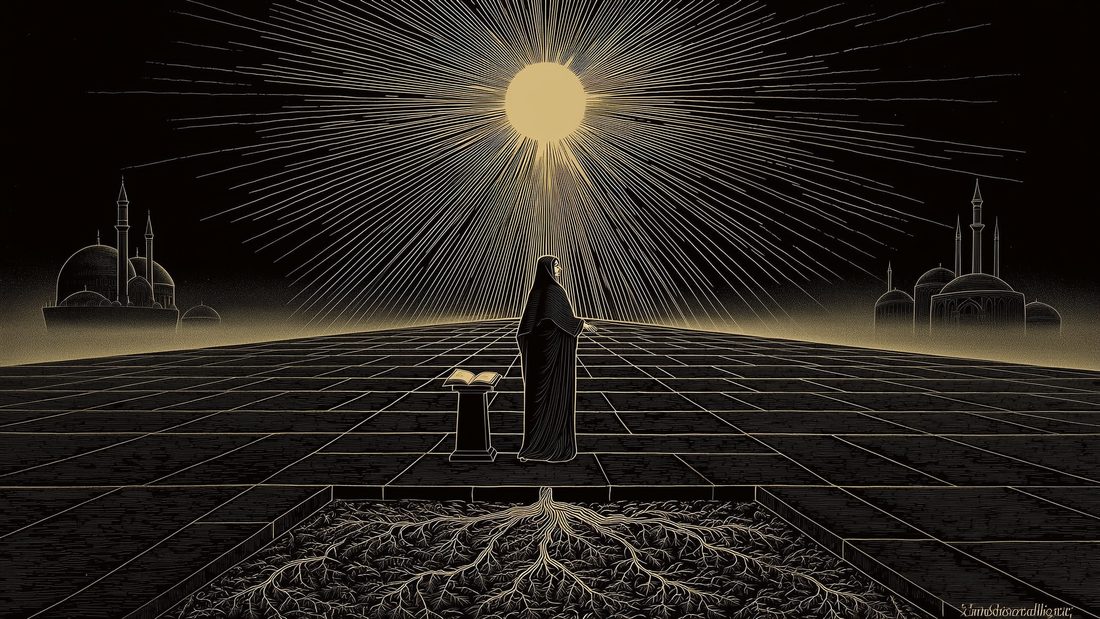
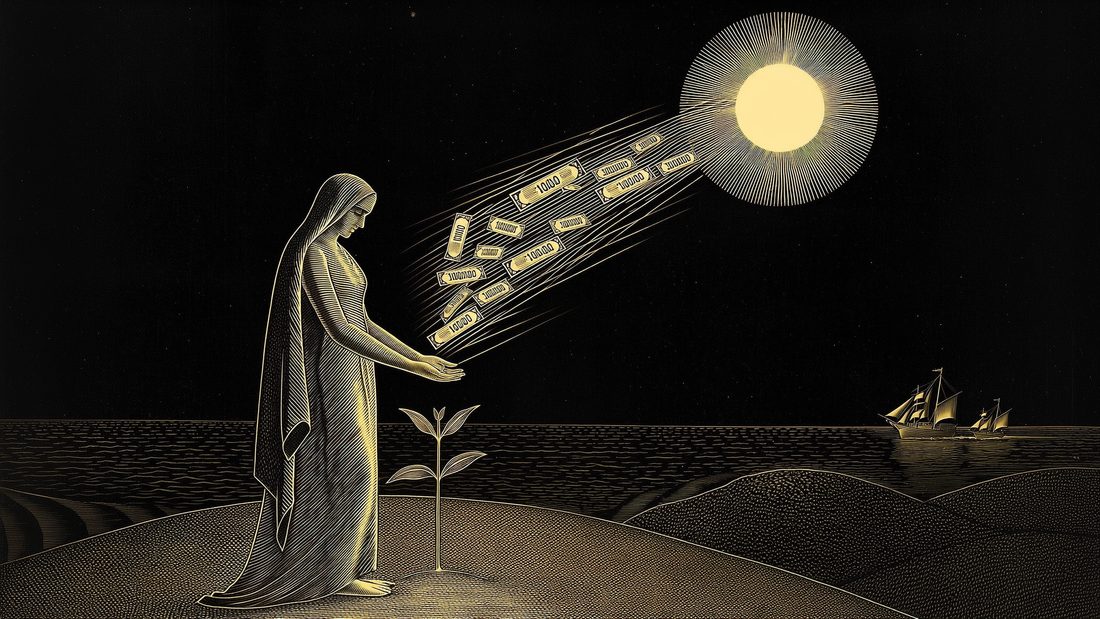
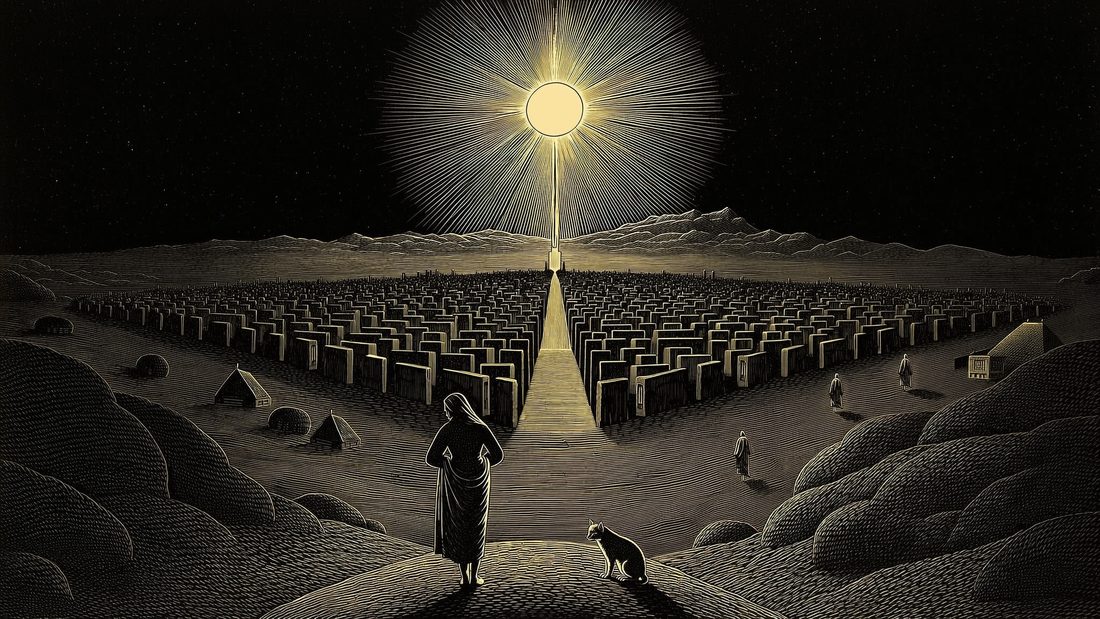
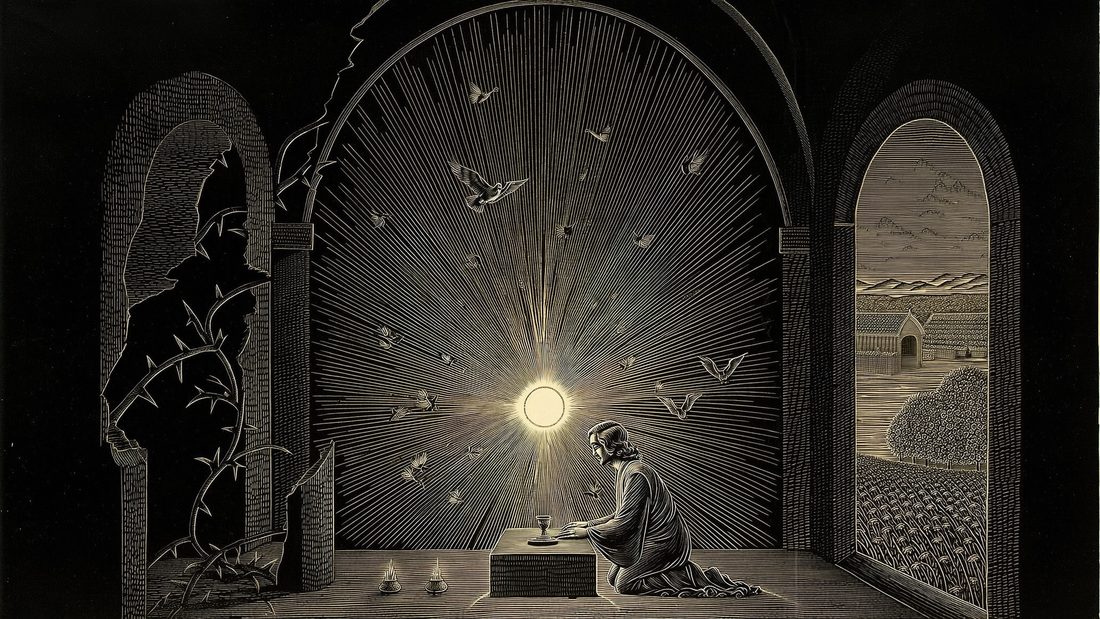
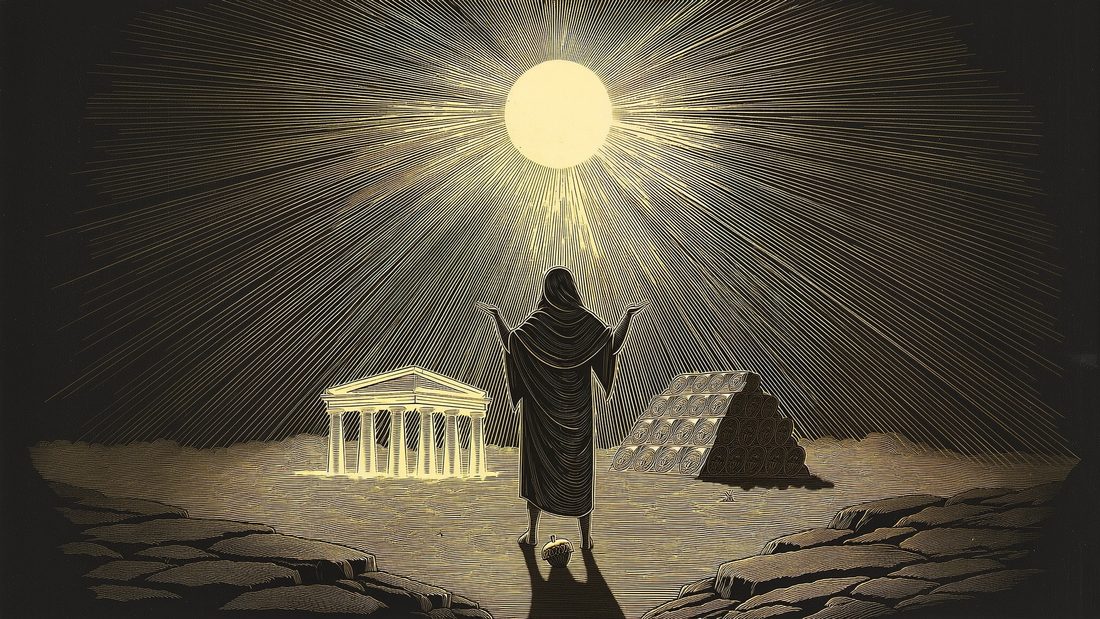
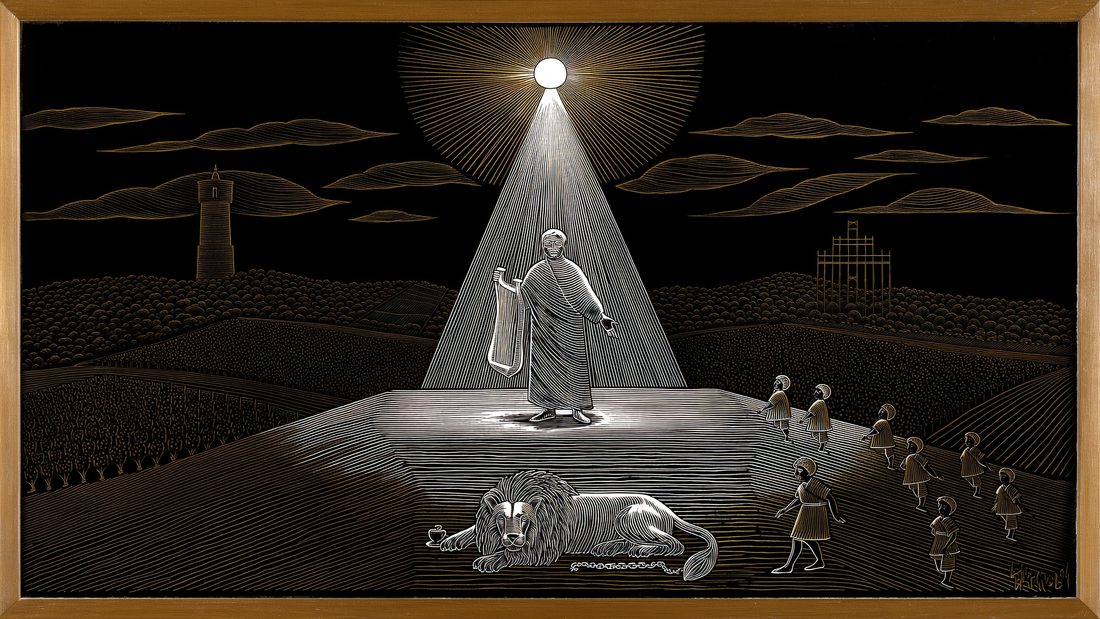
Everything has its origin in the mind, and that which you seek outwardly, you already possess.
About This Book
Anyone who has wanted something deeply has stood at the same threshold: is desire only a longing, or is it the first stirring of a creative power already at work within? Your Invisible Power answers from the far side of that door. Visualization here is no daydream. It is the conscious, orderly use of the creative power of mind. The individual mind is a center of Divine operation, a point through which the one Life expresses itself in particular form. Undifferentiated Universal Substance, everywhere present and responsive, takes shape in the moulds of thought, and the picture held clearly in mind becomes the pattern by which Spirit enters the visible.
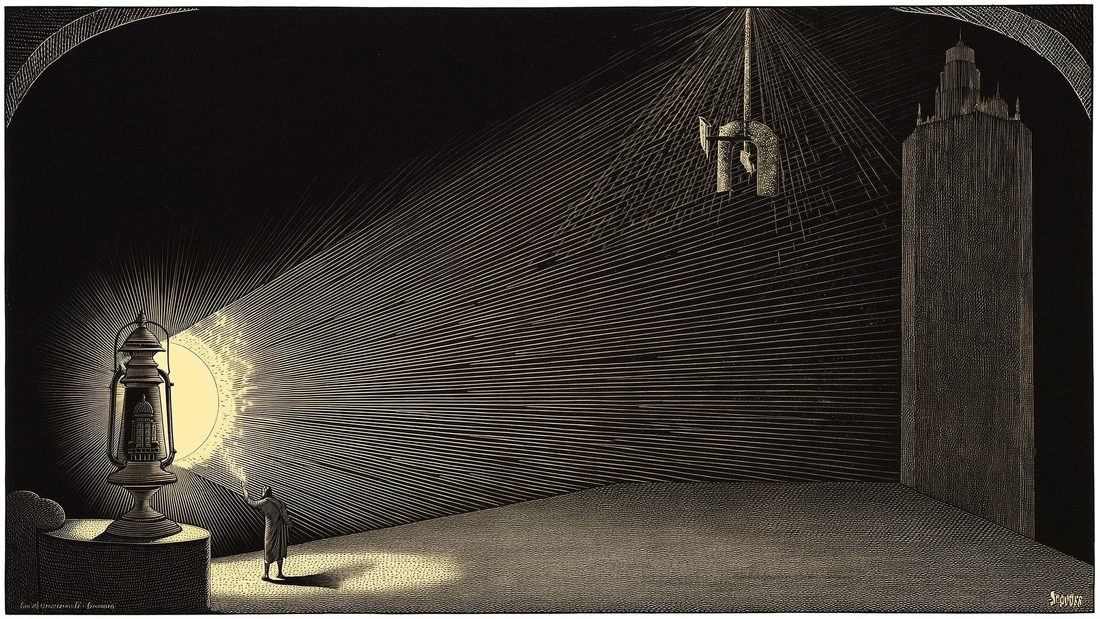
Behrend holds Spirit and matter as polar complements, never enemies. Matter is the channel through which Spirit differentiates itself, and so the physical plane is honored, not fled. The will is the steady light that projects the mental picture outward, as a lantern throws an image onto a screen. It does not force; it holds. Faith is the vitalizing quality of the creative word, and fear is its counterfeit, giving form to what it dreads. Supply is eternally present and never failing, and so the student learns to hold the picture without strain or anxiety, and without dictating the channels through which it must arrive.
Here the teaching turns practical. Faith is joined with works: each lead that appears on the physical plane is followed step by step, as the next visible sign of an invisible process already complete. Prayer becomes scientific, an affirmation of what is already possessed in thought rather than a petition to a distant power. Beneath every particular desire Behrend uncovers the true aim, which is inner contentment and self-mastery, and beneath that lies the birthright she names plainly: Divine sonship, dominion, and the joy of living.
Behrend writes as the personal pupil of Thomas Troward, and his principles run through every page, made warm and usable by one who tested them in her own life. She sets the Christ teaching above occult study, turning the reader away from curiosity about hidden powers and toward the simpler and deeper discipline of living as an expression of the One Mind. The book is brief, but it is a door, and whoever passes through it finds that the power was never invisible to the one who uses it.
More like this

In Tune with the Infinite
1897 · 4h read
You have looked outward for the cause of your troubles and the source of your strength. Trine holds that both were always within, and that one realization, lived rather than merely believed, reorders health, peace, power, and plenty. What that realization is, and how it is kept, he makes plain.

Mental Chemistry
1922 · 4h 20m read
You suspect your circumstances answer to something inside you, and Haanel agrees: conditions are chemistry, thought the reagent that fixes them. He hands you the equations. Whether you dare to run them on your own life is the part he leaves in your hands.

The Power of Concentration
1916 · 3h 12m read
Your attention scatters across a hundred small demands, and with it goes the force that could carry you wherever you choose. Concentration is that force, and it answers to the will. What Dumont asks of you first, before any exercise, is simpler and harder than it sounds.
About this edition
First published 1921.
Because of when it was first published, this text is in the public domain in the United States.
Presented as a reading edition by Better Thought. Typography, chapter titles and glossary links are ours. The words are the author's.
The Master Key Experience
The books teach the law.
The Experience trains it.
A 24-week guided journey through the laws of mind: weekly gates, lessons drawn from the texts in this library, and a living companion that remembers you.
Begin the ExperienceFree · Begin without an account