

Mental Chemistry
You suspect your circumstances answer to something inside you, and Haanel agrees: conditions are chemistry, thought the reagent that fixes them. He hands you the equations. Whether you dare to run them on your own life is the part he leaves in your hands.
This Book Is: New Thought · Mental Science · Hermetic Philosophy
Chapters




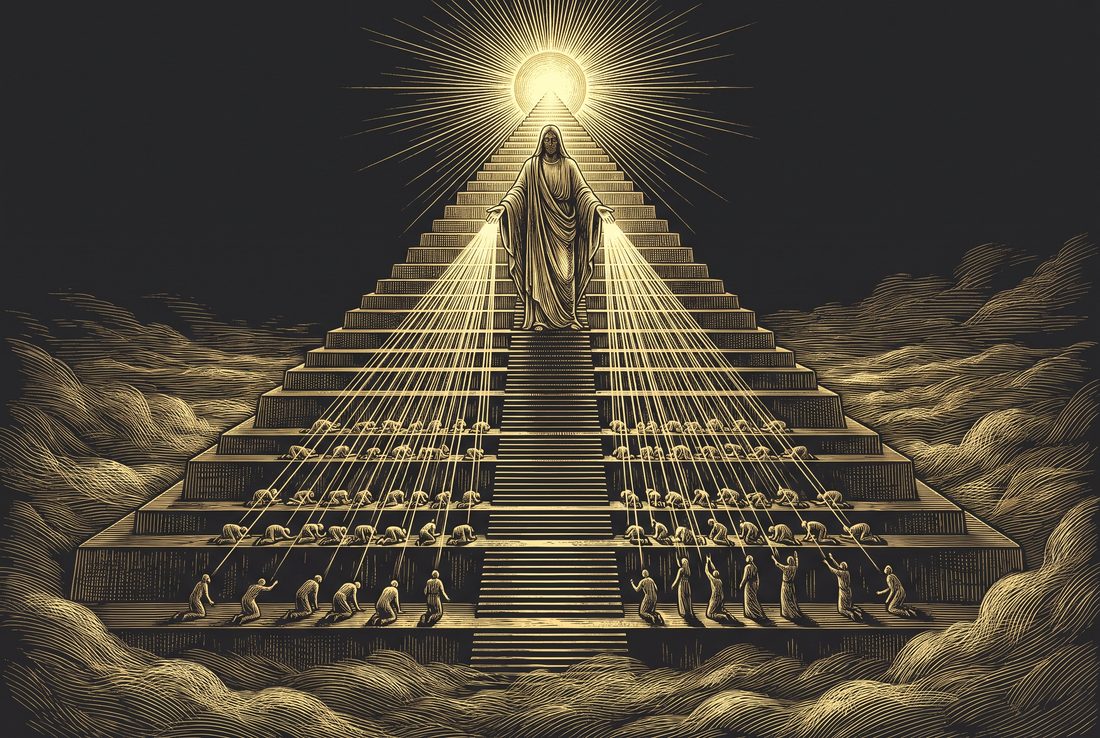
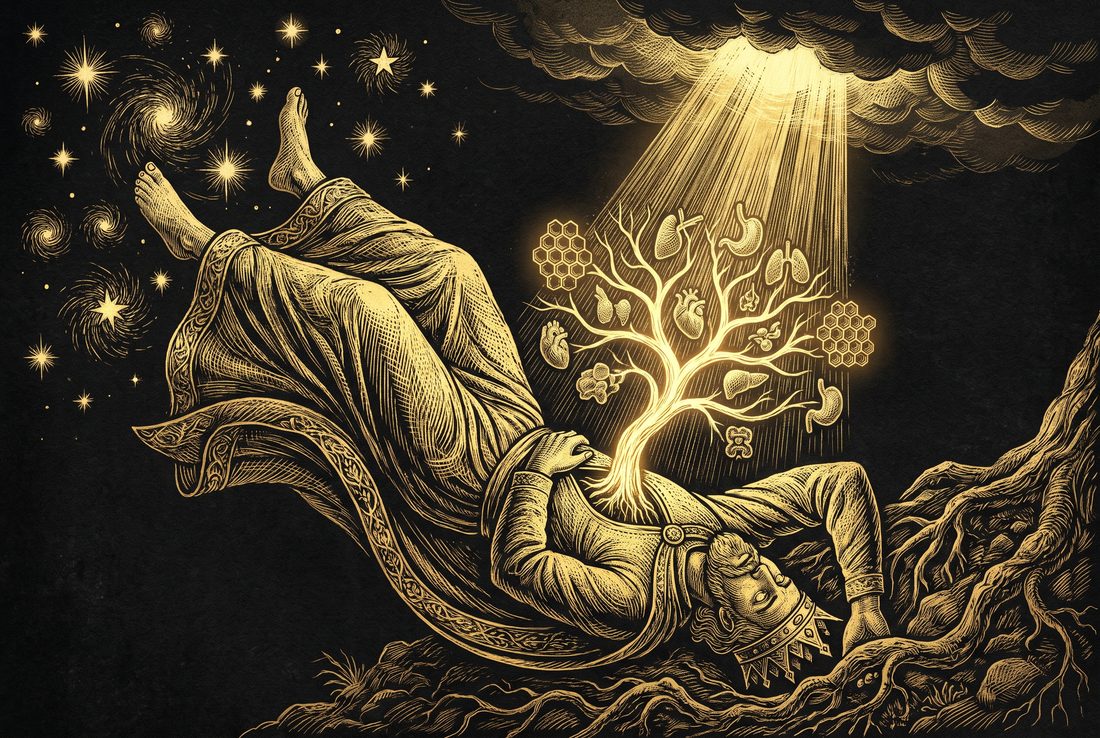

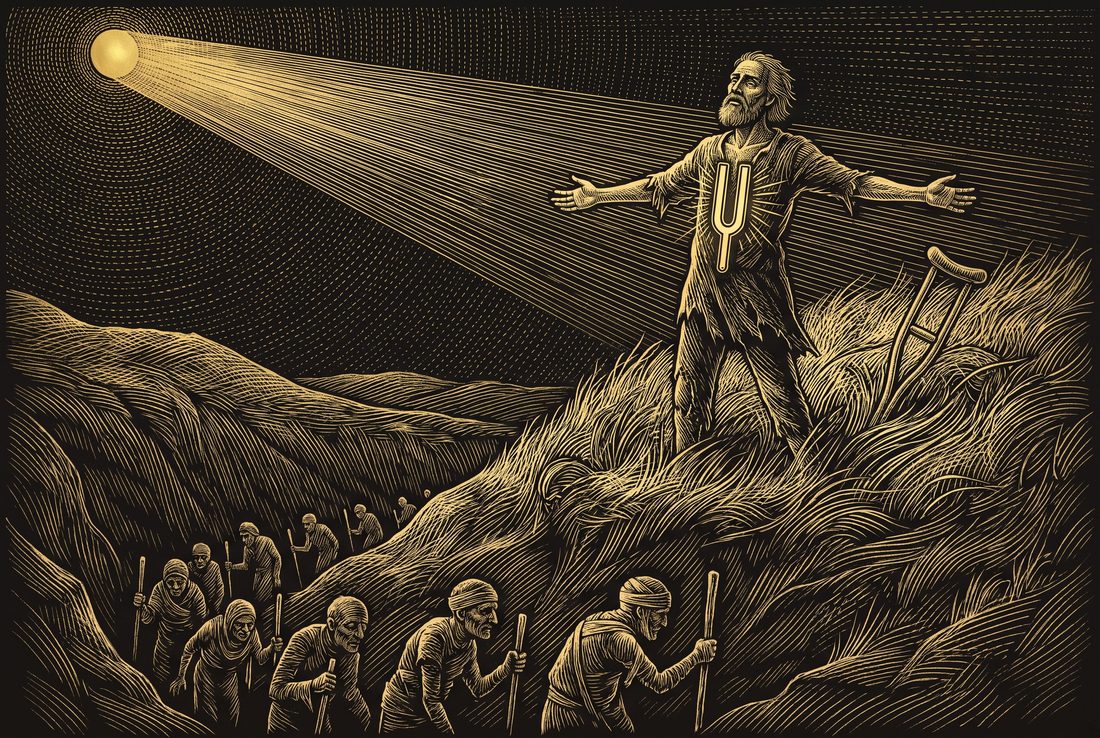

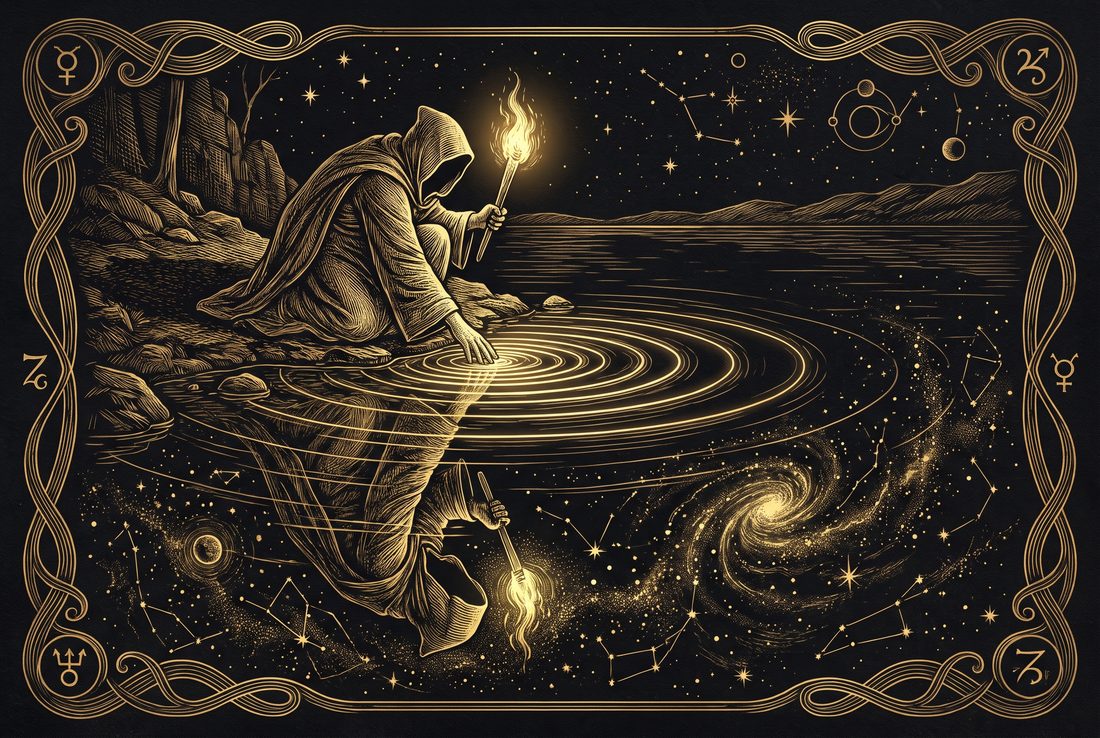
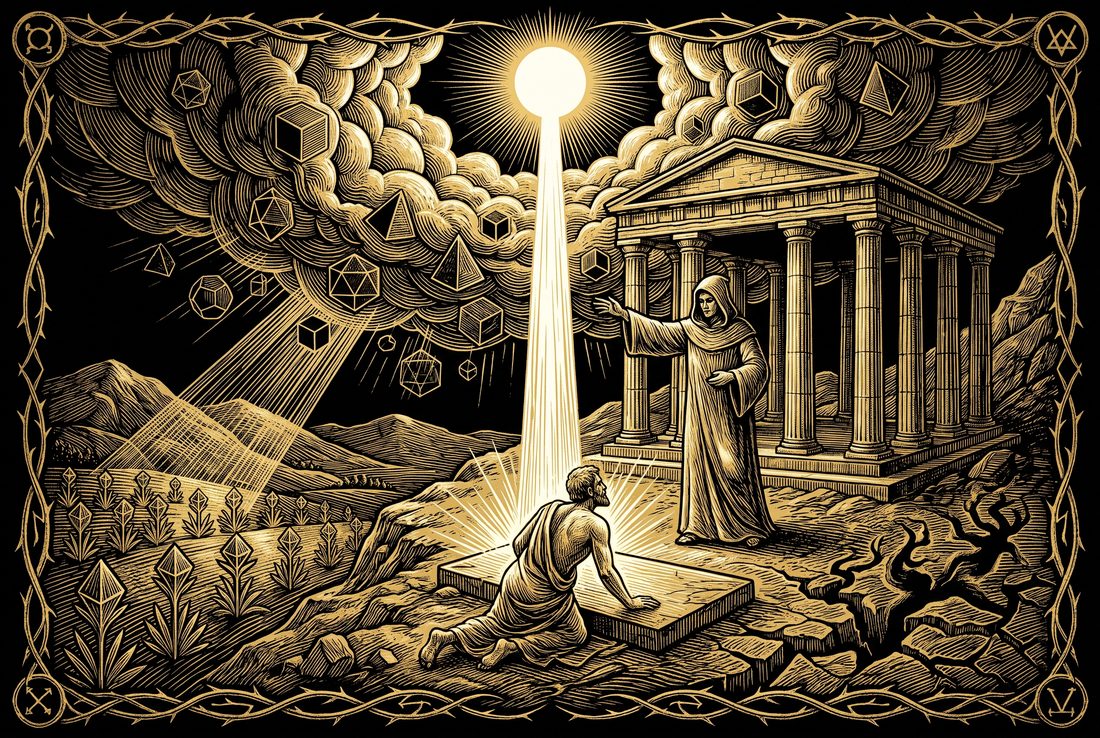
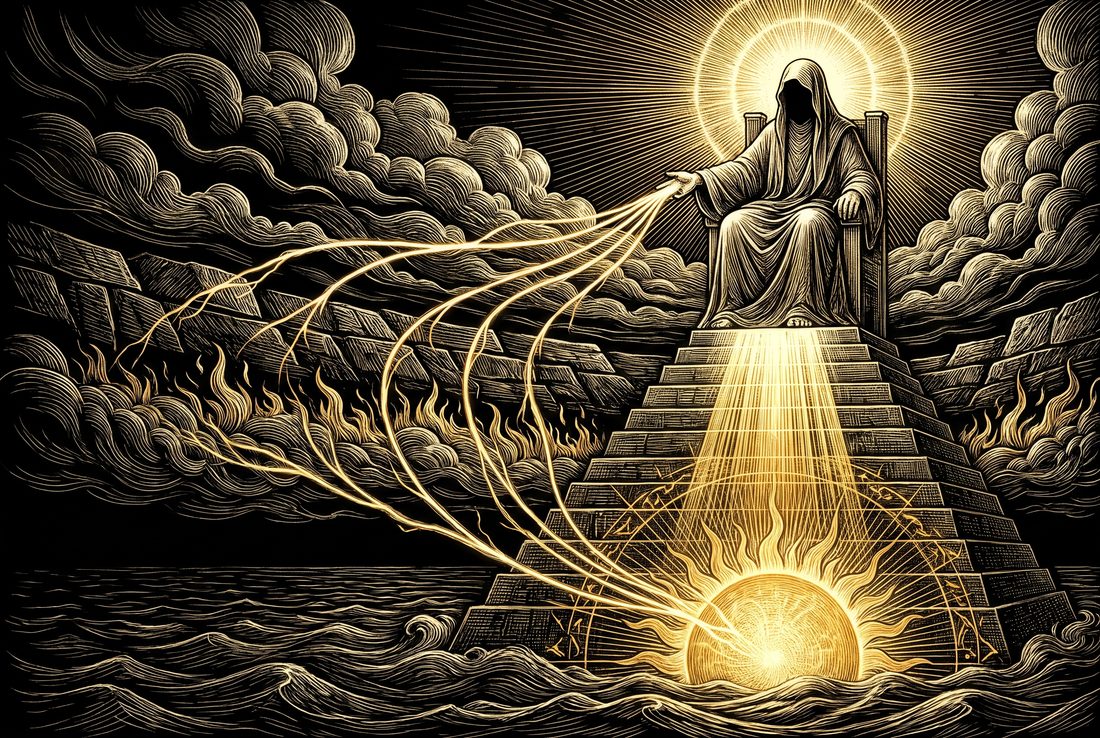
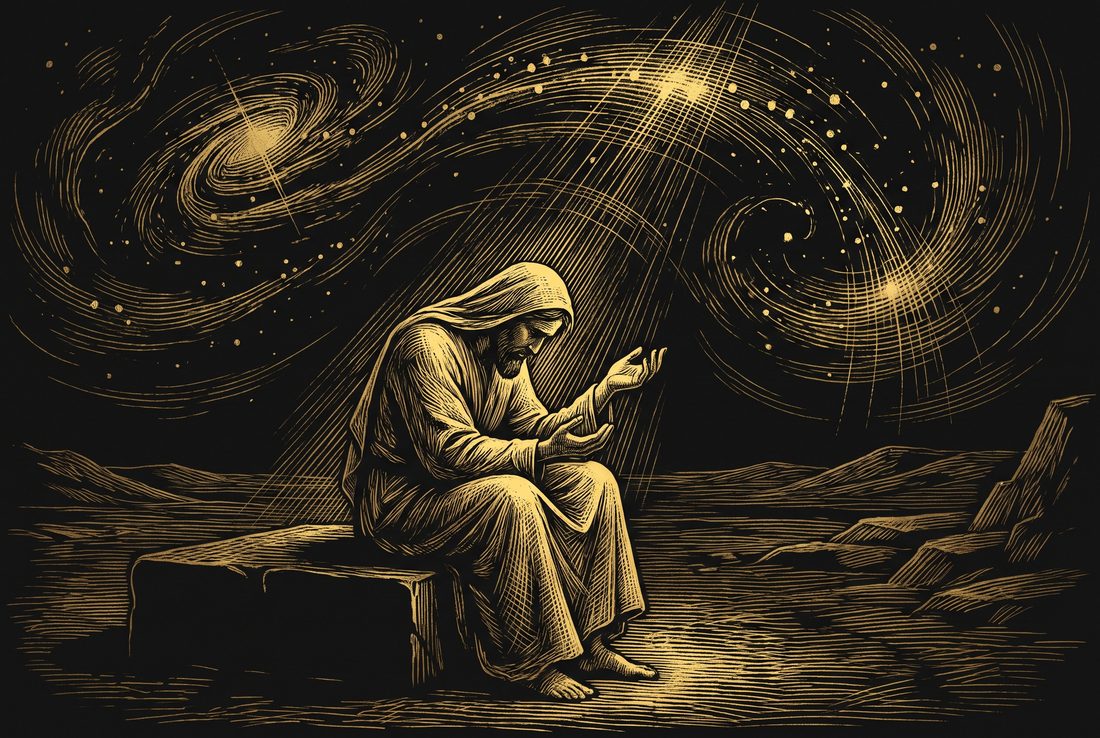

Mind is the master power that molds and makes, and man is mind, and evermore he takes the tool of thought, and shaping what he wills, brings forth a thousand joys, a thousand ills.
About This Book
There exists a threshold in the study of mind beyond which philosophy ceases to be a comfort and becomes an instrument. Charles F. Haanel's "Mental Chemistry" stands at that threshold. Drawing upon the analogy of chemical combination, in which specific elements brought together in specific proportions produce results that neither element could yield alone, Haanel proposes that thought itself is a creative force possessing properties as precise, as measurable, and as reliable as any reagent in a laboratory. The reader who enters this work expecting metaphor will discover instead a map. The territory it describes is one in which the outer world, every condition, every circumstance, every form of abundance or privation, is the precipitate of an inner process that has already occurred. To understand this is not merely to have learned something; it is to have crossed into a different relationship with existence itself.
The architecture of that map rests upon a single foundation: the Universal Mind, the one infinite substance from which all particular minds and all particular forms are differentiated expressions. Haanel does not separate science from religion, nor the material from the spiritual; he resolves them. What theology calls God and what physics approaches as the underlying field of energy are, in his framework, one reality encountered from two directions. The individual mind is not a visitor to this Universal Mind but a point of its self-expression, and it is through that recognition that the seemingly separate laws of cause and effect, of attraction, of vibration, and of growth are understood to operate without exception and without favoritism on every plane of being simultaneously. The law does not suspend itself for the uninformed; it only awaits the one who learns to use it consciously.
Within the individual, Haanel charts the precise interplay between the conscious and subconscious minds and the nervous systems that serve each. The conscious mind, the seat of reason, will, and directed attention, plants the seed; the subconscious mind, connected to the Universal and master of the body's ten thousand functions, executes the pattern without remainder. Every cell of the body is revealed here not as inert matter but as an intelligent entity, each one a participant in a co-operative republic whose collective health or disorder expresses, at the cellular level, the harmoniousness or disharmony of the dominant mental vibration. Disease is not accident; healing is not miracle. Both are the faithful reporting of an inner condition, and both are therefore subject to change through the deliberate instruments Haanel places in the student's hand: affirmation, denial, and suggestion, applied with understanding and with will.
To move through "Mental Chemistry" with full attention is to trace the arc of a great ascent. Man begins as a creature of law, driven by conditions he does not perceive himself to have authored. He rises to become a user of law, working with principles he has identified. He ascends finally to the station of master of law, wherein abundance is no longer petitioned but recognized as the natural state of one who thinks in alignment with the Universal, and wherein giving and circulation are understood not as virtues appended to prosperity but as the very mechanism by which prosperity is sustained. The practical instruction in these pages is inseparable from the philosophical ground beneath it, and it is that inseparability that distinguishes initiation from information.

More like this

The Edinburgh Lectures on Mental Science
1904 · 2h 16m read
You already move matter with your hands. This teaches the older motion, the one your thought makes before your hands ever arrive. Troward lays the whole ladder from Spirit to body before you, then leaves you standing on the first rung, holding the law but not yet the practice.

How To Manifest Your Desires
· 95 min read
You already possess the one faculty capable of reshaping every circumstance of your life, yet most people direct it by accident rather than by will. Neville Goddard restores imagination to its rightful throne. not as a pleasant diversion, but as the very mechanism by which the universe organises itself around the inner life of a person. The question this work leaves open is the one you will carry long after the final page: what are you, even now, silently assuming to be true?

The Doré Lectures
1998 · 1h 49m read
You have been told thought creates, and you have felt nothing move. Troward stands at the gallery lectern and traces the single law behind cosmos and self, then hands you the method for bending it toward your own life. What he withholds is where the law stops being universal and becomes yours.
The Master Key Experience
The books teach the law.
The Experience trains it.
A 24-week guided journey through the laws of mind: weekly gates, lessons drawn from the texts in this library, and a living companion that remembers you.
Begin the ExperienceFree · Begin without an account