
Table of ContentsNorman Vincent Peale
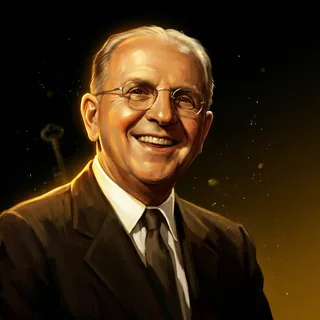
Norman Vincent Peale
Last updated: September 4, 2026
The minister who smuggled New Thought into millions of Christian homes by wrapping metaphysical principles in familiar Protestant packaging.
Lived
1898 – 1993
Nationality
American
Tradition
New Thought
Known For
The Power of Positive Thinking (1952)
Tone
Pure Light1 / 6
Pure positive-thinking Christianity centered on hope, encouragement, and constructive optimism.
Why Peale Matters
Peale accomplished what no other New Thought teacher could: he made mental science respectable to mainstream Christianity. By translating concepts like mental equivalents and constructive thinking into the language of faith and prayer, he created a bridge between esoteric metaphysics and popular religion. His massive influence popularized New Thought principles far beyond their original audience, though often without acknowledgment of their metaphysical roots. Love him or hate him, Peale proved that New Thought ideas could reshape American spiritual culture when presented in the right wrapper.
Start Here: The Reading Path
- The Power of Positive Thinking1952Start here to understand how Peale translated New Thought principles into Christian terminology. Focus on his techniques of affirmation and visualization disguised as prayer methods. Notice how he presents mental science concepts as rediscovered biblical truths.Read this as a case study in cultural translation rather than pure doctrine
Core Ideas in 60 Seconds
- Change your thoughts and you change your worldMental states directly create external conditions through the power of focused belief and expectation.Constructive Thinking
- Faith is the visualizing power of the mind coupled with the dynamic force of beliefChristian faith operates through the same mental mechanics that New Thought calls visualization and affirmation.Visualization
- God helps those who think positively about themselves and their circumstancesDivine assistance flows through optimistic mental attitudes rather than traditional theological channels.Affirmation
- Prayer is a form of spiritual energy that produces measurable resultsReligious practice operates according to metaphysical laws rather than divine caprice or mercy.Affirmative Prayer
Major Works
| Title | Year | What It Teaches | Best For |
|---|---|---|---|
| The Power of Positive Thinking | 1952 | How to apply New Thought mental techniques through Christian prayer and faith practices. | Anyone wanting to understand how metaphysical principles entered mainstream American Christianity |
| A Guide to Confident Living | 1948 | Practical methods for overcoming worry and fear through controlled thinking and spiritual practices. | Readers interested in Peale's psychological approach to Christian living |
| The Amazing Results of Positive Thinking | 1959 | Case studies and testimonials demonstrating the practical results of mental attitude transformation. | Those seeking evidence-based approaches to New Thought principles in religious contexts |
Lineage & Influence
Influenced By
Peale drew heavily from Ralph Waldo Emerson's mental philosophy and Emma Curtis Hopkins's metaphysical Christianity, though he rarely acknowledged these sources. His psychological approach was shaped by William James's pragmatic psychology and Dale Carnegie's success literature.
Influenced
Peale's mass-market approach directly inspired prosperity gospel leaders and positive psychology movement founders. His translation model influenced how later authors like Joseph Murphy and Catherine Ponder presented metaphysical ideas to religious audiences.
Parallel Thinkers
Emmet Fox was developing similar Christian metaphysics for Unity audiences while Peale worked within traditional Protestantism. Ernest Holmes built Religious Science on similar principles but remained more explicitly metaphysical rather than adopting Peale's strategic Christian camouflage.
The Story
Norman Vincent Peale grew up as a small-town Ohio Methodist pastor's son who discovered that traditional theology couldn't answer his parishioners' practical problems. After encountering New Thought literature in the 1920s, he began secretly incorporating mental science techniques into his ministry, wrapping concepts like visualization and affirmation in familiar Christian language. His breakthrough came when he realized that millions of Americans would accept metaphysical principles if they were presented as rediscovered biblical truths rather than occult teachings. The Power of Positive Thinking became a cultural phenomenon precisely because it offered New Thought's practical power without its esoteric baggage, making Peale both the tradition's most successful popularizer and its most controversial figure.
In Their Own Words
Change your thoughts and you change your world.
The Power of Positive Thinking
Throw your heart over the fence and the rest will follow.
The Power of Positive Thinking
The way to happiness: Keep your heart free from hate, your mind from worry. Live simply, expect little, give much.
A Guide to Confident Living
Frequently Asked Questions
Was Norman Vincent Peale a New Thought author?
Peale operated at the intersection of New Thought and Christianity, using metaphysical principles but presenting them through Protestant theology. He acknowledged his debt to New Thought privately but maintained his identity as a traditional minister publicly.
What is the difference between Peale and other New Thought teachers?
Peale translated New Thought concepts into Christian language and imagery, making them acceptable to mainstream Protestant audiences. Unlike pure New Thought teachers, he maintained traditional Christian theological framework while importing metaphysical techniques.
Did Norman Vincent Peale influence the prosperity gospel?
Yes, Peale's success in combining positive thinking with Christian faith provided a template that prosperity gospel teachers later expanded. His emphasis on faith as a practical mental technique became central to prosperity theology.
Explore Further
The Master Key Experience
The books teach the law.
The Experience trains it.
A 24-week guided journey through the laws of mind: weekly gates, lessons drawn from the texts in this library, and a living companion that remembers you.
Begin the ExperienceFree · Begin without an account