

The Creative Process in the Individual
In brief
The Creative Process in the Individual (1910) by Thomas Troward is a work of New Thought metaphysics tracing creative power from cosmic origins to the individual human mind. Its central claim is that the individual becomes a channel of the All-originating Spirit's creative power by measuring himself against the Divine Ideal rather than the inherited race-standard.
Key ideas
- Creative power works by a strict sequence of cause and effect, and its first principle is Harmony.
- The cosmos can be traced back only to the Self-contemplation of Spirit.
- The Life-principle always takes a body suited to its plane, yet no single form is essential.
- True New Thought means measuring oneself by the Universal Individuality of Spirit rather than by race thought.
- Individual creative power stays life-giving only while its Source is recognized and nothing in the individual's relation to the Spirit is inverted.
One creative order runs from the first movement of Spirit to the thought you hold now. You have probably not been shown that order, or why the same power that builds can also bind. Troward traces it stage by stage and follows it to a conclusion few teachers have been willing to state.
This Book Is: Thomas Troward · New Thought · Mental Science
Chapters
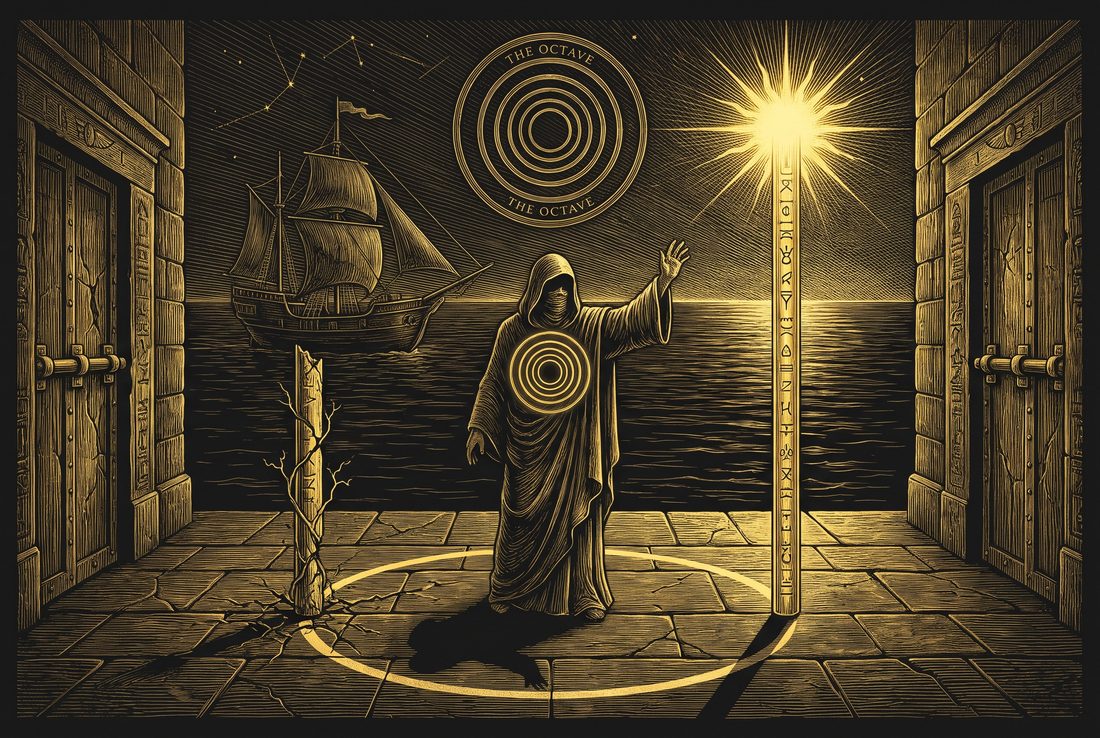
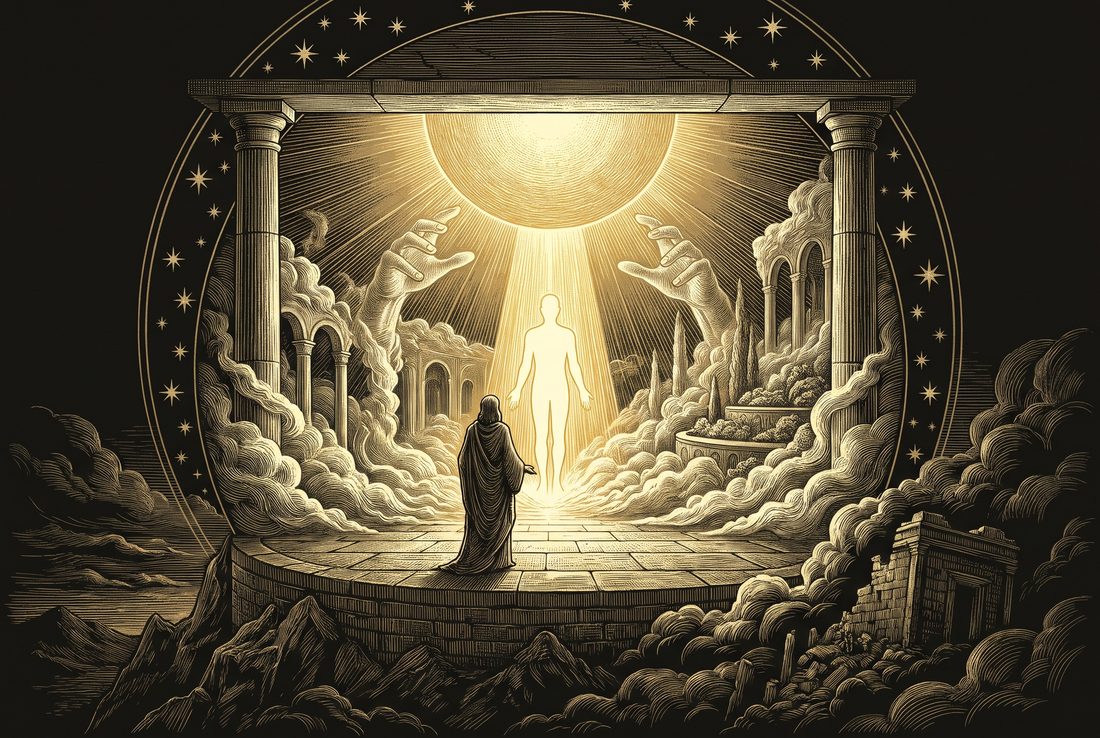
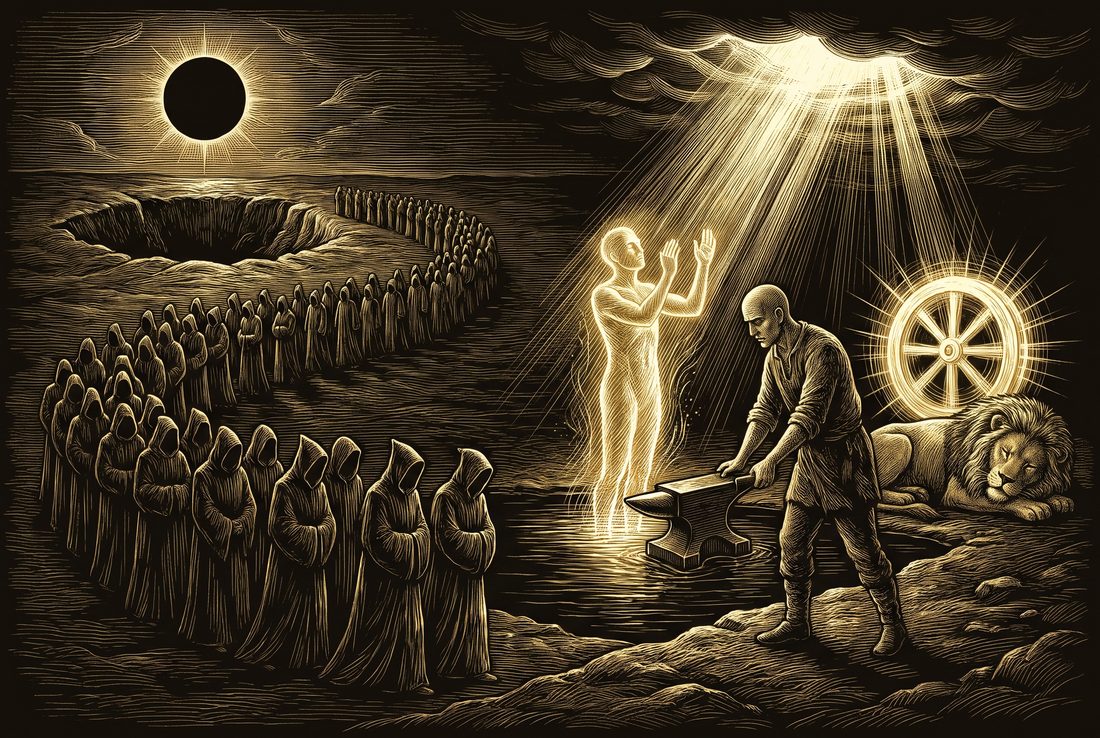
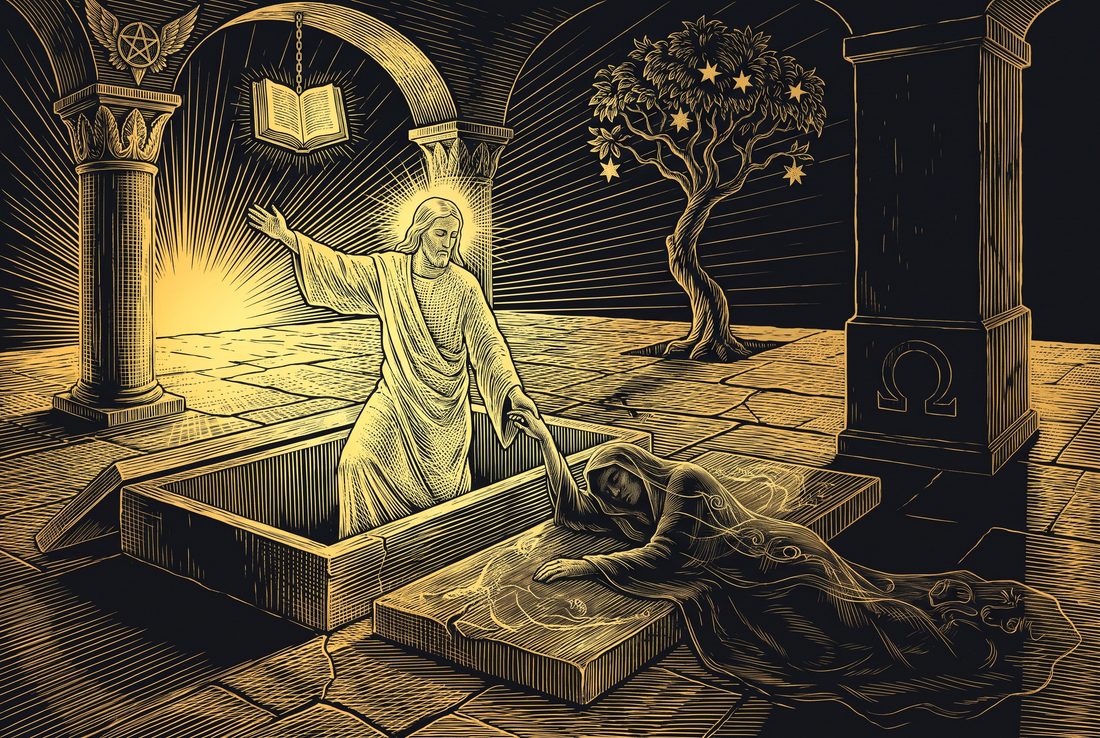
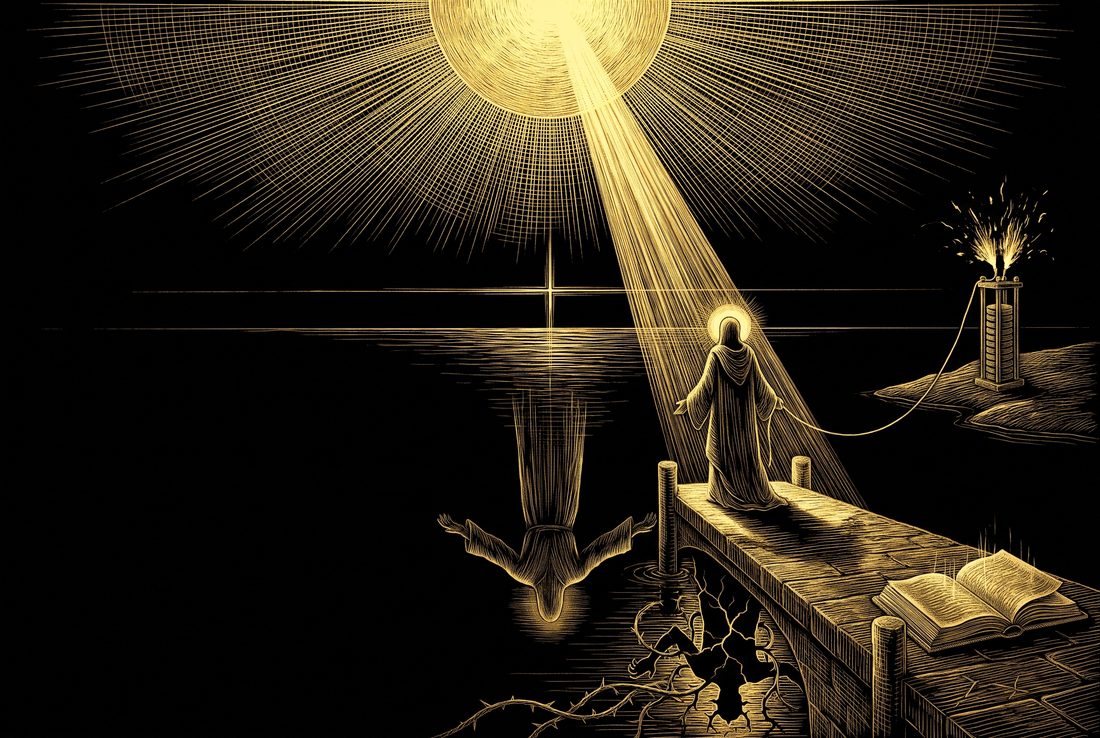
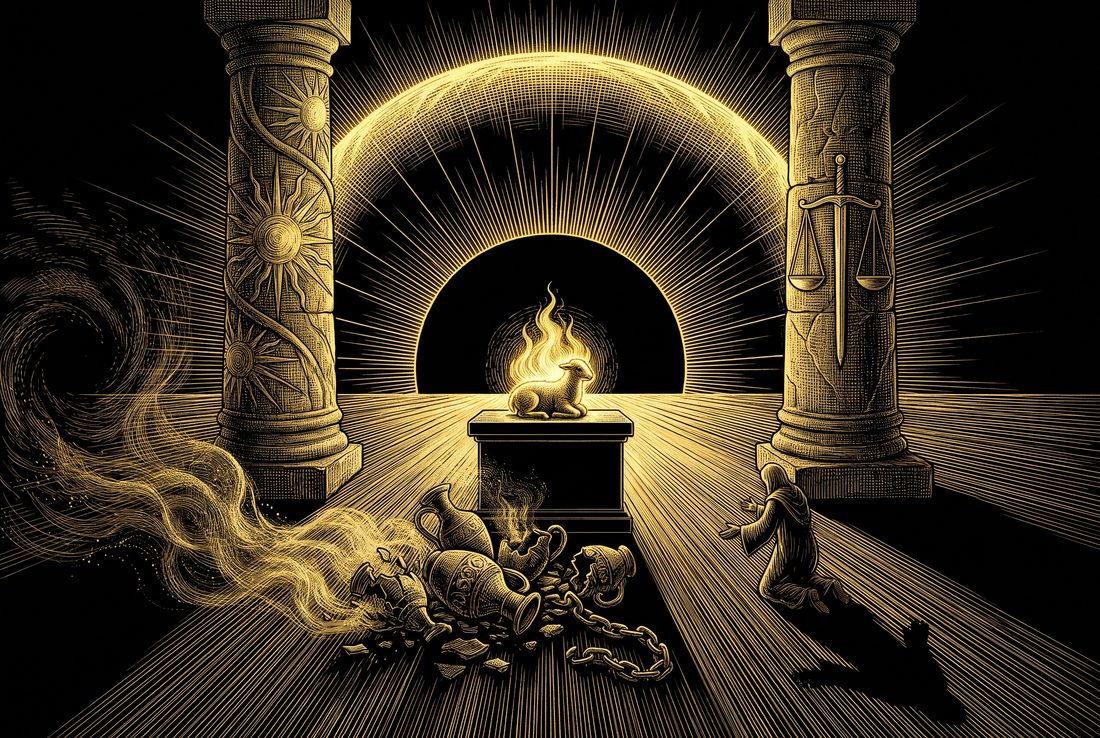
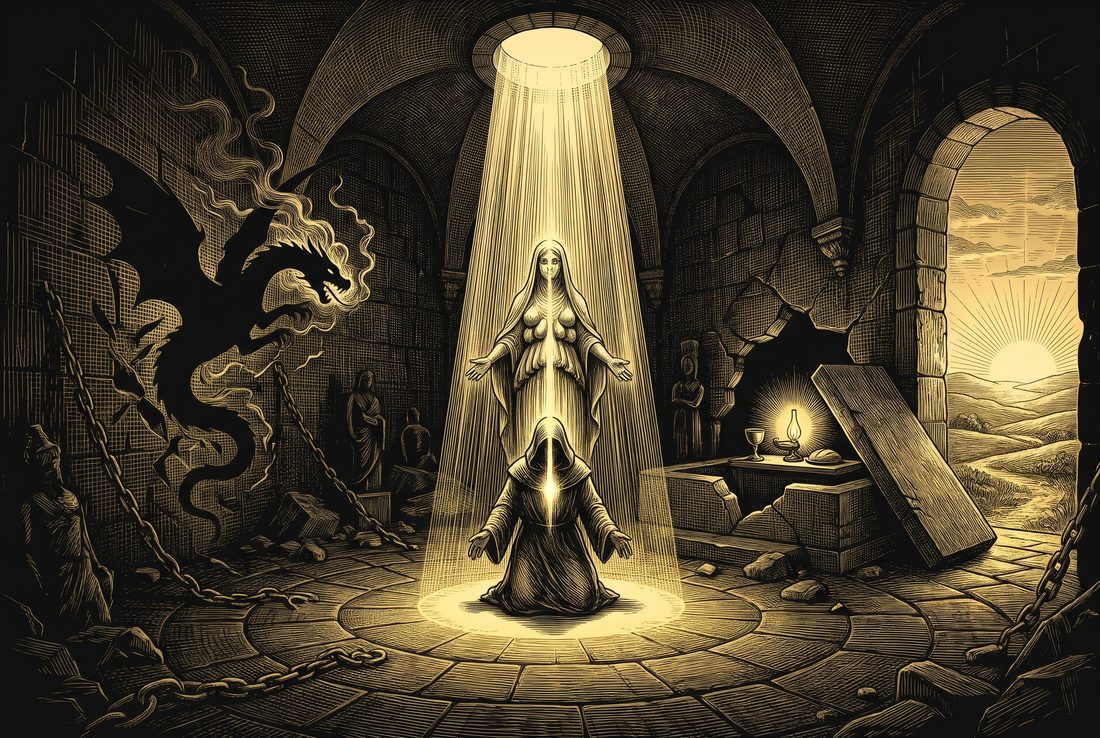
You are individualized Spirit; Therefore, What you contemplate as the Law of your being becomes the Law of your being.
About This Book
What if the power that first called the worlds into being has not withdrawn from its work, but is repeating it now, in miniature, within the mind that reads these words? This is the threshold at which Troward places his reader. He asks that we trace creation back past every chain of cause and effect to a single origin: Spirit contemplating itself. In that act of self-contemplation lies the seed of all form, cosmic and personal alike. The individual, Troward shows, is not a by-product of this process but a subordinate center through which it continues. Universal law is fixed, yet it waits to be specialized through human initiative and selection. This is what he calls the Personal Factor.
From this ground the book opens into wide country. Polarity appears as the engine of secondary causation and of evolution, the play of forces that builds the ascending kingdoms of nature, yet Troward is careful never to mistake it for the origin of creation. The ascent he describes leads beyond intellectual man, the Fourth Kingdom, toward a Fifth Kingdom of conscious individuality. At this point past experience loses its authority to set limits, for principle is not bound by precedent. Matter is a real projection of Spirit, so that Spirit stands as Alpha and solid form as Omega of a single Creative Series. Out of this follow some of the most searching pages Troward ever wrote, on subjective and objective mind, on the state after death, on the Resurrection of the Body, and on physical regeneration as the logical end of evolution rather than a fable.
Such power calls for a safeguard, and Troward names it plainly: a Divine Standard of Personality. Without it, creative force turns against itself. He traces evil, sickness, and limitation to inverted thought, to Fear, and to what he calls the Affirmation of Negation. Beside the impersonal Soul of Nature, the Anima Mundi, he places its complement, the Personality of God, the Animus Dei, and he presents Christ as the specialization of the universal Principle of Humanity. In the Divine Offering the reader finds a ground of certainty from which fear can no longer draw its strength.
The book closes on practice rather than theory. Its distinction between inherited race-thought and the true New Thought of one who measures himself by a higher standard comes to rest in worship within the Temple of the Innermost, where time and space fall away. The closing chapters, added for the 1915 edition, were among the last teachings Troward set down. They are best read slowly, as a map of ground the reader is meant, in time, to walk.
More like this
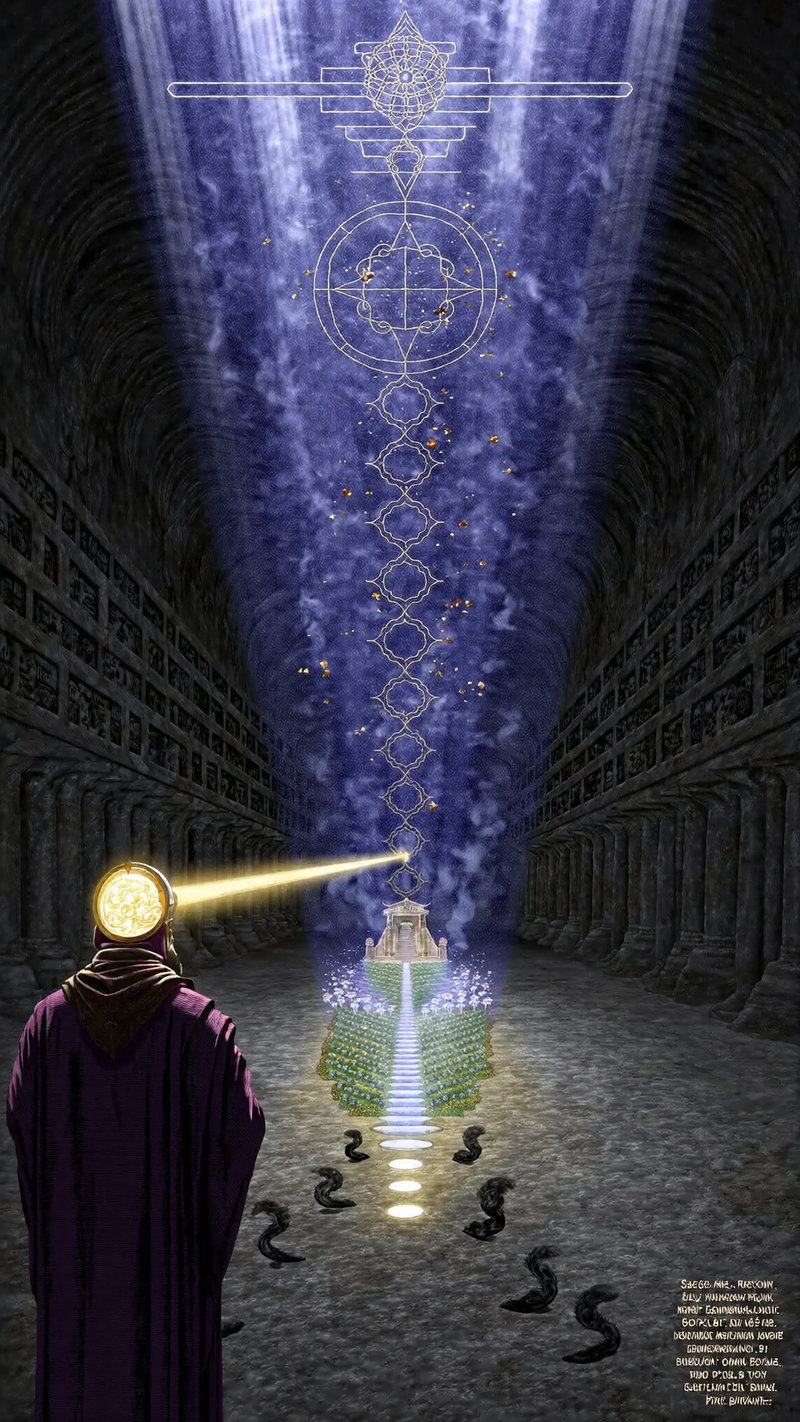
Your Invisible Power
1921 · 1h 31m read
You already hold a picture of the life you want, and it is shaping your days whether you tend it or not. Genevieve Behrend, the only personal pupil of Thomas Troward, teaches how that picture is drawn into form from Universal Substance, and names the single power able to hold it back.

In Tune with the Infinite
1897 · 4h read
You have looked outward for the cause of your troubles and the source of your strength. Trine holds that both were always within, and that one realization, lived rather than merely believed, reorders health, peace, power, and plenty. What that realization is, and how it is kept, he makes plain.
The Power of Concentration
1916 · 3h 12m read
Your attention scatters across a hundred small demands, and with it goes the force that could carry you wherever you choose. Concentration is that force, and it answers to the will. What Dumont asks of you first, before any exercise, is simpler and harder than it sounds.
About this edition
First published 1910.
Because of when it was first published, this text is in the public domain in the United States.
Presented as a reading edition by Better Thought. Typography, chapter titles and glossary links are ours. The words are the author's.
The Master Key Experience
The books teach the law.
The Experience trains it.
A 24-week guided journey through the laws of mind: weekly gates, lessons drawn from the texts in this library, and a living companion that remembers you.
Begin the ExperienceFree · Begin without an account