

As a Man Thinketh
In brief
As a Man Thinketh, published in 1903 by James Allen, is a short meditative treatise in the New Thought tradition on the formative power of the inner life. It contends that character, circumstance, health, and destiny arise from the thoughts a person habitually holds, so that the mind is the maker and shaper of the whole of individual life.
Key ideas
- Thought is the hidden root from which character and action grow.
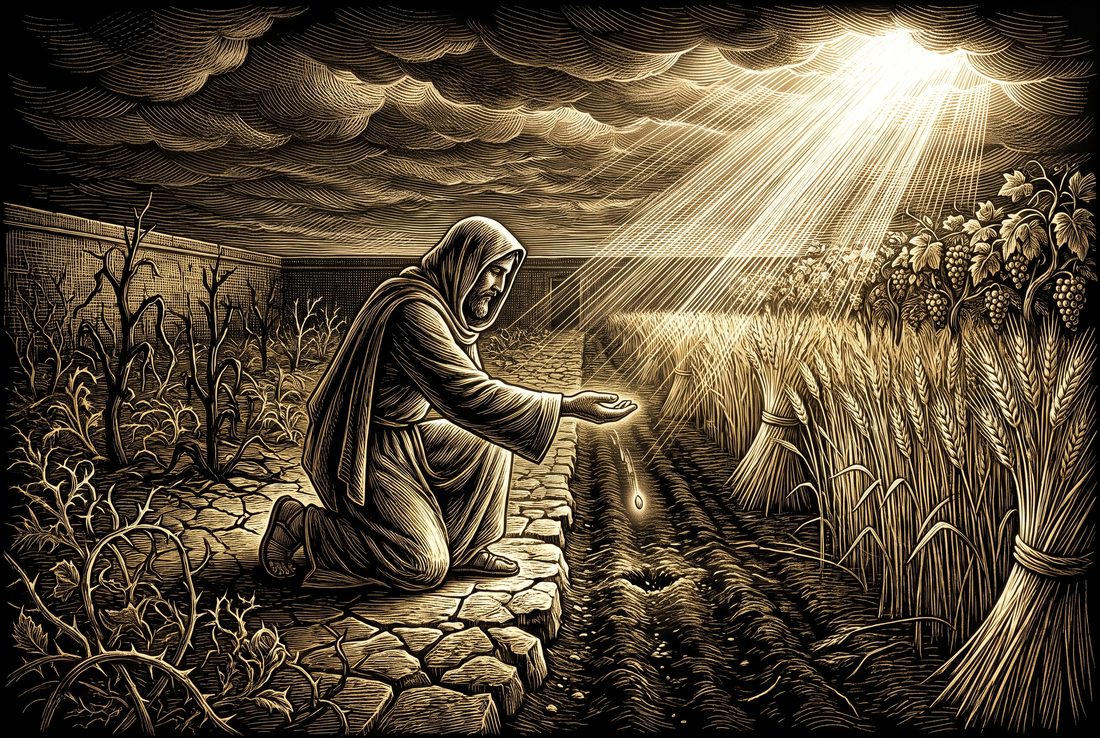
- The mind resembles a garden in which thoughts are seeds that yield corresponding outward circumstances.
- The body serves the mind and reflects its prevailing thoughts.
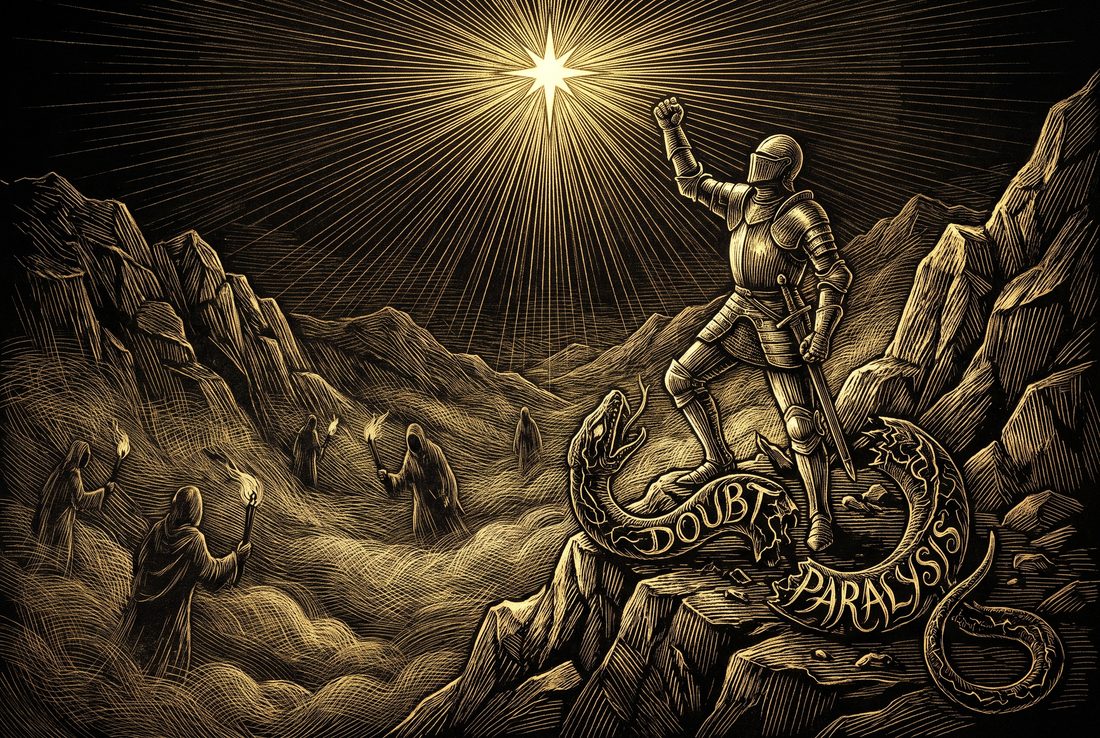
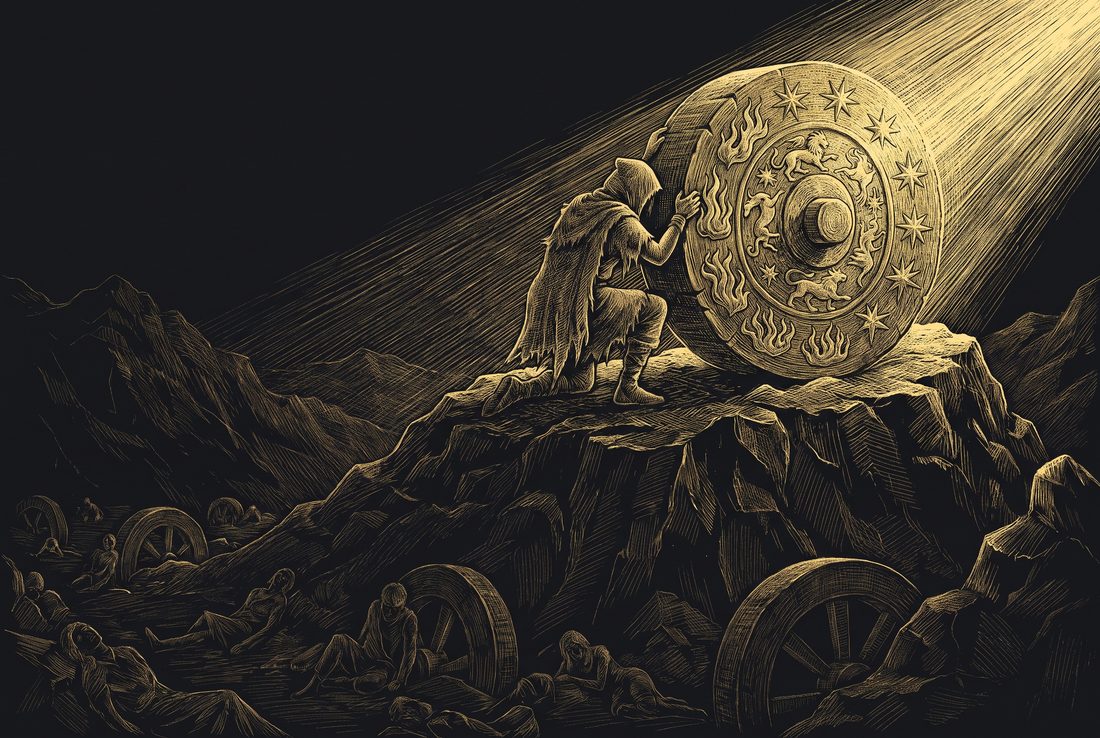
- Thought united with a fixed purpose becomes a creative and conquering force.
- Cherished visions and ideals act as prophetic blueprints of what one becomes.
You blame the circumstance. Allen turns you toward the seed that grew it. Every condition you call fate began as a thought you never questioned, and he will show you the garden before he hands you the tools to tend it.
This Book Is: Power Of Thought · Self-Mastery · Personal Growth
Chapters

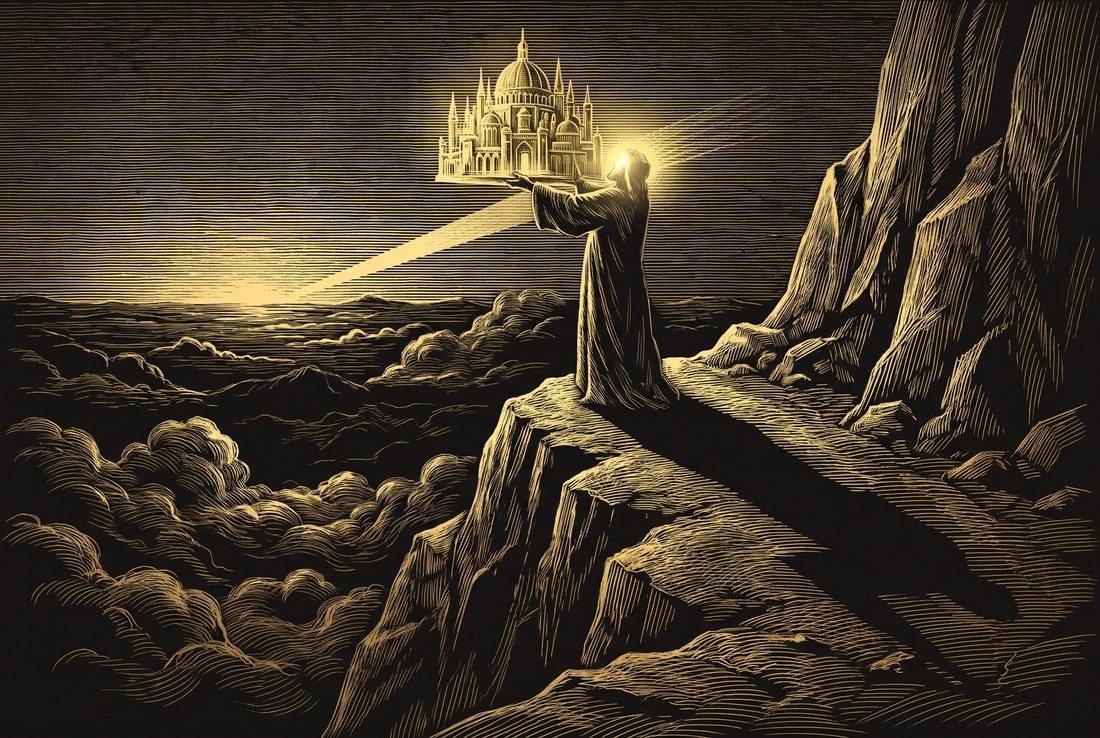
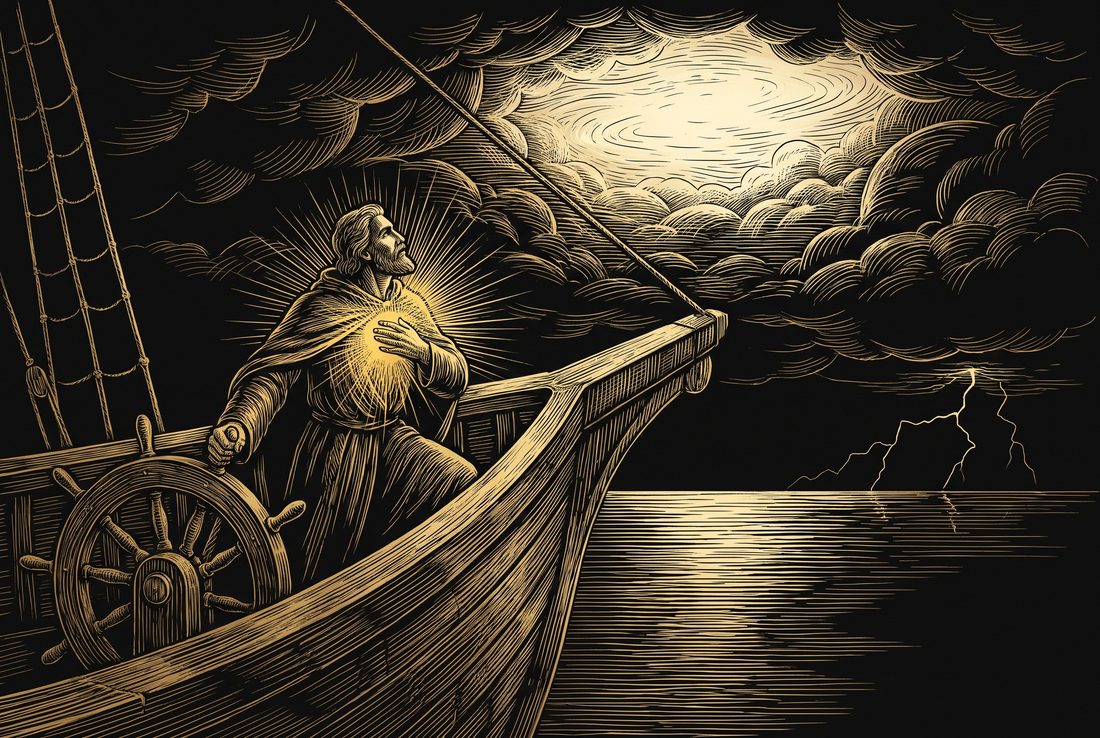
As a man thinketh in his heart, so is he.
About This Book
There is a law older than any scripture and more intimate than breath: as a man thinketh in his heart, so is he. James Allen did not invent this law; he uncovered it, dusted away the debris of excuse and circumstance, and held it to the light so that any earnest seeker might recognise its operation in the very texture of their own life. This slender volume is not a book of comfort for those who wish to remain as they are. It is a threshold text, one that, once crossed, renders the familiar world permanently strange, because the reader begins to perceive, perhaps for the first time, that every condition of their outer existence is a precise mirror of the habitual thinking of their inner one.
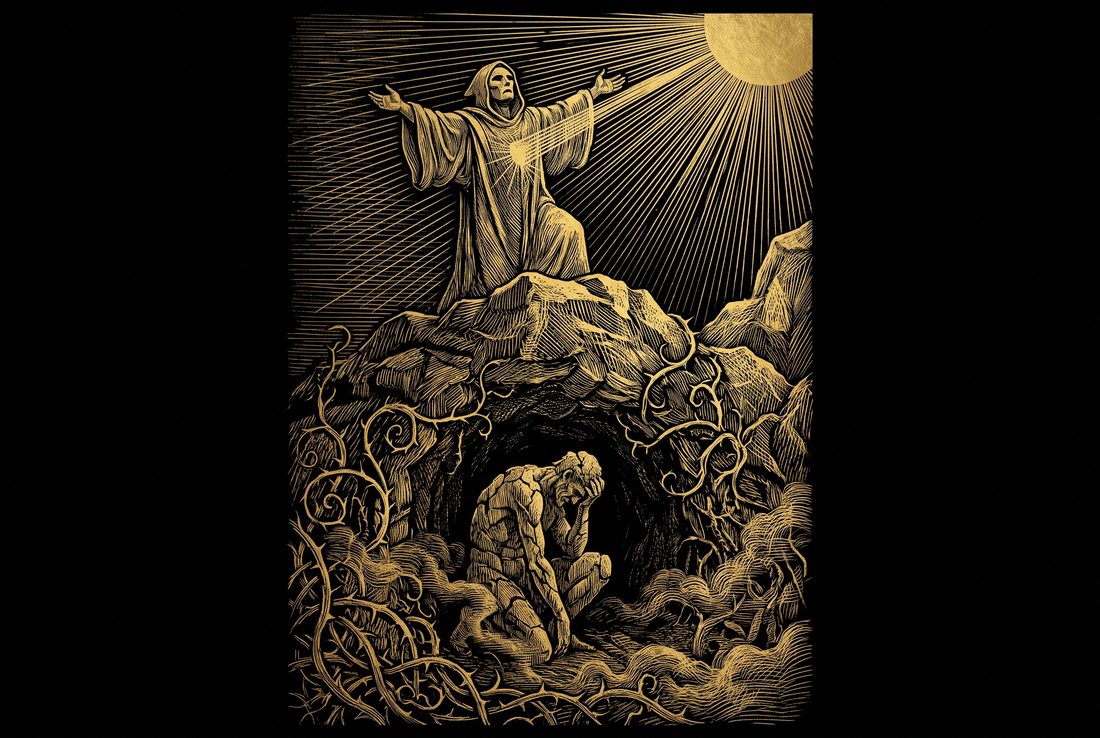
The territory Allen maps is the mind as a garden. Left untended, it yields thorns and rank growth, worry, resentment, fear, and the bitter fruit of purposelessness. Cultivated with intention and guarded with vigilance, it produces the harvest the gardener has chosen. This is not metaphor offered for consolation; it is a working principle, presented here with the quiet authority of one who has tested it on the proving ground of his own soul. Allen moves the student through successive chambers of understanding: the thought as seed, character as accumulation, circumstance as consequence, health as reflection, and achievement as the outward signature of an inward fidelity.
What distinguishes this text from mere optimism is its unsparing insistence on individual responsibility. Allen grants no exemptions. Poverty of spirit and poverty of condition are shown to share a common root; noble aspiration and noble attainment are shown to be bound by the same thread. The student who enters these pages seeking permission to blame fate, fortune, or another soul will find none. What they will find instead is something of far greater worth: the precise knowledge that the instrument of their liberation is already in their possession, has always been, and is nothing other than the directed, disciplined, and purified thought of a self-sovereign mind.
To read "As a Man Thinketh" as initiation rather than as inspiration is to receive it rightly. Allen himself wrote in the spirit of the ancient axiom, know thyself, and every page is an invitation to rigorous self-examination. The seeker who approaches it in that spirit, returning to it at intervals as their inner development deepens, will find that the book does not shrink with familiarity. It expands, because the reader expands, and each new level of self-mastery reveals a stratum of meaning that could not have been legible before.
About the Author
 James AllenA British philosophical writer whose short, meditative books became foundational texts of the self-help tradition.
More like this

Feeling Is The Secret
1944 · 27 min read
You already know what you want. What you have not been told is the single feeling that hands it to you. Inside is the mechanism behind the visible world, and the one door you pass through nightly without noticing you hold the key.

How To Manifest Your Desires
· 95 min read
You already possess the one faculty capable of reshaping every circumstance of your life, yet most people direct it by accident rather than by will. Neville Goddard restores imagination to its rightful throne, not as a pleasant diversion but as the very mechanism by which the universe organises itself around the inner life of a person. The question this work leaves open is the one you will carry long after the final page: what are you, even now, silently assuming to be true?

In Tune with the Infinite
1897 · 4h read
You have looked outward for the cause of your troubles and the source of your strength. Trine holds that both were always within, and that one realization, lived rather than merely believed, reorders health, peace, power, and plenty. What that realization is, and how it is kept, he makes plain.
About this edition
First published 1903.
Published in 1903. Works published in the United States before 1931 are out of copyright there, so this text is in the public domain in the US. Library records differ over which imprint carried the first edition.
Presented as a reading edition by Better Thought. Typography, chapter titles and glossary links are ours. The words are the author's.
The Master Key Experience
The books teach the law.
The Experience trains it.
A 24-week guided journey through the laws of mind: weekly gates, lessons drawn from the texts in this library, and a living companion that remembers you.
Begin the ExperienceFree · Begin without an account