

How To Manifest Your Desires
You already possess the one faculty capable of reshaping every circumstance of your life, yet most people direct it by accident rather than by will. Neville Goddard restores imagination to its rightful throne. not as a pleasant diversion, but as the very mechanism by which the universe organises itself around the inner life of a person. The question this work leaves open is the one you will carry long after the final page: what are you, even now, silently assuming to be true?
This Book Is: Neville Goddard · New Thought · Imagination
Chapters
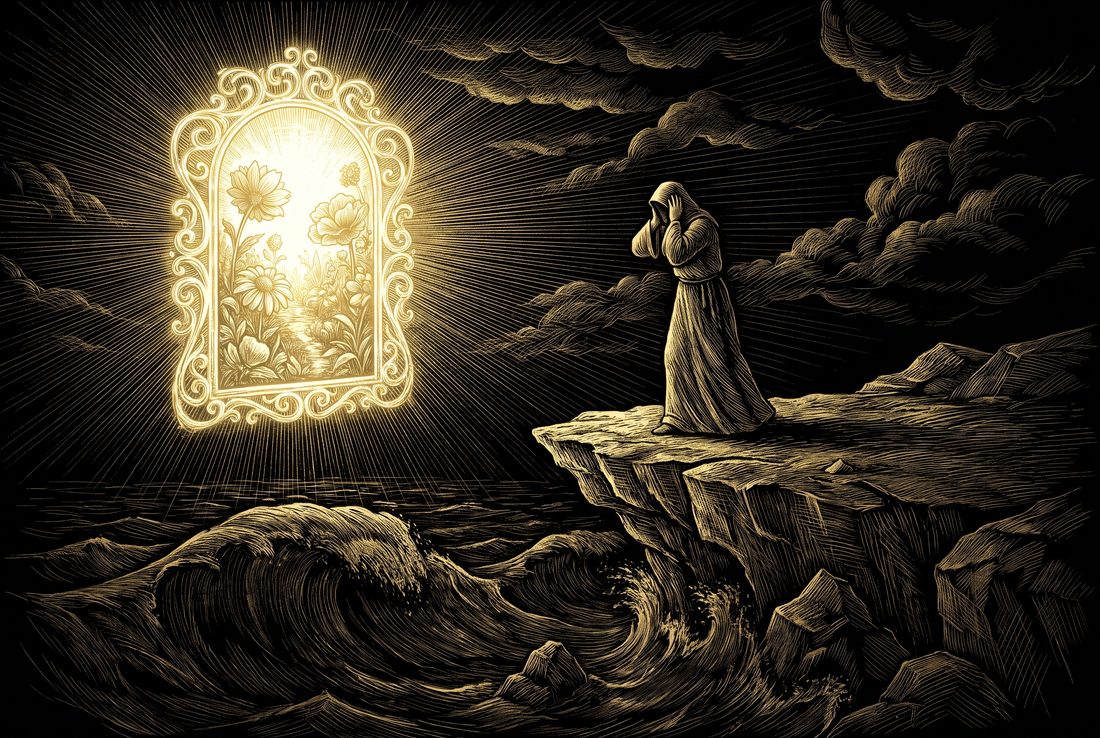
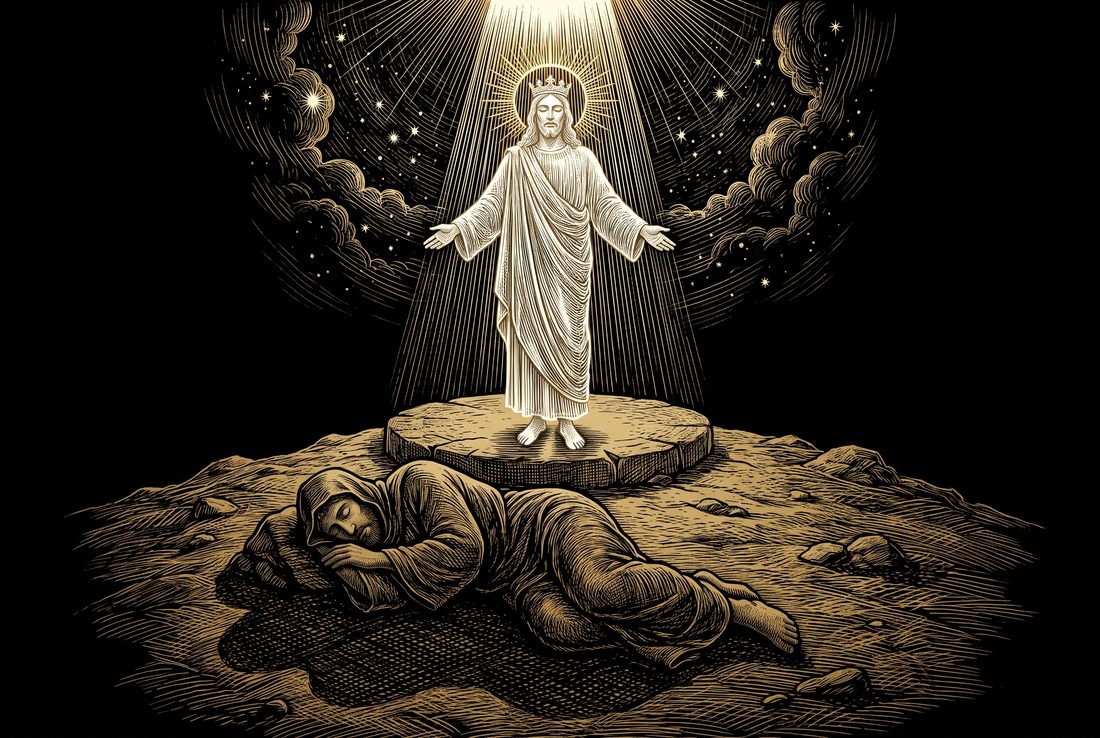
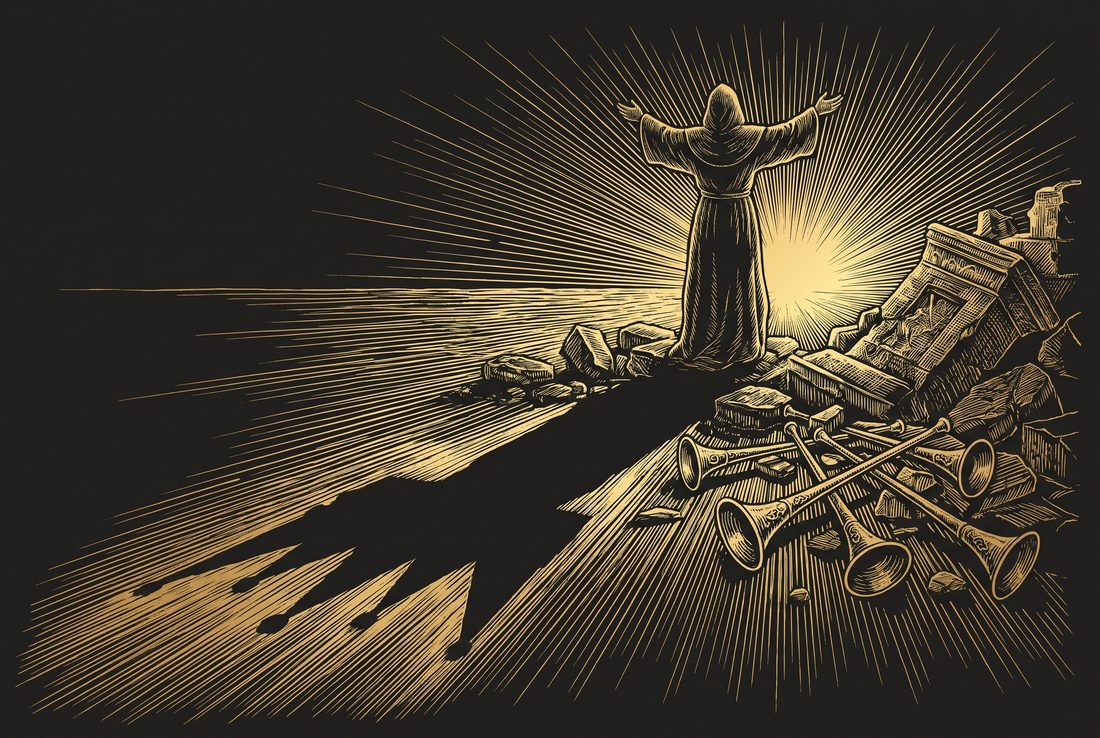
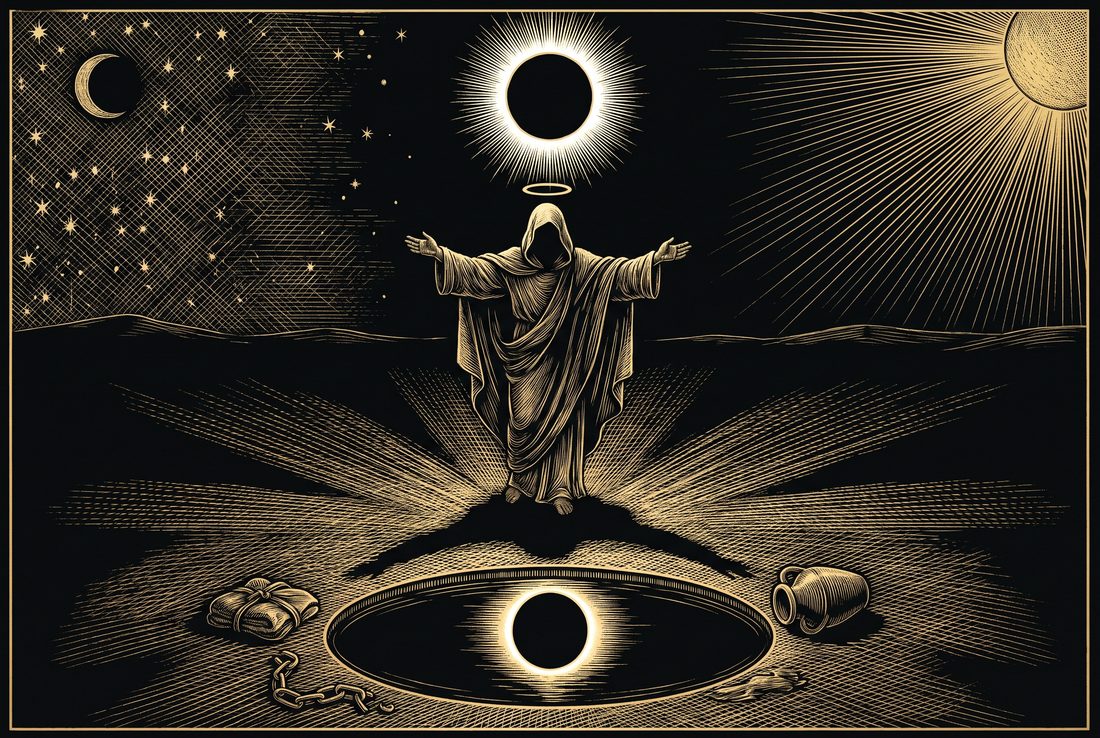

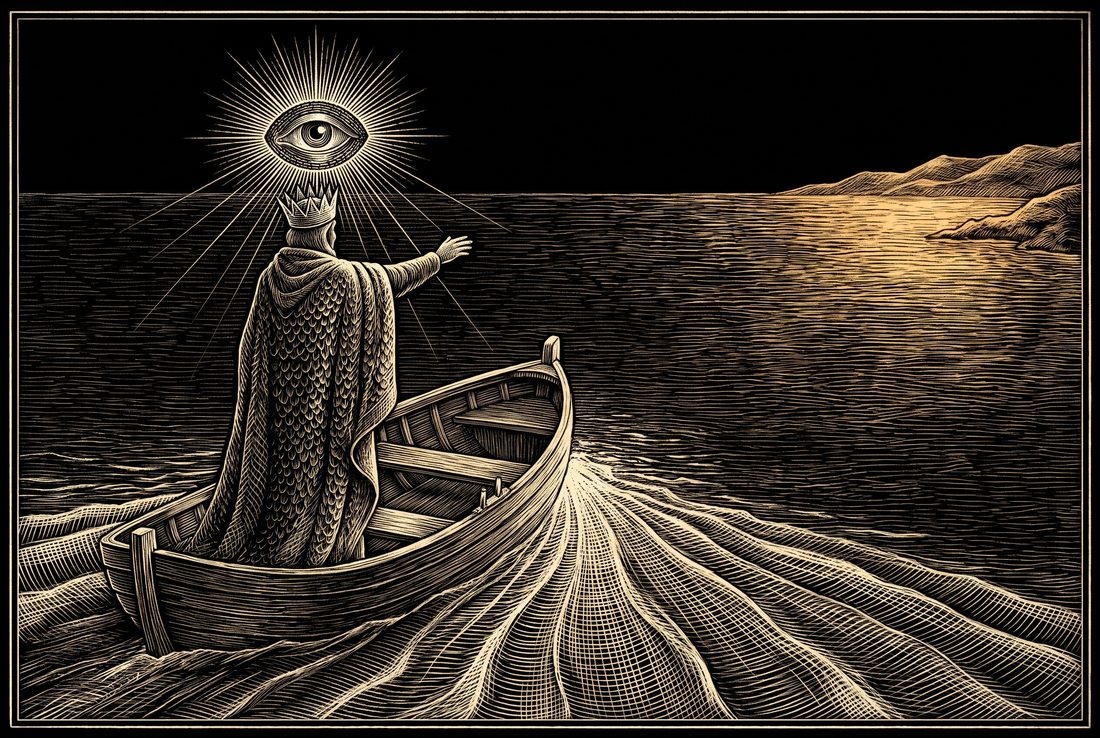
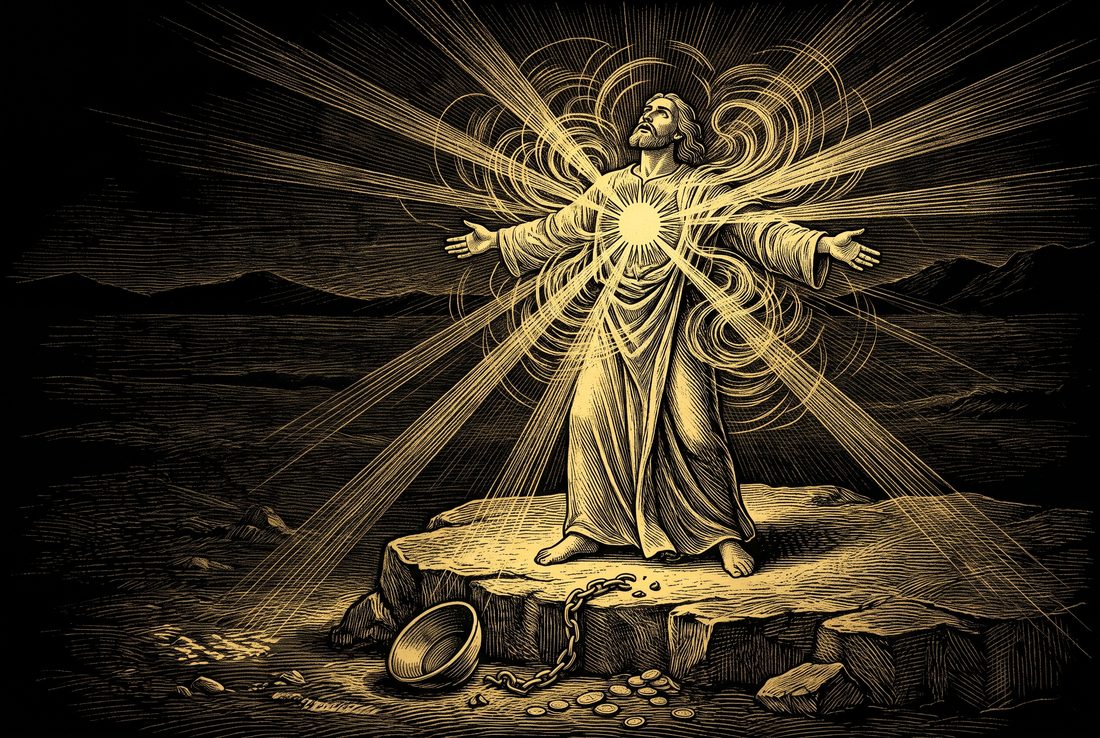
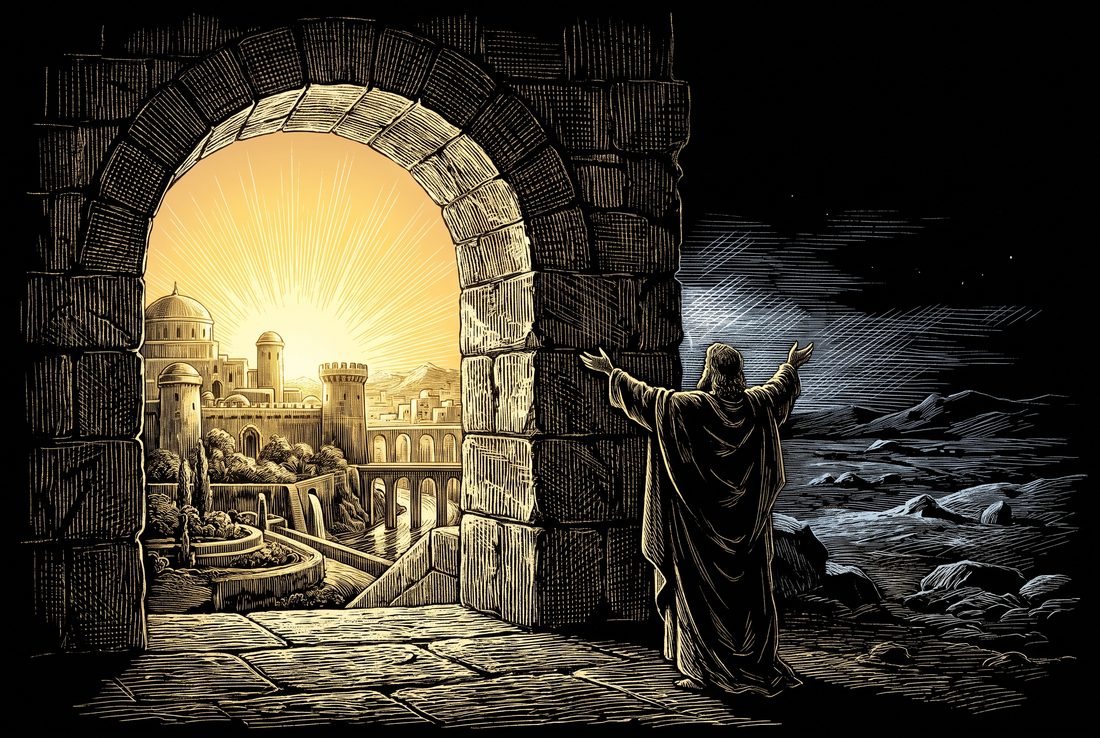
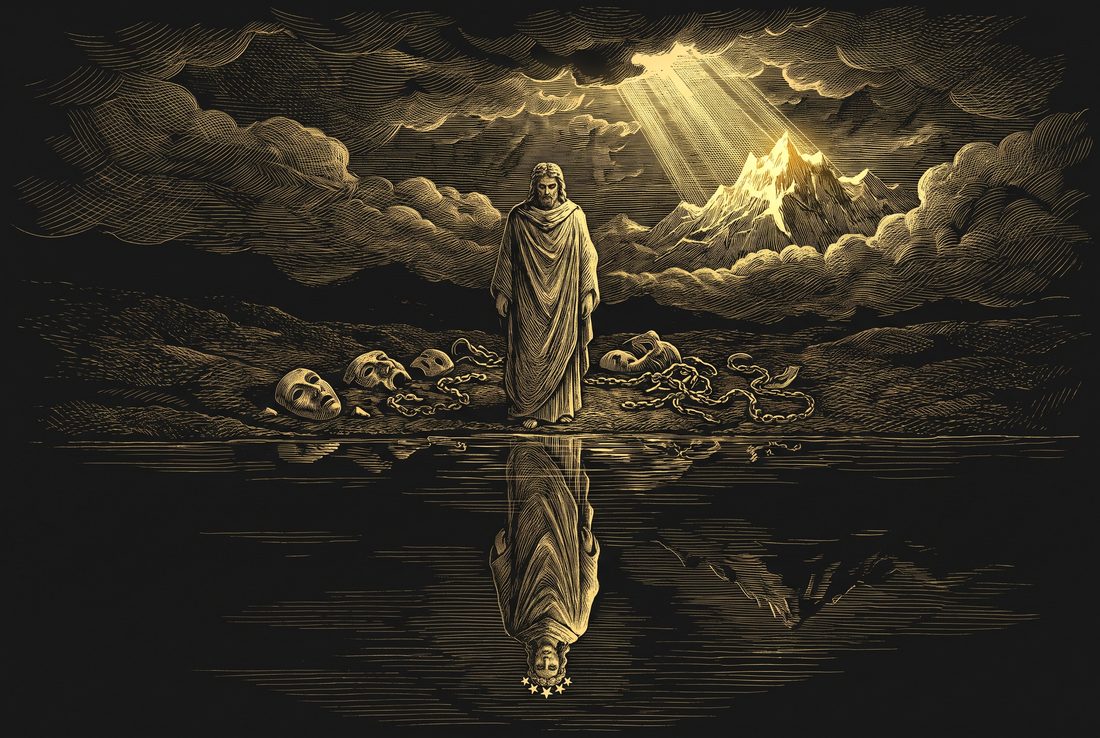
Assume the feeling of your wish fulfilled and observe the route that your attention follows.
About This Book
To open this volume is to cross a threshold from which the reader will find it difficult. and ultimately undesirable. to return. Neville Goddard does not offer techniques in the ordinary sense of that word. He offers a revolution in metaphysics, stated with the calm certainty of one who has tested every word against lived experience. The central declaration is absolute: Consciousness is the sole and sufficient cause of all phenomena. The world the senses report is not a stage upon which human beings wander as onlookers; it is a projection, faithful and inexorable, of whatever the individual dwells upon in the secret theater of the mind. There is, in this teaching, no external power to petition and no external obstacle to overcome. The only territory that requires exploration, and the only territory capable of yielding fruit, is the landscape within.
The reader who expects a historical or doctrinal exposition of Scripture will be quietly disoriented and then, if patient, illuminated. Goddard reads the Bible as a precise psychological allegory, a map drawn in the language of symbol for those willing to lay aside the literal in favor of the living. Abraham, Jacob, Moses, and Christ are not remote figures of a distant dispensation; they are states of consciousness, initiatory stations through which every soul passes on its way toward the full assumption of its divine creative nature. Prayer, reinterpreted through this lens, is no longer petition addressed to a being apart from oneself. It is the deliberate, sustained inner experience of the wish already fulfilled, a controlled mood rather than a spoken word, a feeling entertained until it becomes the only feeling the deeper mind recognizes as real.
At the practical heart of this initiation lies the discipline of assumption. To assume the feeling of a desired state, to inhabit it not with frantic effort but with the quiet certainty of one who already possesses what is sought, is to plant the seed of an inevitable harvest. Goddard places particular emphasis on the state akin to sleep, that luminous interval between waking and dreaming in which the analytical guard of the intellect grows soft and the imaginative faculty becomes sovereign. It is in this threshold condition that the disciplined imaginer speaks most directly to the creative medium of consciousness, impressing upon it a scene, a sensation, a mood freighted with the full emotional reality of the wish fulfilled. Feeling, not force of will, is the secret ferment. The future is not fixed but malleable, bending always toward the dominant inner assumption of the one who dares to think fourth-dimensionally, moving in imagination beyond the apparent present into the already-accomplished.
What distinguishes this work from lesser treatments of similar ideas is its insistence on fidelity without anxiety. The student is not asked to monitor circumstances, to adjust strategies, or to wonder at the means by which transformation will arrive. The means are none of the imaginer's concern, for they belong to a wisdom larger than the personal intellect. The sole obligation is faithfulness to the inner state assumed, sustained without grasping, without the fever of doubt, and without the need to see the process from the outside. There is no one to change, no institution to reform, no other mind to persuade. The self, understood as Consciousness itself wearing a particular form, is the beginning, the middle, and the end of all creative work. To read Goddard carefully is to accept an invitation into that understanding, and to discover that the invitation has always already been extended.

More like this

Mental Chemistry
1922 · 45 min read
You suspect your circumstances answer to something inside you, and Haanel agrees: conditions are chemistry, thought the reagent that fixes them. He hands you the equations. Whether you dare to run them on your own life is the part he leaves in your hands.

As a Man Thinketh
1903 · 33 min read
You blame the circumstance. Allen turns you toward the seed that grew it. Every condition you call fate began as a thought you never questioned, and he will show you the garden before he hands you the tools to tend it.

Feeling Is The Secret
1944 · 27 min read
You already know what you want. What you have not been told is the single feeling that hands it to you. Inside is the mechanism behind the visible world, and the one door you pass through nightly without noticing you hold the key.
The Master Key Experience
The books teach the law.
The Experience trains it.
A 24-week guided journey through the laws of mind: weekly gates, lessons drawn from the texts in this library, and a living companion that remembers you.
Begin the ExperienceFree · Begin without an account