

Your Forces and How to Use Them
In brief
Your Forces and How to Use Them is a 1912 work of New Thought instruction by Christian D. Larson, a practical manual on directing the powers latent in human nature. Every force in man is good in itself, and the "I Am," standing above mind and body, governs these forces through will, concentration, subconscious impression and imagination toward constructive ends.
Key ideas
- The "I Am" is the ruling principle, governing mind and body from above them.
- Thought has power only when it reaches the subconscious undercurrents of mind.
- Man grows into the likeness of what he thinks of most and loves best.
- Every ill comes from the misdirection of forces that are good in themselves.
- Imagination makes the pattern that every creative force follows.
You carry more energy than you will ever spend, and most of it runs to waste through scattered thought and borrowed desire. There is a ruling principle within you that can gather every force and direct it, and it stands nowhere you have yet been looking.
This Book Is: New Thought · Christian D. Larson · I Am
Chapters
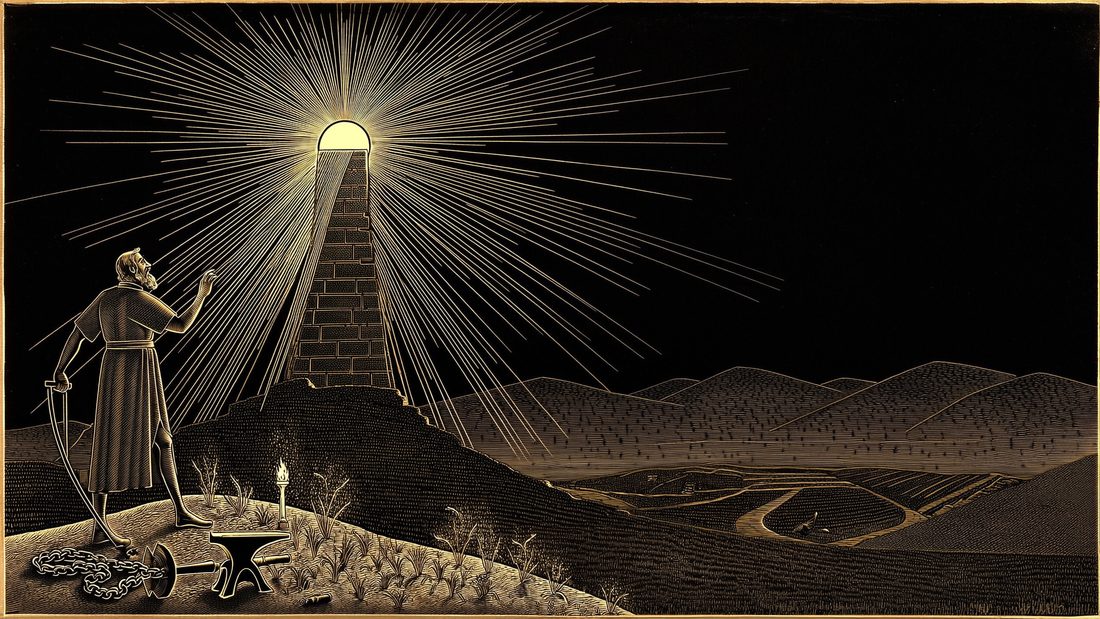
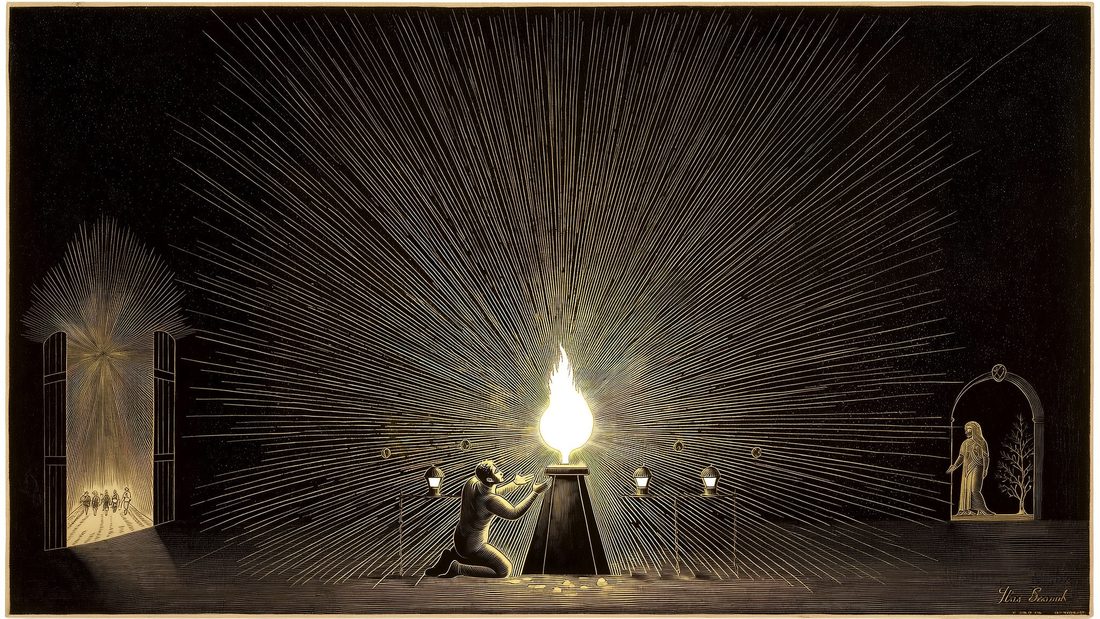
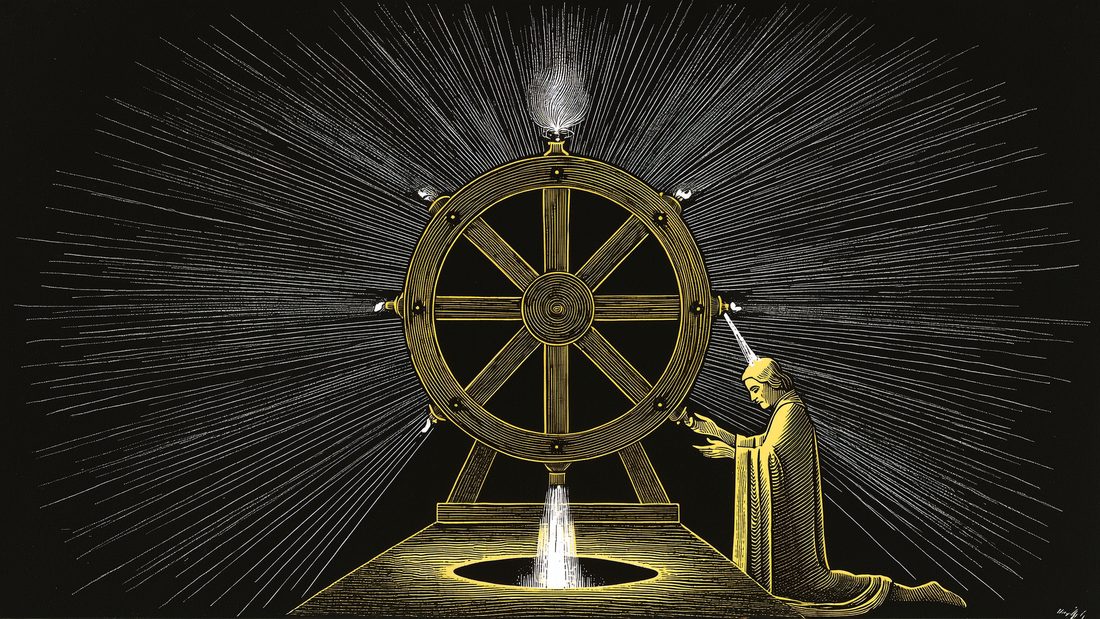
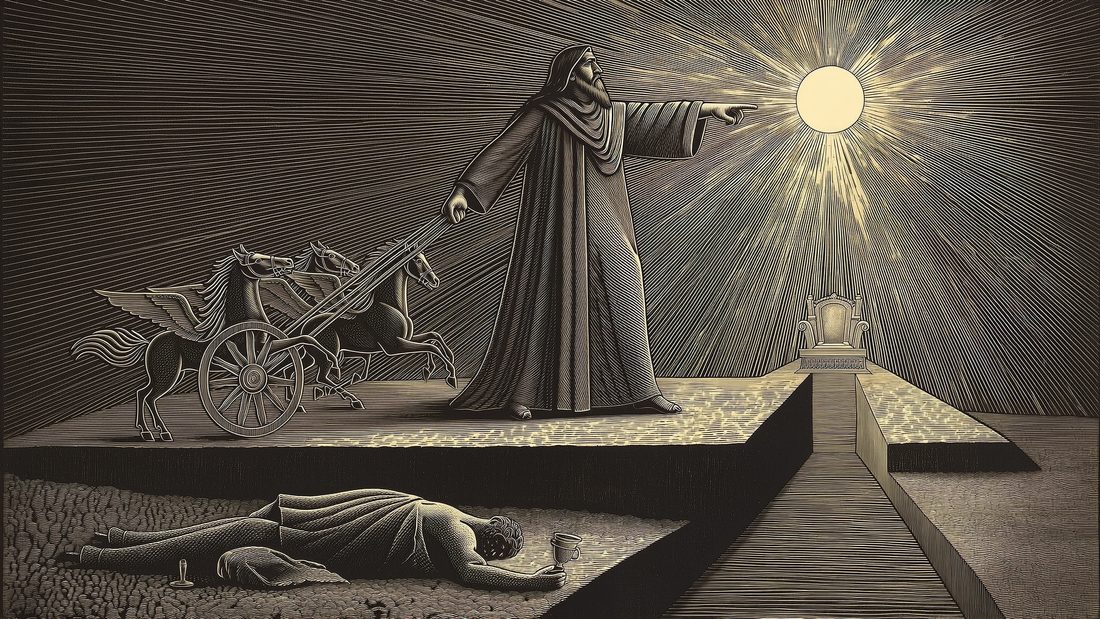
Personal man gradually but surely grows into the likeness of that which he thinks of the most, and man thinks the most of what he loves the best.
About This Book
There comes a point in the inner life when a person stops asking what he wants and asks who within him is doing the wanting. Your Forces and How to Use Them stands at that threshold. Larson places the "I Am" above mind and body as the ruling principle, the true self that governs every faculty it chooses to direct. Individuality is this invisible, initiating self. Personality is its visible instrument, the form through which it acts in the world. To know the difference is the first step out of drift and into command.
Beneath waking thought lies a vast and trainable servant. The subconscious receives whatever is impressed upon it and returns it magnified, so that every habitual attitude becomes, in time, a tendency of character and a condition of life. Thought works through the deeper psychological field as well as on the surface, and its undercurrents shape outcomes long before the outer mind notices them. Man is as he thinks, not what he thinks he is, and he grows steadily into the likeness of what he thinks of most and loves best. Larson shows that persistent, deeply felt desire is the force that awakens dormant faculties, and that concentration, positiveness and constructive mental action are the right use of the mind.
The book is equally a discipline of self-mastery. Will and character stand against dependence, emotional excess and the pull of outside influence. Surplus creative energy, rightly transmuted, becomes ability, genius and personal magnetism instead of being spent and lost. Imagination and ideals give direction to the master mind, which is the mind that thinks what it wants to think. Speech carries a hidden power of its own: constructive words build, and careless words scatter the very forces one seeks to gather.
Above all these lies the superconscious, the sublime state from which the higher forces and every true inspiration descend. Larson teaches that each person holds limitless latent possibility, and that as these powers are awakened and used, humanity rises toward the superior race he sees approaching. The reader who enters here receives a working method and an invitation to become the one who directs his own forces.

More like this
The Power of Concentration
1916 · 3h 12m read
Your attention scatters across a hundred small demands, and with it goes the force that could carry you wherever you choose. Concentration is that force, and it answers to the will. What Dumont asks of you first, before any exercise, is simpler and harder than it sounds.

In Tune with the Infinite
1897 · 4h read
You have looked outward for the cause of your troubles and the source of your strength. Trine holds that both were always within, and that one realization, lived rather than merely believed, reorders health, peace, power, and plenty. What that realization is, and how it is kept, he makes plain.
Your Invisible Power
1921 · 1h 31m read
You already hold a picture of the life you want, and it is shaping your days whether you tend it or not. Genevieve Behrend, the only personal pupil of Thomas Troward, teaches how that picture is drawn into form from Universal Substance, and names the single power able to hold it back.
About this edition
First published 1912.
Because of when it was first published, this text is in the public domain in the United States.
Presented as a reading edition by Better Thought. Typography, chapter titles and glossary links are ours. The words are the author's.
The Master Key Experience
The books teach the law.
The Experience trains it.
A 24-week guided journey through the laws of mind: weekly gates, lessons drawn from the texts in this library, and a living companion that remembers you.
Begin the ExperienceFree · Begin without an account