
What is Imagination?
Last updated: July 13, 2026
The imaging faculty; the power of the mind to form mental pictures or concepts. In New Thought, imagination is a divine creative faculty through which Spirit manifests.
Understanding Imagination in New Thought
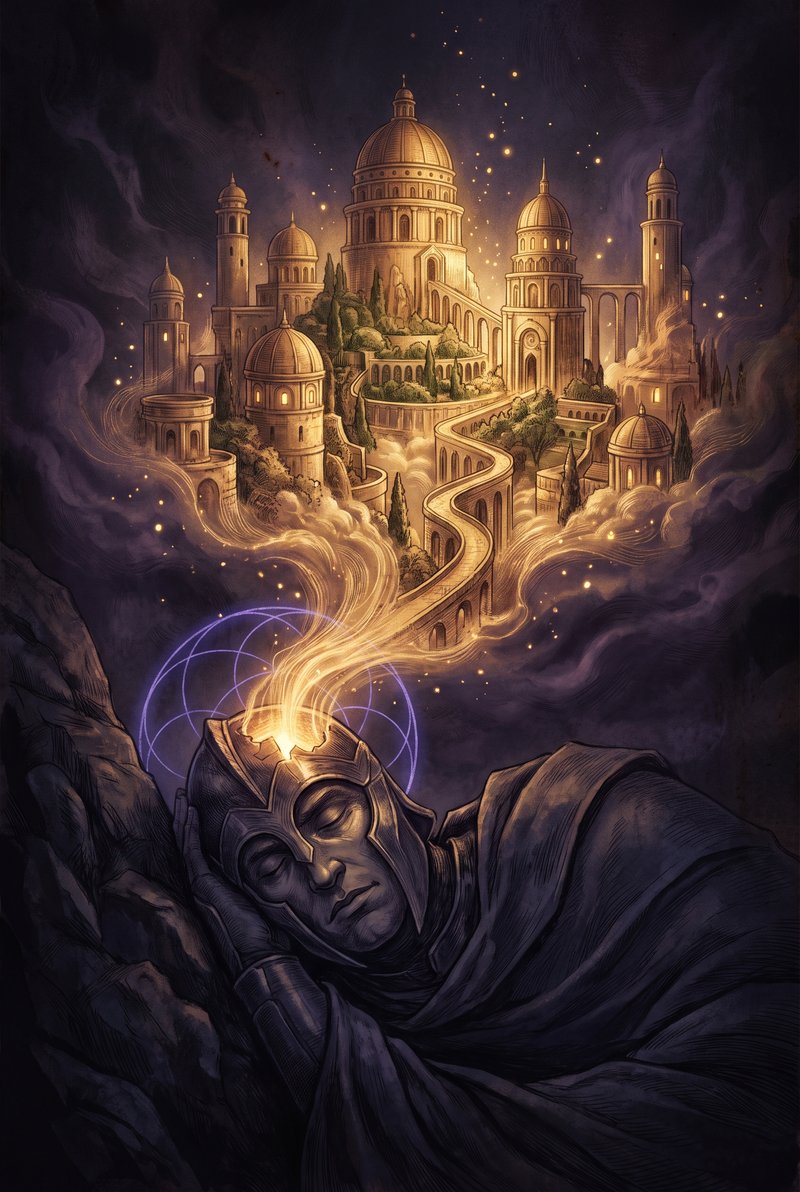
The imaging faculty; the power of the mind to form mental pictures or concepts. In New Thought, imagination is a divine creative faculty through which Spirit manifests. Troward identifies imagination, alongside intuition, as the faculties most immediately concerned with the Soul's creative work: "The intuition grasps an idea from the Great Universal Mind... and then our image-building faculty gives it a clear and definite form".
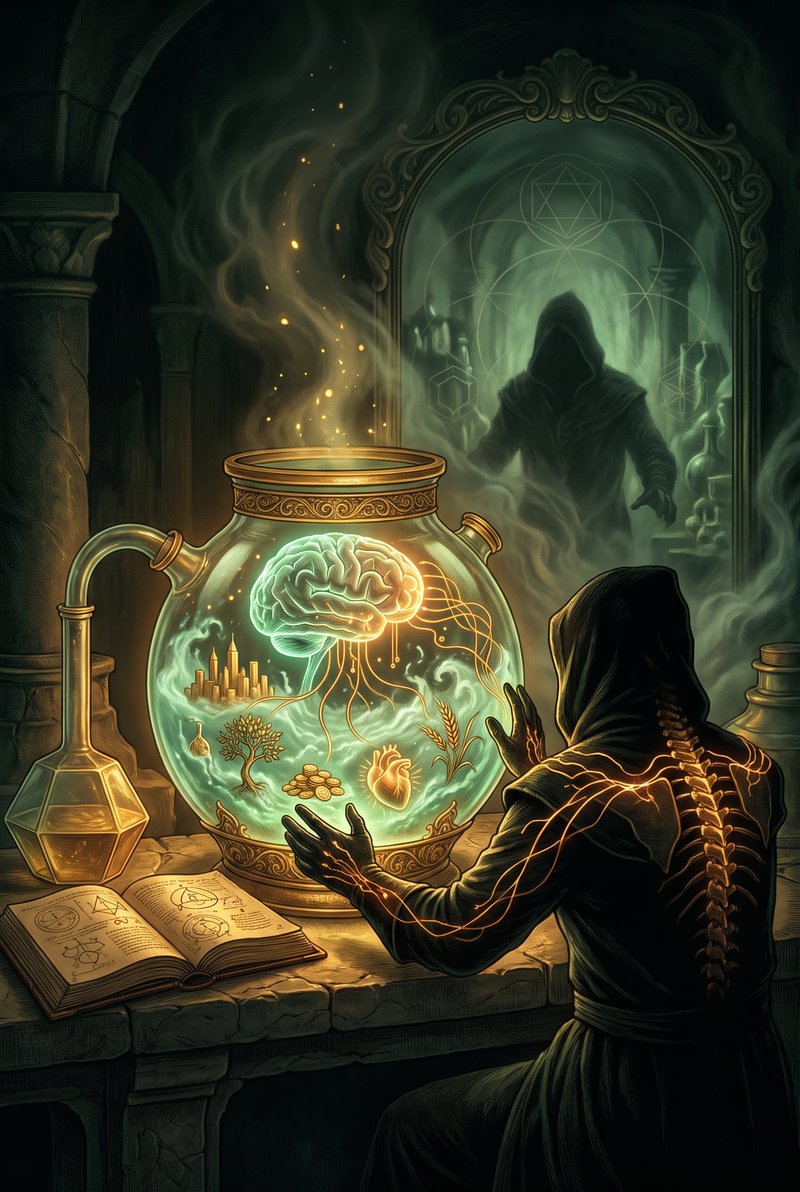
In New Thought, Imagination is not merely a fanciful mental exercise, but a foundational creative faculty, directly linking the individual mind to the Universal Mind. It is considered a divine power, enabling the manifestation of desired realities by forming clear mental images and concepts. This perspective elevates imagination from a passive daydreaming state to an active, purposeful tool for co-creation, reflecting the New Thought emphasis on mind over matter and the inherent creative potential within each person. Its significance lies in its role as the bridge between abstract spiritual principles and their concrete expression in the material world.
What the Teachers Say
Imagination vs. Will
While both imagination and will are essential faculties in New Thought philosophy, they operate through different mechanisms and serve complementary roles in the creative process. Understanding their distinction helps clarify how conscious creation actually works.
| Aspect | Imagination | Will |
|---|---|---|
| Primary Function | Forms mental images and pictures | Directs and focuses mental energy |
| Creative Role | Provides the blueprint for manifestation | Supplies the force behind manifestation |
| Consciousness Level | Works through feeling and visualization | Operates through intention and decision |
| Energy Quality | Receptive and formative | Active and directive |
| Manifestation Process | Creates the pattern or template | Initiates and sustains the process |
Etymology
The term "imagination" originates from the Latin "imaginatio," meaning "a mental image, an idea, a fancy." This, in turn, derives from "imaginari," meaning "to picture to oneself," and ultimately from "imago," meaning "image, copy, likeness." The evolution of the word reflects its core meaning: the faculty of forming mental representations of things not present to the senses.
How to Practice This
Practitioners of New Thought utilize imagination through techniques such as visualization and mental imaging. This involves consciously and vividly picturing desired outcomes, experiences, or states of being as if they are already real. Regular practice of these mental exercises, often combined with affirmations and focused intention, is believed to impress these images upon the subconscious mind and the Universal Mind, thereby facilitating their manifestation in the physical world.
Connection to Manifestation
Imagination serves as the fundamental mechanism of manifestation in New Thought philosophy. By forming clear mental images backed by feeling, consciousness creates templates that the universal creative principle follows in producing physical results. The quality and persistence of our imaginative pictures directly determine what manifests in our experience. New Thought practitioners use controlled imagination through visualization, mental rehearsal, and creative meditation to consciously direct the law of attraction and shape their reality according to desired outcomes.
Frequently Asked Questions
In New Thought, true imagination is purposeful and directed, involving clear mental images backed by feeling and faith. Unlike passive daydreaming, creative imagination actively engages with spiritual principles to produce tangible results through focused visualization and emotional involvement.
New Thought teaches that imagination is the primary means through which consciousness shapes physical reality. By consistently holding mental images aligned with desired outcomes and backing them with appropriate feeling, practitioners believe they activate universal creative laws that produce corresponding changes in their external circumstances.
Feeling provides the emotional energy that brings imaginative pictures to life. New Thought teachers emphasize that mental images alone are insufficient for manifestation. The combination of clear visualization with genuine emotional involvement creates the complete creative formula that activates universal responsive principles.
New Thought practitioners develop imagination through regular visualization exercises, meditation, and creative mental rehearsal. Daily practice in forming clear, detailed mental pictures while cultivating associated feelings strengthens this faculty. Many also recommend studying the imagination techniques taught by masters like Neville Goddard and Thomas Troward.
Yes, New Thought recognizes that imagination works both ways. Positive imagination focused on desired outcomes tends to attract beneficial experiences, while negative imagination dwelling on fears or unwanted conditions can manifest those very situations. Conscious practitioners learn to monitor and direct their imaginative activities toward constructive ends.
In the Source Texts (12)
…o its smallest details. It should be the work of your leisure hours to use your imagination on the details of your vision, and to contemplate them until they are firmly fixed upon your memory.…
…nd you all the time; see yourself as owning and using them. Make use of them in imagination just as you will use them when they are your tangible possessions. Dwell upon your mental picture until it is clear and distinct, and then…
The faculties most immediately concerned are the ~intuition~ and the imagination, but it is at first difficult to see how the intuition, which is entirely spontaneous, can be brought under the control of the ~will~. Of c…
Explore Further
Used by: Charles F. Haanel, Neville Goddard, Troward
The Master Key Experience
The books teach the law.
The Experience trains it.
A 24-week guided journey through the laws of mind: weekly gates, lessons drawn from the texts in this library, and a living companion that remembers you.
Begin the ExperienceFree · Begin without an account