
What is Spirit?
Last updated: July 12, 2026
God, within whom all spirits exist. The Self-Knowing One; the Conscious Universe; the Absolute.
Understanding Spirit in New Thought
God, within whom all spirits exist. The Self-Knowing One; the Conscious Universe; the Absolute. Troward makes a fundamental distinction: "The distinctive quality of Spirit is Thought".
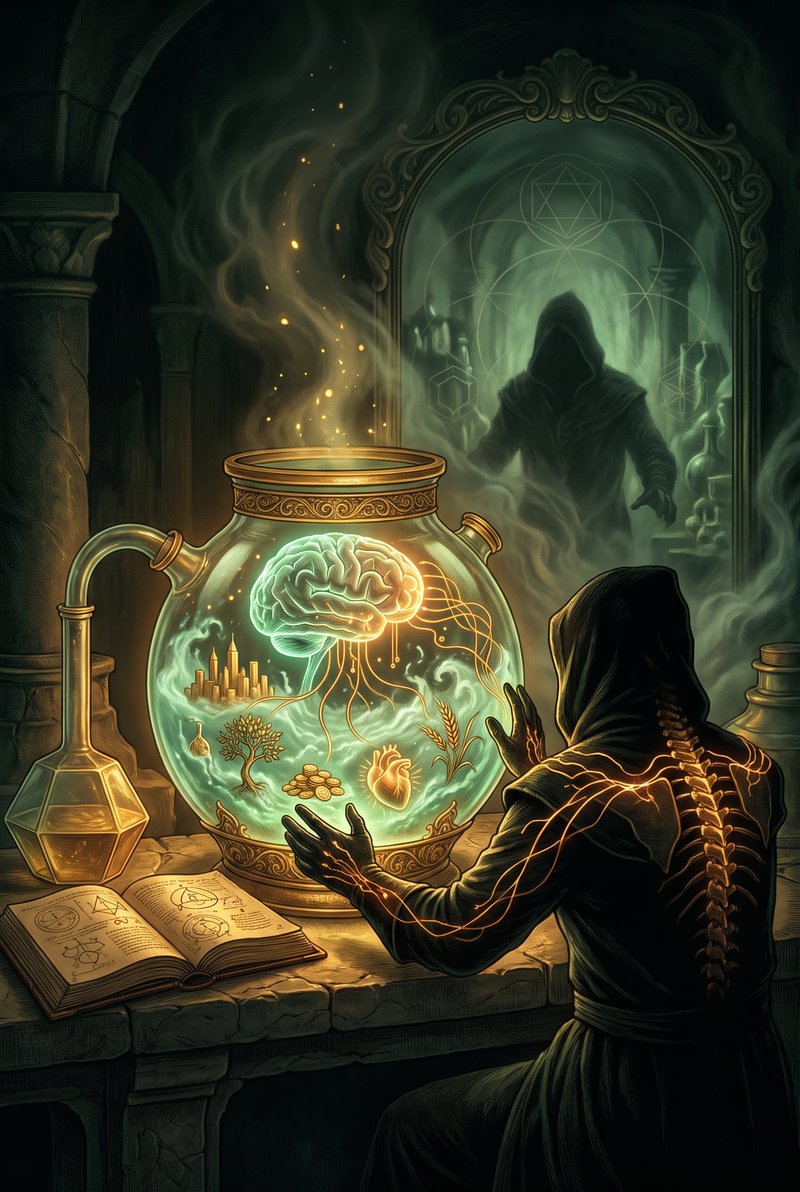
Spirit represents the immaterial, divine essence within every human being that serves as the bridge between individual consciousness and universal creative power. In esoteric philosophy, Spirit is not merely a religious concept but a practical metaphysical reality that enables the manifestation of desires through elevated feeling and spiritual understanding. This divine aspect of our being operates beyond the limitations of physical matter and rational thought, connecting us directly to the source of all creation.
The concept of Spirit has ancient roots spanning multiple wisdom traditions, from the pneuma of Greek philosophy to the ruach of Hebrew mysticism. In New Thought and modern metaphysical teachings, particularly as articulated by Neville Goddard, Spirit becomes the active agent through which imagination and feeling transform into physical reality. This understanding moves beyond traditional religious interpretations to present Spirit as a practical tool for conscious creation and personal transformation.
Different esoteric traditions emphasize various aspects of Spirit's operation. Hermetic philosophy views Spirit as the animating principle that bridges the mental and physical planes, while New Thought treats it as the divine substance from which all manifestation emerges. Christian mystics identify Spirit with the Christ within, the divine presence that enables miraculous transformation. Despite varying terminologies, these traditions converge on Spirit's role as the intermediary between divine will and material expression.
Spirit's relationship to other metaphysical concepts reveals its central importance in esoteric practice. It works intimately with consciousness to direct creative power, utilizes feeling as its primary mode of expression, and operates through imagination to shape reality. Spirit transforms mere desire into lived experience by infusing mental images with divine authority and emotional conviction. Understanding Spirit provides the foundation for all effective metaphysical work, as it represents the actual mechanism through which thought becomes form.
For the modern spiritual seeker, grasping the nature of Spirit offers liberation from limiting beliefs about personal power and creative potential. When we recognize Spirit as our true identity rather than the physical body or personality, we access unlimited resources for transformation and manifestation. This understanding shifts spiritual practice from pleading with an external deity to claiming our inherent divine authority, making us conscious participants in the ongoing creation of reality rather than passive recipients of circumstance.
What the Teachers Say
Spirit vs. Matter
While Spirit represents the immaterial divine essence and creative principle, Matter constitutes the physical manifestation and form through which Spirit expresses itself. Understanding their relationship reveals how the invisible becomes visible through consciousness.
| Aspect | Spirit | Matter |
|---|---|---|
| Nature | Immaterial divine essence and creative principle | Physical substance and tangible form |
| Primary Quality | Consciousness and thought as fundamental reality | Extension and resistance in space |
| Function | Creates and animates all manifestation | Provides form and structure for expression |
| Limitations | Unlimited by space, time, or physical laws | Bound by physical laws and temporal existence |
| Relationship to Human | Our true identity and divine nature | The vehicle through which we experience reality |
Etymology
The word Spirit derives from the Latin spiritus, meaning "breath" or "breathing," which itself comes from the verb spirare, "to breathe." This etymology reveals the ancient understanding of Spirit as the vital breath that animates life, connecting the seen and unseen worlds. In Hebrew scripture, the corresponding term ruach similarly means both "breath" and "spirit," emphasizing the life-giving aspect of divine presence.
Throughout history, the meaning of Spirit has evolved from its original association with breath and wind to encompass the immaterial essence of being itself. Early Christian theology developed the concept further, distinguishing between soul (psyche) and spirit (pneuma), with Spirit representing the highest aspect of human nature capable of divine communion. In modern metaphysical thought, Spirit has become synonymous with our divine nature and creative power, representing not just a part of us but our truest identity.
How to Practice This
To work consciously with Spirit, begin by recognizing it as your true identity rather than something you possess. During meditation or prayer, shift your attention from thinking about Spirit to identifying as Spirit, feeling yourself as the divine presence animating your physical form. When approaching any desire or goal, connect first with this spiritual identity, allowing your human personality to step aside and let Spirit direct the manifestation process through elevated feeling and inner knowing.
Practically apply Spirit's power by infusing your daily activities with spiritual awareness and intention. Before important conversations, decisions, or creative endeavors, pause to consciously align with Spirit, asking not "What should I do?" but "What would Spirit do through me?" Use your breath as a gateway to Spirit consciousness, breathing deeply while affirming your divine nature. When facing challenges, remember that Spirit operates beyond physical limitations, accessing solutions and resources invisible to the rational mind alone.
Connection to Manifestation
Spirit serves as the actual creative mechanism through which thoughts and feelings become physical reality in manifestation work. When we identify as Spirit rather than the physical personality, we access unlimited creative power beyond material limitations. Spirit transforms mental images into lived experience by infusing them with divine authority and elevated feeling, making conscious manifestation possible. Understanding Spirit as our true identity shifts manifestation from hopeful wishing to confident knowing, as we recognize ourselves as the very power that creates reality.
Frequently Asked Questions
In New Thought philosophy, Spirit typically refers to the universal divine essence or God, while soul often describes the individual expression of that universal Spirit. Spirit is the one divine consciousness within which all exists, whereas soul represents our personal aspect of that infinite awareness.
Connect with Spirit by shifting from thinking about it to identifying as it, recognizing Spirit as your true nature rather than something separate. Use breath awareness, meditation, and conscious alignment with divine will throughout daily activities. Practice seeing through Spirit's eyes rather than the personality's limited perspective.
Spirit is the actual creative power behind all manifestation, not just a helper but the very mechanism through which thought becomes form. When you identify as Spirit and feel from that divine identity, you access unlimited creative potential beyond physical limitations.
Troward taught that unlike matter which is characterized by form and limitation, Spirit's essential nature is pure Thought or consciousness itself. This makes Spirit the creative principle that shapes reality through the power of conscious awareness and directed thinking.
Yes, in New Thought, Spirit is understood as God, the universal divine consciousness or Creative Intelligence. Spirit represents God not as a separate being but as the infinite presence within all existence, the Self-Knowing One that is both transcendent and immanent.
In the Source Texts (12)
…that which the illumined souls mean when they reverently pronounce the word: "~SPIRIT~!"…
Moral and spiritual greatness is possible only to those who are above the competitive battle for existence; and only those who are becoming rich on the plan…
…e of the Hermetists, and who have claimed that they did not manifest the proper spirit in their policy of seclusion and reticence. But a moment's glance back over the pages of history will show the wisdom of the Masters, who k…
Explore Further

Used by: Charles F. Haanel, T. Troward, Troward
The Master Key Experience
The books teach the law.
The Experience trains it.
A 24-week guided journey through the laws of mind: weekly gates, lessons drawn from the texts in this library, and a living companion that remembers you.
Begin the ExperienceFree · Begin without an account