
Table of ContentsNona Lovell Brooks
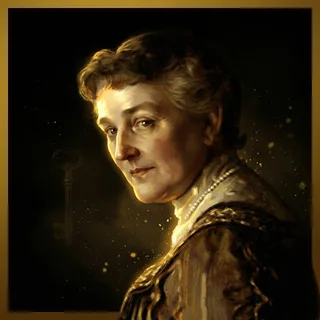
Nona Lovell Brooks
Last updated: September 4, 2026
Nona Lovell Brooks forged Divine Science into a distinct, practical path for realizing the omnipresent, all-powerful God within, making spiritual truth accessible for daily living.
Lived
1861 – 1945
Nationality
American
Tradition
New Thought
Known For
Short Lessons in Divine Science (1928), Mysteries (1924), The Prayer That Never Fails (pamphlet)
Tone
Light-Leaning2 / 6
Divine Science founder; Omnipresence of God teaching. Pastoral and gentle.
Why Brooks Matters
Nona Lovell Brooks is crucial because she translated the abstract principles of New Thought into a structured, accessible, and deeply practical spiritual discipline. As a co-founder of Divine Science, she not only articulated its core tenets but also established a robust organizational framework, including churches and an ordination process, that allowed countless individuals to engage with and apply these transformative ideas. Her work empowered women in spiritual leadership and provided a clear methodology for affirmative prayer and healing, cementing Divine Science as a significant and enduring branch of the New Thought movement.
Start Here: The Reading Path
- Mysteries1924This work delves into the deeper spiritual truths of Divine Science, exploring the nature of God, humanity, and the universe. It is less a 'how-to' and more a foundational text for understanding the philosophical underpinnings.Read this to grasp the metaphysical framework before moving to more practical applications. It sets the stage for understanding the 'why' behind the practices.
- Short Lessons in Divine Science1928A concise and practical guide, this book distills the core teachings of Divine Science into easily digestible lessons. It covers topics like the nature of God, man, prayer, and healing, offering direct applications for daily life.This is your practical handbook. Read it with a notebook, ready to apply the principles. It's excellent for daily study and reflection.
Core Ideas in 60 Seconds
- God is Absolute, Omnipresent Principle, not a distant deity.God is understood as the one, undivided, all-encompassing Mind, Principle, and Substance of the universe, present everywhere and in everything.Divine Mind
- Humanity is inherently divine, an individualized expression of God.Each individual is a perfect spiritual being, a 'Son of God,' possessing all divine attributes in potential, and is not separate from the Universal Mind.Christ Consciousness
- Thought is creative and manifests reality.Our thoughts, words, and beliefs, when aligned with Divine Principle, are the instruments through which we consciously create our experiences and conditions.Manifestation
- Affirmative Prayer is a declaration of realized truth, not a petition.Prayer is the conscious alignment with and affirmation of the already-existing divine perfection, rather than asking for something that is not present.Affirmative Prayer
- Healing is the realization of perfect spiritual being.Sickness and discord are seen as mental beliefs or misconceptions, and healing occurs through the conscious recognition and affirmation of one's inherent spiritual perfection and wholeness.Healing
Major Works
| Title | Year | What It Teaches | Best For |
|---|---|---|---|
| Mysteries | 1924 | Explores the metaphysical foundations of Divine Science, delving into the nature of God, man, and the universe. | Those seeking a deeper, more philosophical understanding of Divine Science principles. |
| Short Lessons in Divine Science | 1928 | Offers practical, concise lessons on applying Divine Science principles to daily life, covering prayer, healing, and spiritual understanding. | Beginners and those looking for a practical, accessible guide to applying New Thought in their lives. |
| The Prayer That Never Fails | Focuses specifically on the nature and efficacy of affirmative prayer within the Divine Science tradition. | Anyone interested in mastering the art of affirmative prayer and understanding its underlying metaphysics. |
Lineage & Influence
Influenced By
Brooks was significantly influenced by Emma Curtis Hopkins, a prominent 'teacher of teachers' in the New Thought movement, through Hopkins' student, Kate Bingham, who introduced Brooks to these transformative ideas.
Influenced
Brooks profoundly influenced the entire Divine Science movement, shaping its theological framework, organizational structure, and practical application, establishing it as a distinct and enduring denomination.
Parallel Thinkers
Her work shares common ground with Charles & Myrtle Fillmore of Unity, and Ernest Holmes of Religious Science, all of whom developed distinct New Thought denominations emphasizing the creative power of thought and the omnipresence of God.
The Story
Born in 1861, Nona Lovell Brooks' life took a pivotal turn after experiencing a profound healing through the teachings of Kate Bingham, a student of the influential New Thought teacher Emma Curtis Hopkins. This transformative experience ignited in Brooks a lifelong dedication to understanding and disseminating these spiritual truths. Recognizing the need for a structured approach to these powerful ideas, she, along with her sisters, co-founded the Divine Science movement. Brooks became the minister of the First Divine Science Church in Denver, a role she held for over four decades, during which she meticulously developed the theological and practical aspects of Divine Science, establishing it as a distinct and recognized metaphysical denomination with its own educational and ordination standards. Her tireless work ensured that the principles of Divine Science were not only understood but also practically applied by countless individuals seeking spiritual growth and healing.
In Their Own Words
God is all there is. There is no other presence, no other power.
Short Lessons in Divine Science
The soul of man is the individualized expression of the One Soul, God.
Mysteries
Prayer is not a petition to a distant God, but a conscious recognition and affirmation of the omnipresent good.
The Prayer That Never Fails
Frequently Asked Questions
What is Divine Science and how is it different from other New Thought groups?
Divine Science, largely shaped by Nona Lovell Brooks, emphasizes the absolute omnipresence and perfection of God as the only reality. It differentiates itself through its specific theological language and structured approach to affirmative prayer and healing, often focusing on the 'I Am' principle and the inherent divinity of humanity, distinct from the more eclectic approaches of some other New Thought traditions.
Did Nona Lovell Brooks believe in a personal God?
Brooks taught that God is an impersonal, omnipresent Principle and Mind, rather than a personal, anthropomorphic deity. However, she also affirmed that this Principle is intimately accessible and responsive to individual consciousness, making it 'personal' in its application to one's life, though not in its essential nature.
How did Nona Lovell Brooks contribute to women's leadership in spirituality?
Nona Lovell Brooks was a pioneering figure, establishing and leading a major American metaphysical denomination at a time when leadership roles for women in religious organizations were rare. Her long tenure as a minister and her role in structuring Divine Science provided a powerful example and pathway for other women to assume spiritual authority and leadership.
Explore Further
The Master Key Experience
The books teach the law.
The Experience trains it.
A 24-week guided journey through the laws of mind: weekly gates, lessons drawn from the texts in this library, and a living companion that remembers you.
Begin the ExperienceFree · Begin without an account