
The Doré Lectures
You have been told thought creates, and you have felt nothing move. Troward stands at the gallery lectern and traces the single law behind cosmos and self, then hands you the method for bending it toward your own life. What he withholds is where the law stops being universal and becomes yours.
This Book Is: Spirituality · Creative Power · Thought
Chapters




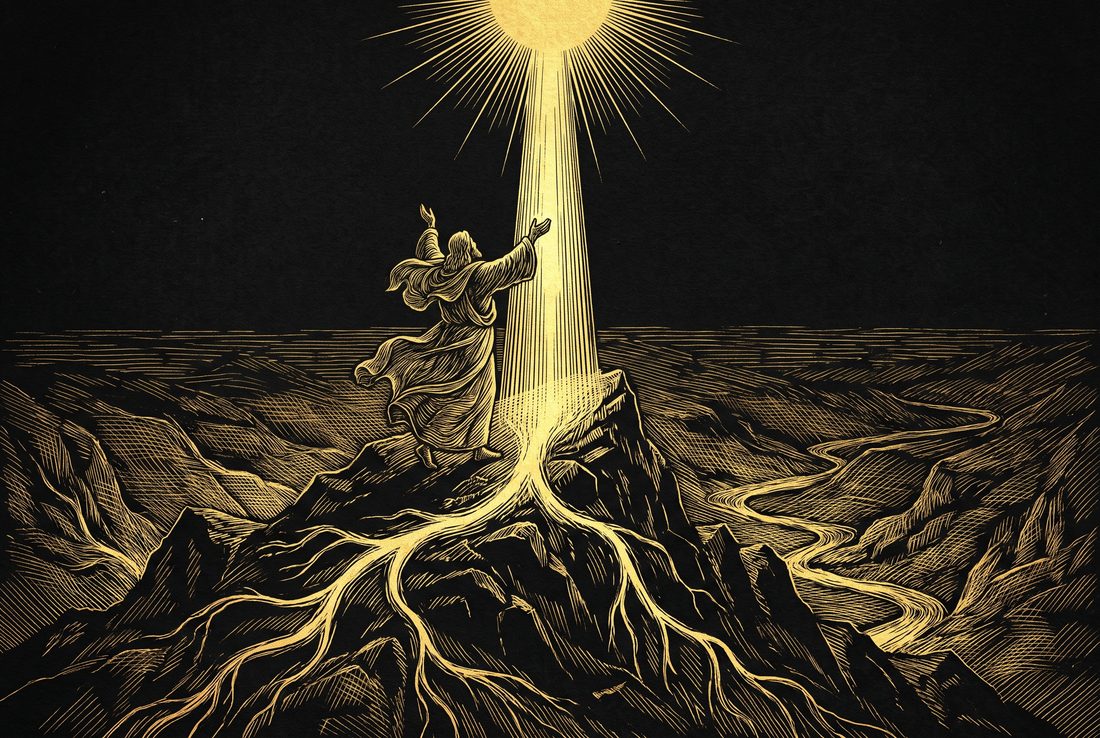
Thought, in its creative capacity, is the key to understanding the universe and our place within it.
About This Book
There is a question most spiritual inquiry never quite arrives at: not whether a Universal Spirit exists, but why it would need you specifically. Troward begins here, at the point where most teachers stop. These lectures, delivered at London's Doré Gallery at the height of the New Thought movement, propose that the Infinite did not create individual consciousness as an afterthought or a limitation. It created individual consciousness as its method. The reader who grasps this distinction will find that everything else in these pages follows from it with an almost mathematical precision.
Troward moves through scripture the way an engineer moves through blueprints, not devotionally but structurally. Eden becomes a diagram of how consciousness separates from its source in order to know itself. Christ becomes not a historical figure to be believed in but a principle to be understood: the law of the universal fulfilling itself through the particular. Alpha and Omega collapse into a single arc of causation. What emerges is not theology but a working model of creation, one in which thought is not a reflection of reality but the mechanism by which reality is continuously produced.
These twelve addresses are short, dense, and deceptively quiet. Troward does not persuade. He demonstrates. Each lecture builds on the last with the careful progression of someone who knows that the reader's own thinking, once properly oriented, will do the rest of the work. For those familiar with the New Thought tradition, this is Troward at his most concentrated. For those encountering him for the first time, it is worth knowing that figures like Ernest Holmes and Genevieve Behrend traced their understanding back to these pages. The door is narrow, but it opens onto a very large room.
More like this
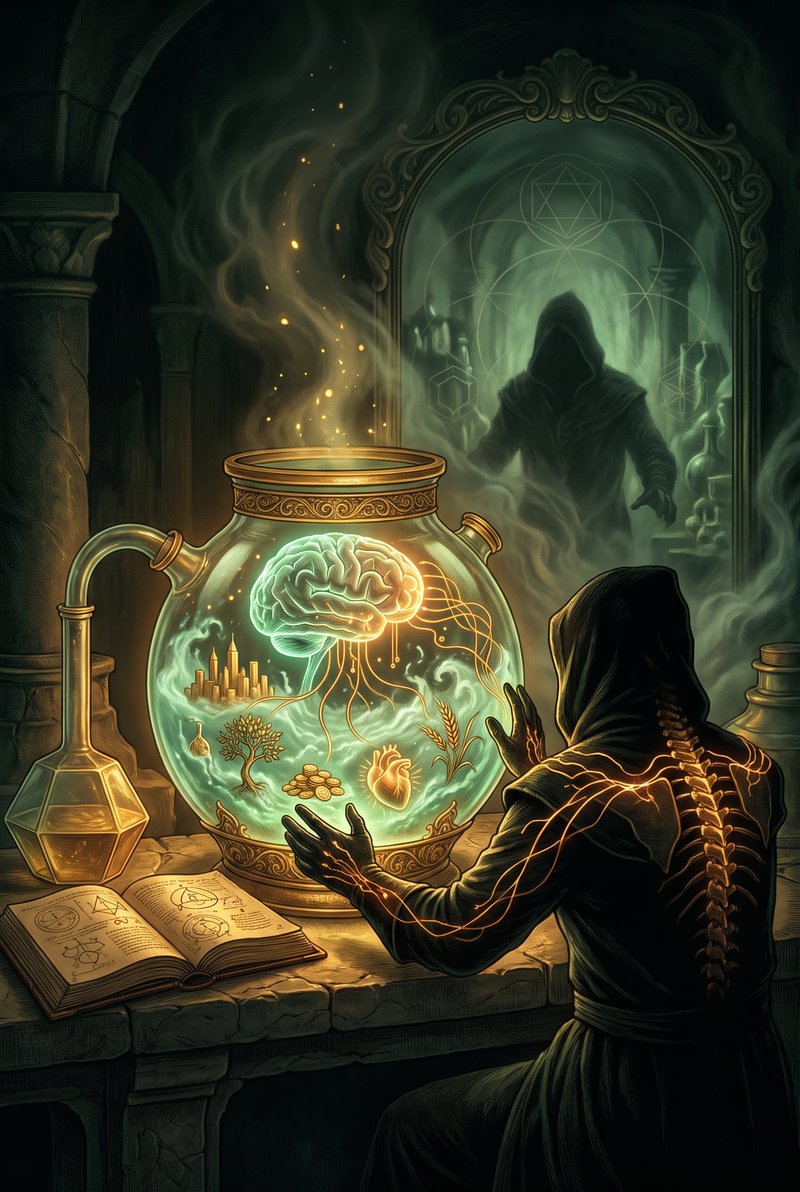
Mental Chemistry
1922 · 45 min read
You suspect your circumstances answer to something inside you, and Haanel agrees: conditions are chemistry, thought the reagent that fixes them. He hands you the equations. Whether you dare to run them on your own life is the part he leaves in your hands.
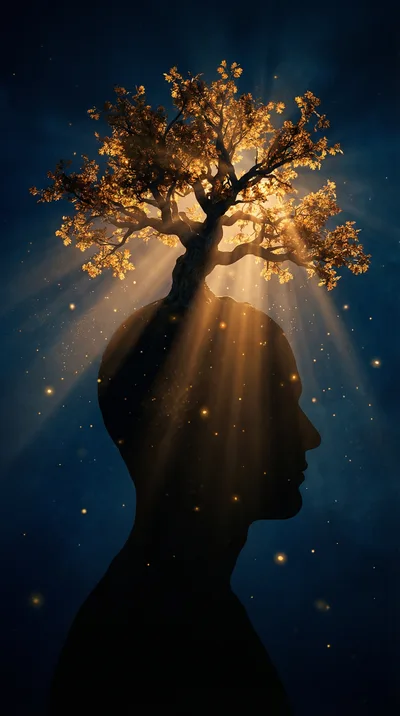
As a Man Thinketh
1903 · 33 min read
You blame the circumstance. Allen turns you toward the seed that grew it. Every condition you call fate began as a thought you never questioned, and he will show you the garden before he hands you the tools to tend it.

Feeling Is The Secret
1944 · 27 min read
You already know what you want. What you have not been told is the single feeling that hands it to you. Inside is the mechanism behind the visible world, and the one door you pass through nightly without noticing you hold the key.
The Master Key Experience
The books teach the law.
The Experience trains it.
A 24-week guided journey through the laws of mind: weekly gates, lessons drawn from the texts in this library, and a living companion that remembers you.
Begin the ExperienceFree · Begin without an account